The Theft That Made the Mona Lisa Immortal
On a quiet Monday in 1911, a Renaissance masterpiece simply vanished from the walls of the Louvre — and its absence made it more famous than its presence ever had.
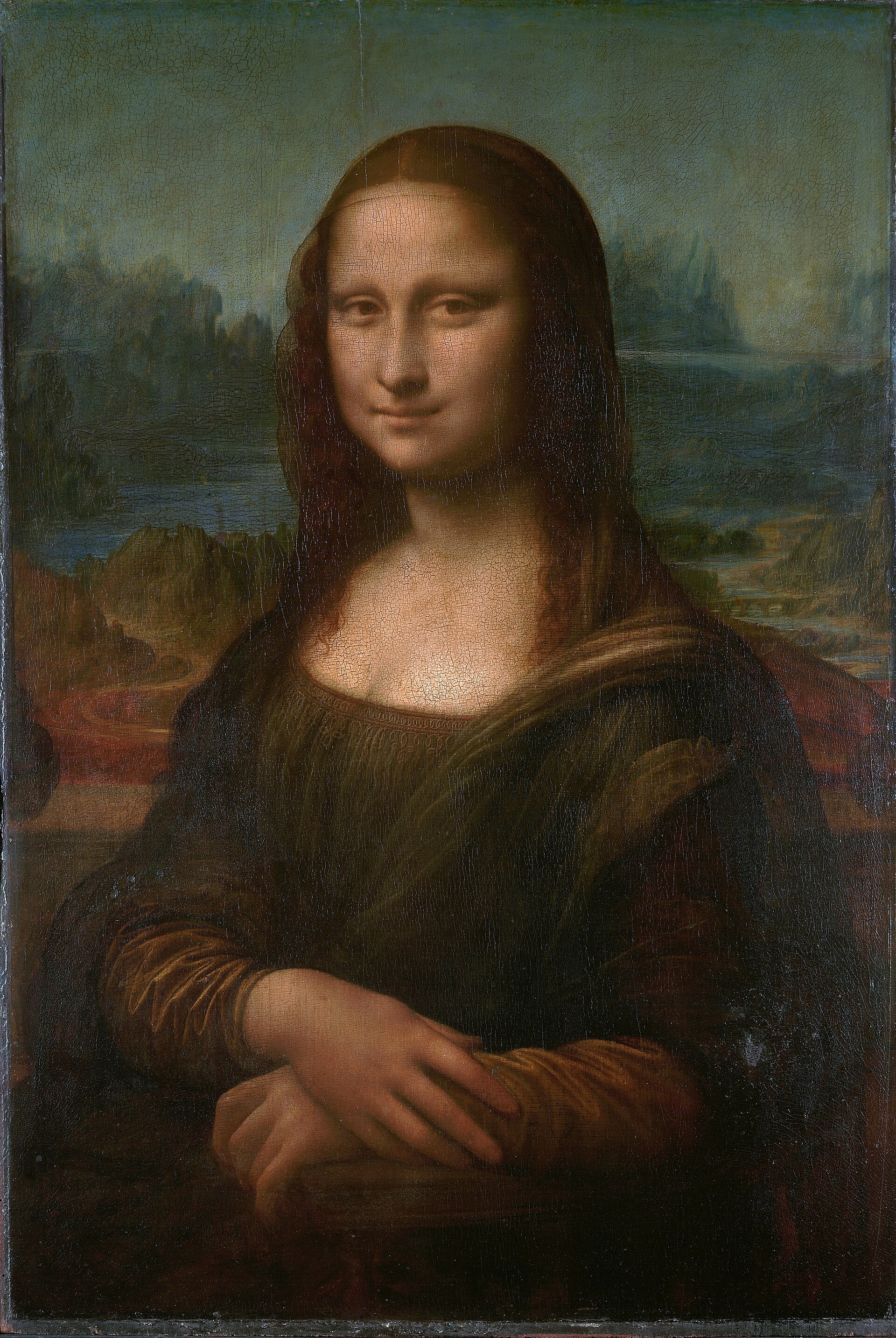
For over a century, the Mona Lisa had hung in the Louvre as one painting among thousands, admired by connoisseurs but hardly a household name. That changed on a Monday morning in August 1911, when museum staff noticed a blank space on the wall where Leonardo da Vinci's portrait should have been. At first, some assumed it had simply been taken away for photography, a routine occurrence in the museum's daily operations. It took until the next day for officials to realize the painting was actually gone.
The thief was Vincenzo Peruggia, an Italian handyman who had once worked at the Louvre and knew its layout intimately. He attributed his actions to Italian patriotism, believing the painting — created by an Italian master — rightfully belonged to Italy rather than France. King Francis I of France had acquired the Mona Lisa after Leonardo's death in 1519, and it had become the property of the French Republic, normally on display at the Louvre since 1797, making Peruggia's claim a direct challenge to more than a century of French custodianship.
The theft itself was almost absurdly simple. Peruggia's familiarity with the museum's routines allowed him to remove the painting from its frame and walk out largely unnoticed. The scale of the crime, however, was anything but small — this was one of the most audacious art thefts in history, and the Louvre's failure to prevent it became a public scandal.
Investigators pursued numerous leads in the aftermath, and the disappearance became a sensation across Europe. Newspapers speculated wildly, and the empty space on the Louvre's wall drew curious crowds who came specifically to see where the painting used to hang. The mystery of the missing masterpiece captured public imagination in a way the painting itself, while celebrated among experts, had never quite managed.
Peruggia kept the painting hidden for more than two years. His motive of returning it to Italian soil eventually led to his undoing: in 1913, he attempted to sell the Mona Lisa to a Florentine art dealer, believing he was performing a patriotic act by bringing it back to Italy. This attempt led directly to his capture, and the painting was recovered in 1914 after its long absence.
More from Art

The Painting With No Foreground
A single robed figure stares out at an empty grey sea — and the emptiness itself became a scandal. When it was unveiled in Berlin in 1810, no one knew quite what to do with it.

The Painter Who Chased the Light
For a few purple minutes each evening, an American exile knelt in an English garden and raced the dying sun to paint two little girls lighting lanterns. It took him two years to finish.

When a President Became a God
Look straight up inside the U.S. Capitol dome and you will find George Washington enthroned among the clouds, surrounded by goddesses — the founding father transformed into myth.

Marble Brought Back to Life
A corpse asleep, a wing barely brushing her skin — and marble somehow learns to breathe. This is the moment Antonio Canova dared to carve.

The World Turned Upside Down
Look closely at a sixteenth-century Flemish village and you'll find a man biting a pillar, another carrying daylight in a basket, and a wife slipping a blue cloak over her husband's shoulders. Every gesture is a joke — if you know the language.

The Girl in the Glass Case
She stood two-thirds life size, dressed in a real tutu and human hair — and the critics who saw her in 1881 recoiled as if she were something obscene.