The Woman Who Waited 30,000 Years
A railway crew digging through the Austrian earth in 1908 struck something no one expected — a palm-sized woman carved before the last Ice Age peaked.
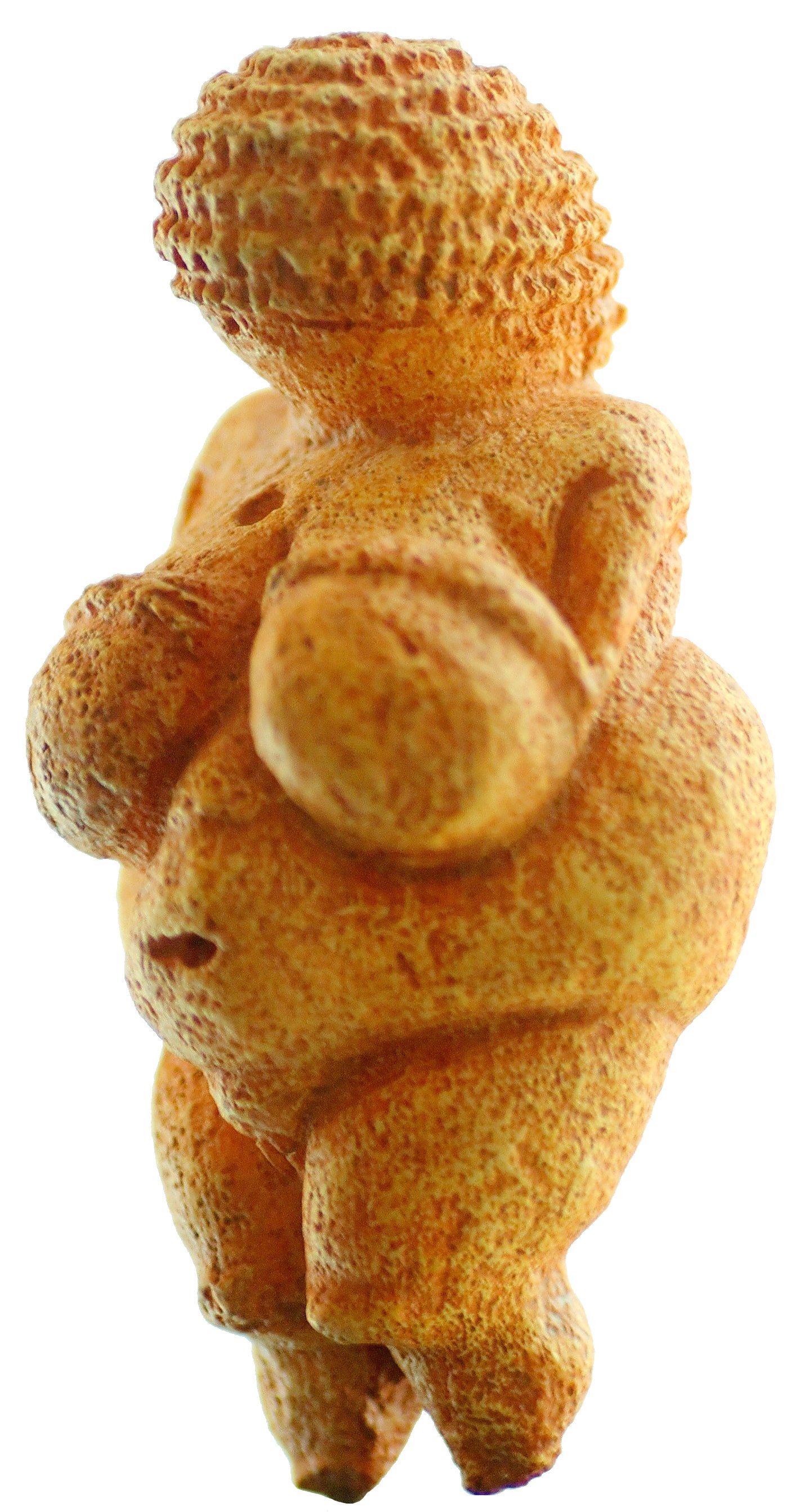
On 7 August 1908, near the village of Willendorf in Lower Austria, a workman named Johann Veran or Josef Veram was helping excavate a Paleolithic site when he uncovered a small limestone figure. Archaeologists Josef Szombathy, Hugo Obermaier, and Josef Bayer were overseeing the dig, and what emerged from the soil that day would become one of the most recognizable objects from deep prehistory: an 11.1-centimetre-tall statuette of a nude woman, tinted with red ochre.
The figure is carved from oolitic limestone, a stone not found locally, meaning the material — or the finished object — had traveled some distance before it was buried. Research published in 2022 traced the most likely source to the far side of the Alps, near Lake Garda in northern Italy, though a more distant possibility points to a site in eastern Ukraine, some 1,600 kilometres away — a location closer to sites in southern Russia where similarly styled figurines have turned up. Either origin implies that Paleolithic people or their objects moved across surprising distances.
Dating places the figurine within the Gravettian industry, a Upper Paleolithic culture spanning roughly 33,000 to 20,000 years ago. Radiocarbon dates from the surrounding soil layers suggest the statuette was left in the ground around 30,000 years ago, making it one of the oldest surviving examples of figurative art.
Her body is unmistakable in its emphasis: large breasts, wide hips, and a pronounced vulva, while her face is entirely absent — replaced by circular horizontal bands that might represent plaited hair or some kind of headdress. She likely had no feet and could not have stood upright on her own, though she may have been pegged into soft ground for display or ritual use.
The traditional term for such carvings — 'Venus figurine' — is more metaphor than history. These objects predate the Roman goddess Venus by tens of thousands of years, and some scholars prefer to call this piece simply the Woman of Willendorf, avoiding the classical baggage the nickname carries.
More from Art

The Painting With No Foreground
A single robed figure stares out at an empty grey sea — and the emptiness itself became a scandal. When it was unveiled in Berlin in 1810, no one knew quite what to do with it.

The Painter Who Chased the Light
For a few purple minutes each evening, an American exile knelt in an English garden and raced the dying sun to paint two little girls lighting lanterns. It took him two years to finish.

When a President Became a God
Look straight up inside the U.S. Capitol dome and you will find George Washington enthroned among the clouds, surrounded by goddesses — the founding father transformed into myth.

Marble Brought Back to Life
A corpse asleep, a wing barely brushing her skin — and marble somehow learns to breathe. This is the moment Antonio Canova dared to carve.

The World Turned Upside Down
Look closely at a sixteenth-century Flemish village and you'll find a man biting a pillar, another carrying daylight in a basket, and a wife slipping a blue cloak over her husband's shoulders. Every gesture is a joke — if you know the language.

The Girl in the Glass Case
She stood two-thirds life size, dressed in a real tutu and human hair — and the critics who saw her in 1881 recoiled as if she were something obscene.