Cibola: The Youngest County Named for an Old Legend
Its name once lured conquistadors chasing seven cities paved in gold — today it belongs to a quiet, young county carved out of the New Mexico desert only in 1981.
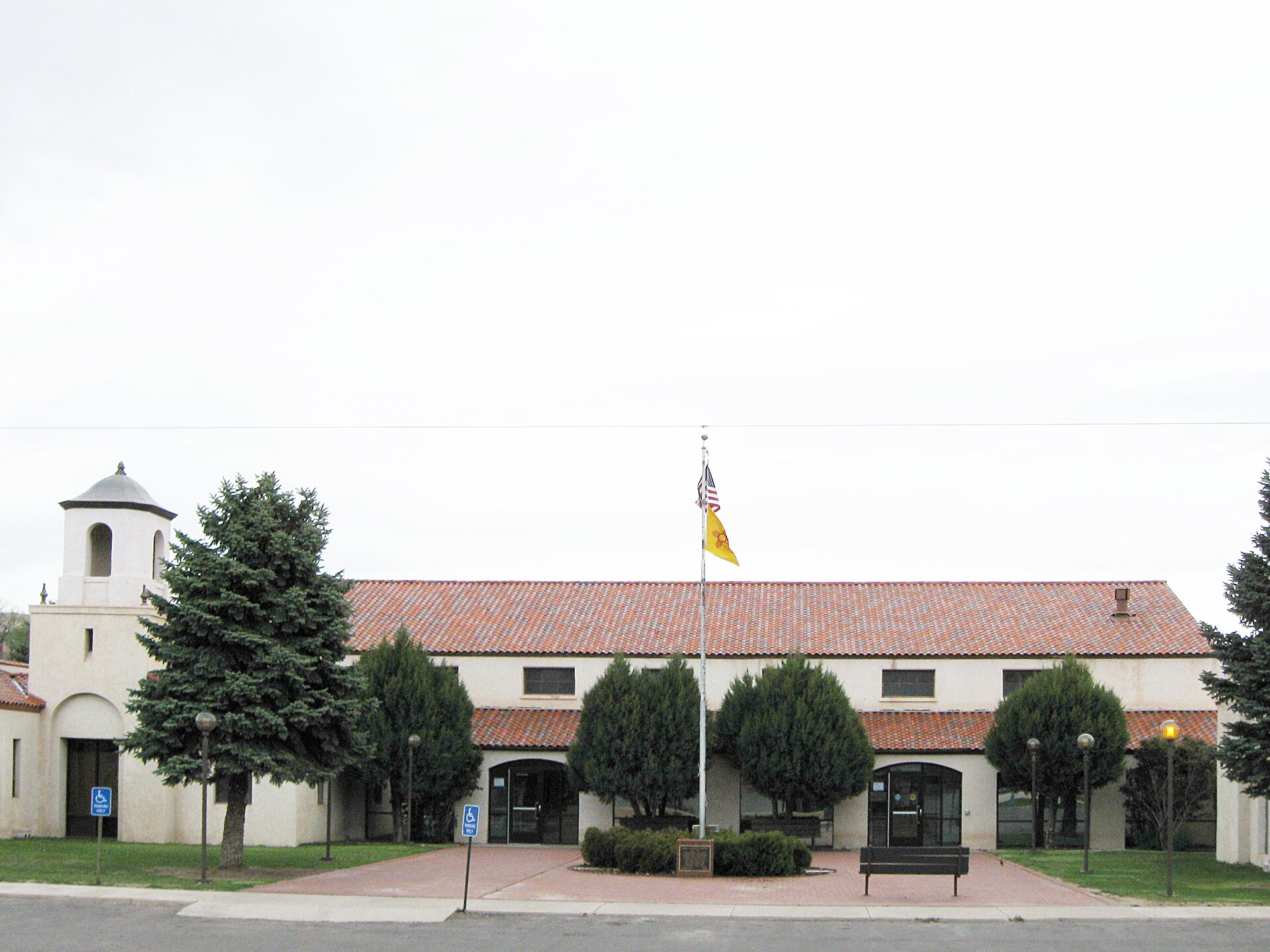
Cibola County is, by American standards, remarkably new. It was created on June 19, 1981, carved from the westernmost four-fifths of what had been a much larger Valencia County. That makes it New Mexico's youngest county and the third youngest in the entire United States — a modern administrative boundary drawn across land that had been settled and storied for centuries before any survey line touched it.
The county seat is Grants, a small city that anchors what statisticians call the Grants Micropolitan Statistical Area. As of the 2020 census, Cibola County had 27,172 residents, a population that has held remarkably steady since 2000, when it stood at 25,595, and 2010, when it was 27,213. Growth here has been less about numbers swelling and more about a community holding its ground.
Geographically, Cibola County covers 4,542 square miles, almost all of it land, with just a sliver — 2.3 square miles — given to water. It borders McKinley County to the north, Sandoval and Bernalillo counties to the northeast and east, Valencia County to the east, Socorro County to the southeast, Catron County to the south, and even reaches across the state line to touch Apache County, Arizona, on the west.
Within its borders lie several protected landscapes that hint at the region's raw, volcanic beauty: part of the Cibola National Forest, the El Malpais National Conservation Area, El Malpais National Monument, and El Morro National Monument. These are lands of lava flows and sandstone bluffs, the kind of terrain that has always demanded respect from anyone crossing it.
The people of Cibola County reflect a deep and layered heritage. In the 2020 census, the most commonly reported ancestries were Navajo (14.9%), Mexican (14.5%), Pueblo of Laguna (13.2%), and Pueblo of Acoma (11.6%), followed by Spanish, English, German, Irish, and Scottish roots. The racial composition told a similar story: 45% American Indian and Alaska Native, 29.7% White, and 31.8% identifying as Hispanic or Latino of any race — a population whose lineages stretch back long before the county itself existed.
More from Treasures

The Legend of the Nazi Gold Train
Somewhere beneath the hills of Poland, rumor insists, a train loaded with looted treasure vanished into a tunnel and was never seen again. The story survives because the plunder behind it was terrifyingly real.

The Treasure List Carved in Copper
While every other Dead Sea Scroll was written on parchment or papyrus, one was hammered into metal — a list of buried gold and silver that no one has ever found.

The Diamond That Vanished for a Century
For decades, treasure hunters and novelists spun theories about a lost 137-carat gem — sold, recut, melted into legend. It was sitting in a Quebec bank vault the entire time.

Gold, Ghosts, and the Mountain That Keeps Its Secret
For over a century, treasure hunters have vanished into a jagged Arizona range chasing a fortune that may never have existed at all. What they left behind was not gold, but one of America's most enduring legends.

The King Who Buried a River
When Rome finally cornered the Dacian king, it wasn't a sword that gave up his secret — it was a traitor's whisper about a riverbed.

The Fortune Dutch Schultz Took to His Grave
He asked New York's mob bosses for permission to kill a federal prosecutor — and when they said no, he disobeyed them anyway. It was a decision that would end his life and leave behind a fortune that has never been found.