The Treasure List Carved in Copper
While every other Dead Sea Scroll was written on parchment or papyrus, one was hammered into metal — a list of buried gold and silver that no one has ever found.

On March 14, 1952, at the back of Cave 3 near Khirbet Qumran, archaeologists made a discovery unlike anything else they had pulled from the Judean desert. Most of the Dead Sea Scrolls had been found by Bedouins and were made of parchment or papyrus, but this one was different in every way: two corroded rolls of copper, mixed with about one percent tin, so brittle after centuries of oxidation that they could not be unrolled by hand. It was the fifteenth and last scroll recovered from that cave, and so it earned the catalog name 3Q15 — the Copper Scroll.
Because the metal could not simply be uncoiled like leather, the Jordanian government, on the recommendation of archaeologist John Marco Allegro, shipped the scroll to Manchester University's College of Technology in England. There, in 1955 and 1956, Professor H. Wright Baker carefully cut the sheets into 23 curved strips, finally revealing that the two rolls were actually one continuous document, originally about 2.4 metres long. Allegro, who supervised the cutting, transcribed the exposed text immediately, eager to know what secret had been worth engraving in metal rather than writing on skin.
What emerged was not scripture, poetry, or commentary like the other Qumran scrolls. It was a list — 64 locations describing where quantities of gold and silver, along with other valuable items, were buried or hidden. Nothing like it existed among the rest of the Dead Sea Scrolls collection, and nothing like the treasure it described has ever been recovered.
The scroll's language added to its strangeness. Its Hebrew resembled Mishnaic Hebrew far more than the literary Hebrew used in the Bible or in the other Qumran texts, meaning scholars struggled to translate vocabulary that appears nowhere else in ancient writing. Its orthography and letter forms were unusual too, likely shaped by the physical act of hammering and chiseling words into copper rather than writing with ink on parchment. Strangely, seven of the location names are followed by clusters of two or three Greek letters, which some researchers believe represent numerical values — and the structure of its 'clauses' echoes inventory lists known from Greek temple archives, such as those from the Temple of Apollo.
The scroll's official publication became a tangle of competing claims. Józef Milik was originally assigned to edit the text and at first suspected it was Essene folklore rather than a real historical record. He later reversed himself, concluding the scroll wasn't a product of the Qumran community at all — it was found deeper in the cave, separated from the other scrolls, suggesting it had been deposited at a different time. Meanwhile, in 1957 and again later, Jordanian antiquities officials pushed Allegro to publish before Milik did; Allegro released his own edition with hand-drawn transcriptions in 1960, and Milik followed with his official edition in 1962, though its accompanying photographs were nearly unreadable.
More from Treasures

The Legend of the Nazi Gold Train
Somewhere beneath the hills of Poland, rumor insists, a train loaded with looted treasure vanished into a tunnel and was never seen again. The story survives because the plunder behind it was terrifyingly real.

The Diamond That Vanished for a Century
For decades, treasure hunters and novelists spun theories about a lost 137-carat gem — sold, recut, melted into legend. It was sitting in a Quebec bank vault the entire time.

Gold, Ghosts, and the Mountain That Keeps Its Secret
For over a century, treasure hunters have vanished into a jagged Arizona range chasing a fortune that may never have existed at all. What they left behind was not gold, but one of America's most enduring legends.

The King Who Buried a River
When Rome finally cornered the Dacian king, it wasn't a sword that gave up his secret — it was a traitor's whisper about a riverbed.

The Fortune Dutch Schultz Took to His Grave
He asked New York's mob bosses for permission to kill a federal prosecutor — and when they said no, he disobeyed them anyway. It was a decision that would end his life and leave behind a fortune that has never been found.
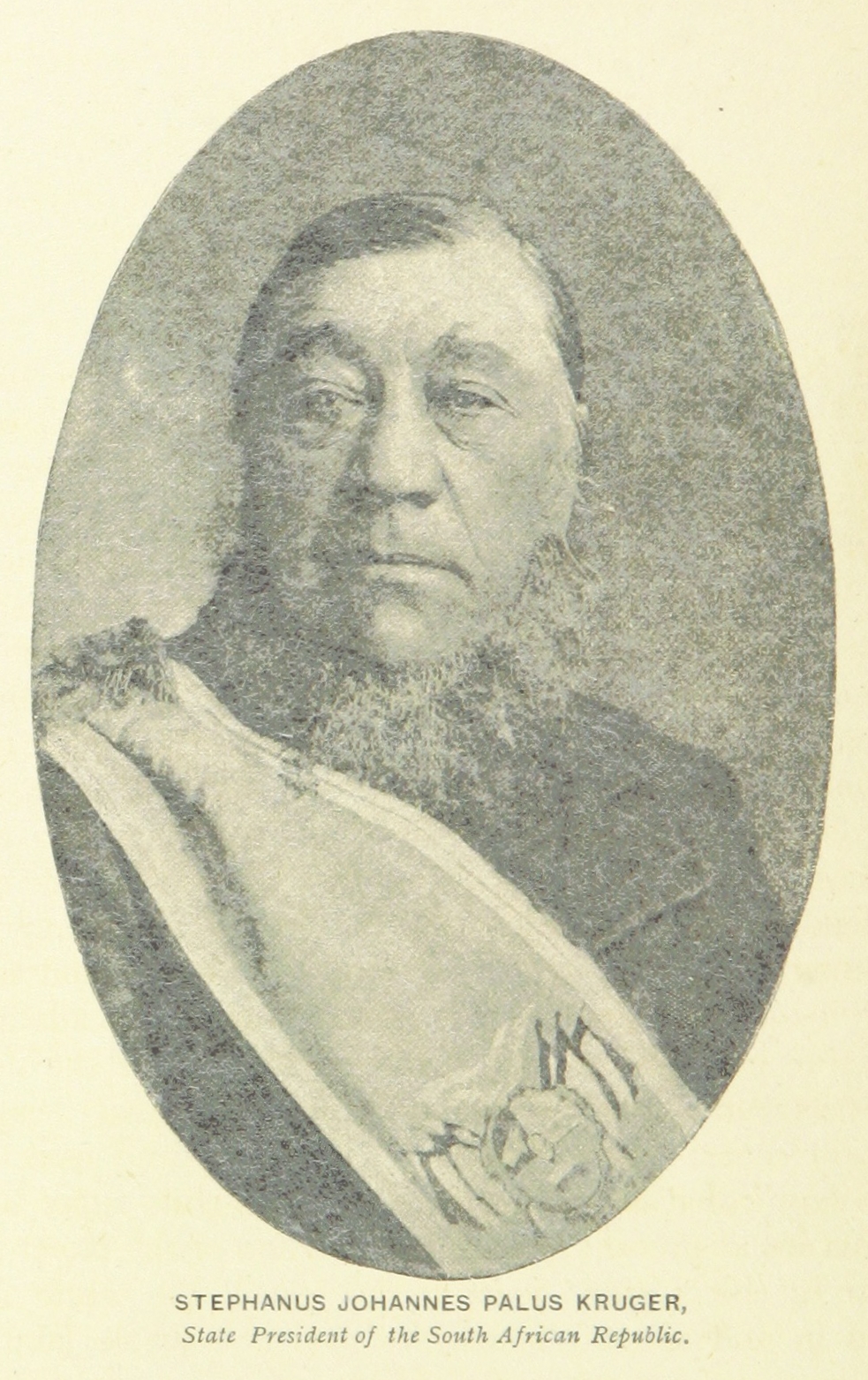
The Vanishing Gold of President Kruger
As British troops marched on Pretoria in 1900, wagons of gold vanished from the capital's streets in broad daylight — and more than a century later, no one can fully account for where it all went.