The Vanishing Gold of President Kruger
As British troops marched on Pretoria in 1900, wagons of gold vanished from the capital's streets in broad daylight — and more than a century later, no one can fully account for where it all went.
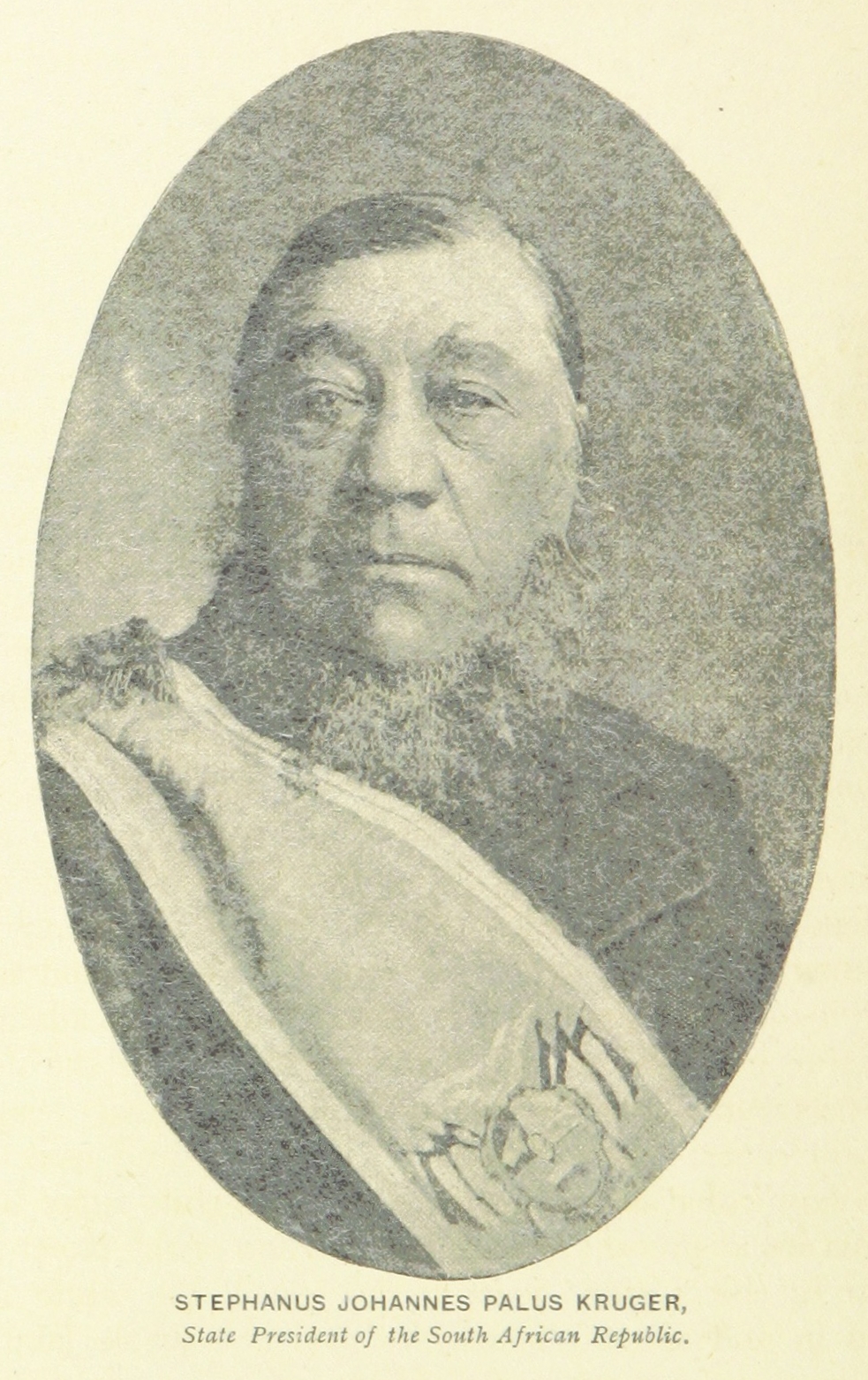
On 29 May 1900, with British forces closing in on Pretoria, President Paul Kruger and his government abandoned the capital for Middelburg. Before he left, Kruger ordered his Attorney General, Jan Smuts, to empty the Mint and the National Bank of their gold reserves so none of it would fall into British hands.
Smuts moved quickly. On 4 June, with enemy troops already at Six Mile Spruit just outside the city, he arrived at the Mint before 9am, met with Jules Perrin, the Head of the Mint, and Thomas Hugo of the National Bank, and ordered every ounce of gold weighed, recorded, and readied for shipment. Locals would later recall wooden boxes loaded onto wagons and hauled the 500 metres from the Mint on Church Square to Pretoria's train station around noon that day.
That afternoon, the train left on the Delagoa Bay Railway — the only line still under Z.A.R. control. The gold rode in the baggage compartment while Ernest Meyer, Master of the Mint, travelled with an armed guard of four to eight men in the passenger car. The train reached Middelburg at 2am the next morning. Meyer stayed on managing the gold, settling debts, until 17 July 1900, when Commandant General Meindert Noome took over the books.
Noome kept a meticulous diary. In it, he recorded that on 31 August 1900, 62 cases of gold were handed to a German trading firm, Wilken and Ackerman, in Lourenço Marques (modern Maputo). The firm credited the Z.A.R. government the full value and, in return, supplied Boer forces with vital provisions — including 44,000 bags of flour.
But the numbers never quite lined up. Smuts recorded roughly 100,000 ponds sent to Middelburg, worth about 750,000 pond, or 170,000 ounces. When the British finally entered Pretoria on 5 June and stormed the Mint, they found it stripped bare — yet their own wartime records claimed the Z.A.R. had confiscated gold worth £2.4 million, some 542,500 ounces, from at least ten mines since October 1899. Historian Hedley Chilvers put the total value of the gold bars at £2 million, approximately 480,769 ounces, or 1,202 bars — including 457 bars, some 183,138 ounces, traced to specific Witwatersrand mines like Robinson and Ferreira.
More from Treasures

The Legend of the Nazi Gold Train
Somewhere beneath the hills of Poland, rumor insists, a train loaded with looted treasure vanished into a tunnel and was never seen again. The story survives because the plunder behind it was terrifyingly real.

The Treasure List Carved in Copper
While every other Dead Sea Scroll was written on parchment or papyrus, one was hammered into metal — a list of buried gold and silver that no one has ever found.

The Diamond That Vanished for a Century
For decades, treasure hunters and novelists spun theories about a lost 137-carat gem — sold, recut, melted into legend. It was sitting in a Quebec bank vault the entire time.

Gold, Ghosts, and the Mountain That Keeps Its Secret
For over a century, treasure hunters have vanished into a jagged Arizona range chasing a fortune that may never have existed at all. What they left behind was not gold, but one of America's most enduring legends.

The King Who Buried a River
When Rome finally cornered the Dacian king, it wasn't a sword that gave up his secret — it was a traitor's whisper about a riverbed.

The Fortune Dutch Schultz Took to His Grave
He asked New York's mob bosses for permission to kill a federal prosecutor — and when they said no, he disobeyed them anyway. It was a decision that would end his life and leave behind a fortune that has never been found.