The Fortune Dutch Schultz Took to His Grave
He asked New York's mob bosses for permission to kill a federal prosecutor — and when they said no, he disobeyed them anyway. It was a decision that would end his life and leave behind a fortune that has never been found.

On a night in October 1935, a group of gunmen walked into the Palace Chop House, a modest restaurant in Newark, New Jersey, and shot Arthur 'Dutch' Schultz. He died the next day, October 24, 1935. It was an ending fitting for a man who had clawed his way up from a fatherless childhood in the Bronx to become one of the most feared racketeers in Prohibition-era New York — and it left behind a legend of hidden riches that has never been resolved.
Schultz was born Arthur Simon Flegenheimer on August 6, 1901, the son of German Jewish immigrants Herman and Emma Flegenheimer. His father apparently abandoned the family, an event that traumatized him deeply; for the rest of his life he denied it had happened at all. He left school after the eighth grade to help support his mother and younger sister, working as a feeder and pressman for companies including Schultz Trucking, whose name he would later borrow as his own.
His criminal path began with robbing craps games and burglary, which landed him in the prison on Blackwell's Island at eighteen. He proved so unmanageable that he was transferred to a work farm in Westhampton, escaped, was recaptured, and had two months added to his sentence. Paroled in December 1920, he returned to Schultz Trucking just as Prohibition and the Volstead Act turned the company into an operation smuggling liquor from Canada.
It was through bootlegging that 'Dutch Schultz' was born. Working as a bouncer at Joey Noe's Bronx speakeasy, the Hub Social Club, Schultz impressed Noe with his reputation for brutality and was made a partner. Together they built a beer-running empire, using their own trucks and beer supplied by Frankie Dunn, a brewer in Union City, New Jersey, and violently absorbed rival bootleggers — including a notorious episode in which they kidnapped a competitor, Joe Rock, tortured him, and left him blind shortly after his release. The Noe-Schultz gang soon controlled bootlegging across the Bronx and became wealthy beyond anything either man had known.
Success bred war. As the gang pushed into Manhattan, it clashed with Jack 'Legs' Diamond's Irish mob. In October 1928, Noe was shot outside a Manhattan speakeasy and died weeks later from his wounds, a loss that left Schultz angry and distraught. Retaliation followed: crime boss Arnold Rothstein was shot dead days later, a killing widely believed to have been ordered by Schultz in revenge, though another man was charged and later cleared. Two years afterward, Diamond himself was shot and wounded in a Manhattan hotel.
More from Treasures

The Legend of the Nazi Gold Train
Somewhere beneath the hills of Poland, rumor insists, a train loaded with looted treasure vanished into a tunnel and was never seen again. The story survives because the plunder behind it was terrifyingly real.

The Treasure List Carved in Copper
While every other Dead Sea Scroll was written on parchment or papyrus, one was hammered into metal — a list of buried gold and silver that no one has ever found.

The Diamond That Vanished for a Century
For decades, treasure hunters and novelists spun theories about a lost 137-carat gem — sold, recut, melted into legend. It was sitting in a Quebec bank vault the entire time.

Gold, Ghosts, and the Mountain That Keeps Its Secret
For over a century, treasure hunters have vanished into a jagged Arizona range chasing a fortune that may never have existed at all. What they left behind was not gold, but one of America's most enduring legends.

The King Who Buried a River
When Rome finally cornered the Dacian king, it wasn't a sword that gave up his secret — it was a traitor's whisper about a riverbed.
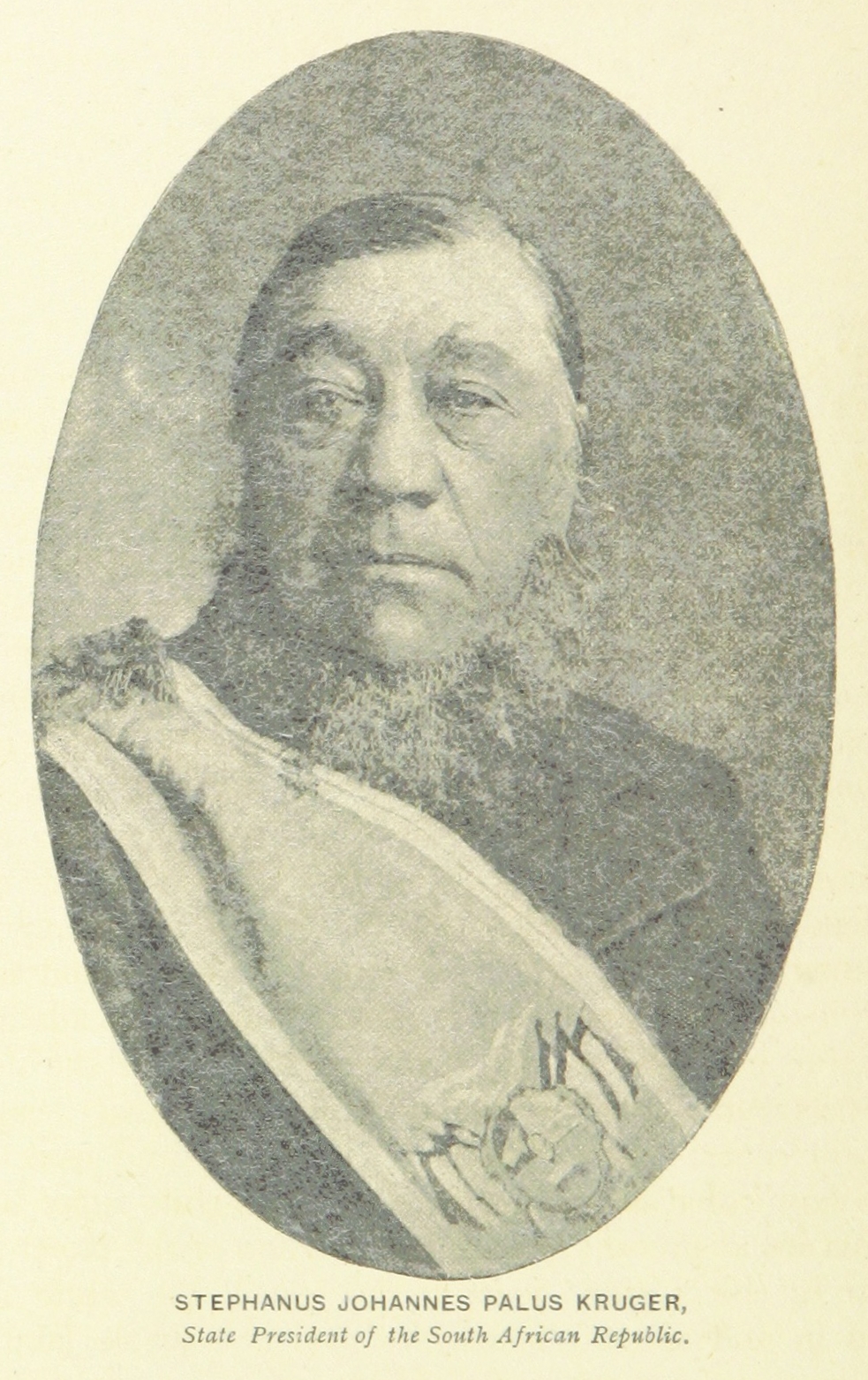
The Vanishing Gold of President Kruger
As British troops marched on Pretoria in 1900, wagons of gold vanished from the capital's streets in broad daylight — and more than a century later, no one can fully account for where it all went.