The Legend of the Nazi Gold Train
Somewhere beneath the hills of Poland, rumor insists, a train loaded with looted treasure vanished into a tunnel and was never seen again. The story survives because the plunder behind it was terrifyingly real.

For decades, locals near the Polish town where the rumor took root have spoken of a train that disappeared into the earth in the war's final months, its wagons supposedly stuffed with gold, jewels, and art stolen by the Third Reich. No document has ever proven such a train existed at that spot, yet the legend refuses to die — because everyone knows the Nazis really did move mountains of stolen wealth across Europe, and hiding it in tunnels was exactly the kind of thing that happened elsewhere.
The roots of the story lie in a much larger, well-documented enterprise: the systematic plunder that Nazi Germany carried out across occupied Europe. The looting of Jewish property was a central pillar of the Holocaust itself, with Jews in every occupied country stripped of homes, businesses, artworks, financial assets, even household furnishings through organizations built solely for that purpose.
Adolf Hitler, an artist rejected by the Vienna Academy of Fine Arts, saw himself as a connoisseur and used his power as chancellor from 1933 to impose his taste on an entire nation. He denounced modern art — Cubism, Futurism, Dadaism — as 'degenerate,' had it purged from German state museums, and planned to use the proceeds to build a great European Art Museum in Linz. Meanwhile, deputies like Hermann Göring and Joachim von Ribbentrop used the machinery of conquest to build private collections of staggering size.
To manage this on an industrial scale, the regime created dedicated looting organizations. The most infamous, the Einsatzstab Reichsleiter Rosenberg (ERR), formed in 1940 under Alfred Rosenberg and run day-to-day by Gerhard Utikal, began by seizing Jewish and Freemasonic books and documents. By late 1940, under Göring's influence, its mission expanded to seizing entire Jewish-owned art collections, funneled through the Jeu de Paume museum in Paris, where art dealer Bruno Lohse staged exhibitions for Göring to pick through — he chose at least 594 pieces for himself. Under Rosenberg and Göring, the ERR seized 21,903 art objects from occupied countries.
Other units followed the same pattern: the Dienststelle Mühlmann worked the Netherlands and Belgium, the Sonderkommando Künsberg operated in France, Russia, and North Africa. Beyond outright seizure, Switzerland became what one recovery commission called a 'magnet' for looted assets, hosting both public auctions — like the notorious 1939 'degenerate art' sale in Lucerne — and countless private sales that let dealers and collectors absorb stolen works quietly, far from occupied soil.
More from Treasures

The Treasure List Carved in Copper
While every other Dead Sea Scroll was written on parchment or papyrus, one was hammered into metal — a list of buried gold and silver that no one has ever found.

The Diamond That Vanished for a Century
For decades, treasure hunters and novelists spun theories about a lost 137-carat gem — sold, recut, melted into legend. It was sitting in a Quebec bank vault the entire time.

Gold, Ghosts, and the Mountain That Keeps Its Secret
For over a century, treasure hunters have vanished into a jagged Arizona range chasing a fortune that may never have existed at all. What they left behind was not gold, but one of America's most enduring legends.

The King Who Buried a River
When Rome finally cornered the Dacian king, it wasn't a sword that gave up his secret — it was a traitor's whisper about a riverbed.

The Fortune Dutch Schultz Took to His Grave
He asked New York's mob bosses for permission to kill a federal prosecutor — and when they said no, he disobeyed them anyway. It was a decision that would end his life and leave behind a fortune that has never been found.
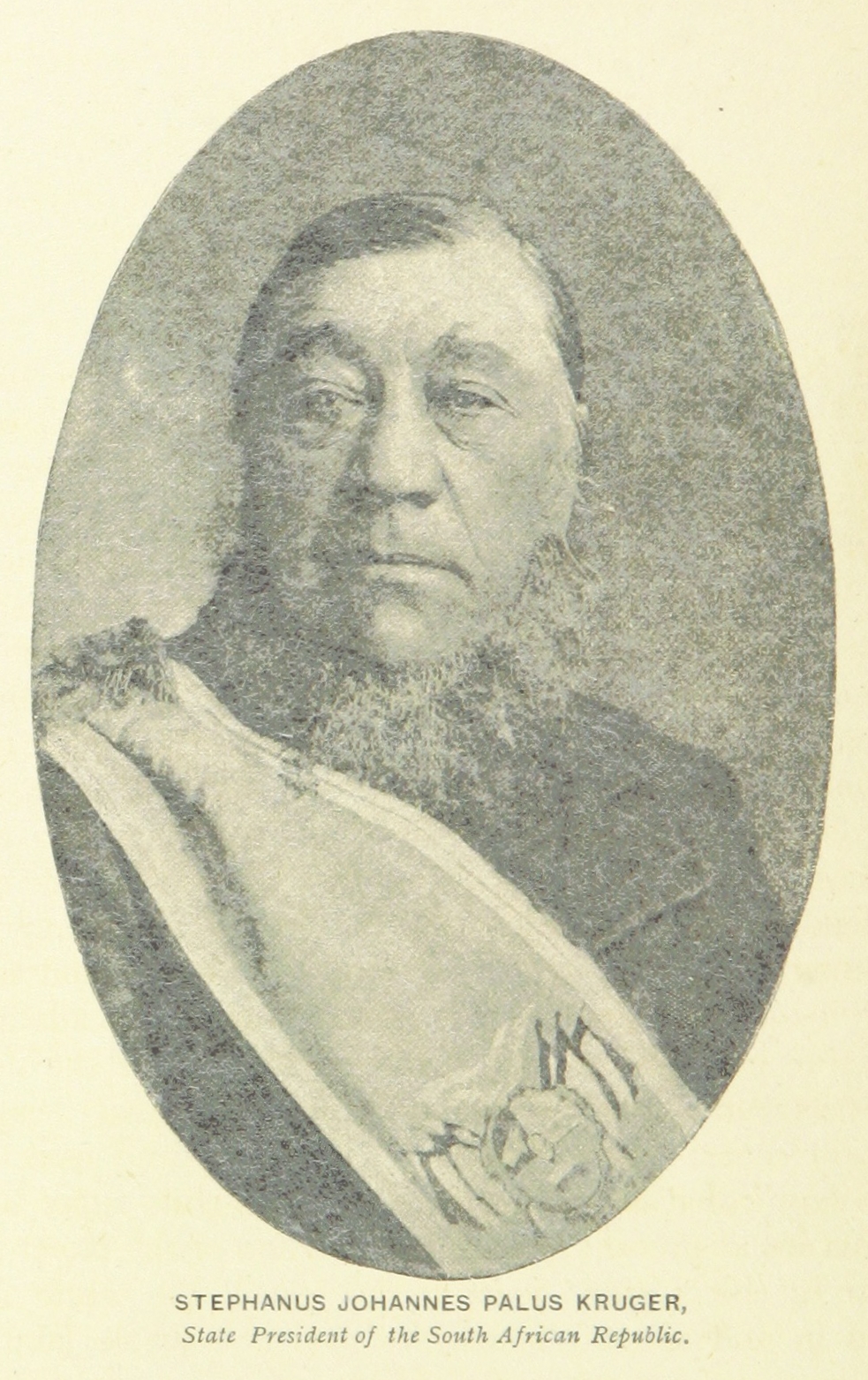
The Vanishing Gold of President Kruger
As British troops marched on Pretoria in 1900, wagons of gold vanished from the capital's streets in broad daylight — and more than a century later, no one can fully account for where it all went.