Gold, Ghosts, and the Mountain That Keeps Its Secret
For over a century, treasure hunters have vanished into a jagged Arizona range chasing a fortune that may never have existed at all. What they left behind was not gold, but one of America's most enduring legends.

East of Phoenix, near the town of Apache Junction, the Superstition Mountains rise in a jumble of cliffs and ravines that have swallowed searchers whole. Since at least 1892, people have combed these slopes looking for a hidden gold mine, and some estimates put the number of annual seekers as high as 9,000. Several have died in the attempt. The mountains themselves seem to have earned their name honestly, guarding whatever truth lies beneath their rock with the indifference of stone.
The legend takes its name from Jacob Waltz, a German immigrant born around 1810 who died in 1891. Waltz was known as 'the Dutchman,' a common American mistranslation of 'Deutsch' rather than any reference to the Netherlands. According to the story, Waltz discovered a rich gold mine somewhere in the Superstitions and told no one its exact location before he died, leaving behind only rumor and longing.
Arizona historian Byrd Granger, writing in 1977, noted that the Lost Dutchman's story had been printed or cited at least six times more often than two other famous American treasure tales — the legend of Captain Kidd's buried gold and the Lost Pegleg mine of California. Granger catalogued 62 variants of the story, some differing only in small details, others painting an entirely different picture of what happened in those mountains.
The Superstition legend is not the only 'Lost Dutchman' story in the American West. Writer Robert Blair identified at least four such tales, including ones set in Colorado and California, with two in Arizona alone. The earliest Arizona version predates Waltz's mine and centers on Wickenburg, about 180 kilometers (110 miles) northwest of the Superstitions, where a 'Dutchman' was reportedly found dead in the desert in the 1870s beside saddlebags full of gold. Blair suggested that fragments of that older tale may have drifted into the story that later attached itself to Waltz.
Granger identified three threads woven into the fullest versions of the legend: tales of lost Apache gold tied to a Dr. Thorne, tales of the Lost Dutchman himself, and stories of a lost gold vein discovered by soldiers. In the Apache gold strand, a family named Peralta is said to have mined gold in the Superstitions before being wiped out by Apaches around 1850, an event known as the Peralta Massacre. Years later, a physician called Dr. Thorne allegedly treated a wounded Apache and was rewarded with a blindfolded journey to a secret, gold-rich site — allowed to carry out as much ore as he could, then blindfolded again on the way out, never able to find his way back.
More from Treasures

The Legend of the Nazi Gold Train
Somewhere beneath the hills of Poland, rumor insists, a train loaded with looted treasure vanished into a tunnel and was never seen again. The story survives because the plunder behind it was terrifyingly real.

The Treasure List Carved in Copper
While every other Dead Sea Scroll was written on parchment or papyrus, one was hammered into metal — a list of buried gold and silver that no one has ever found.

The Diamond That Vanished for a Century
For decades, treasure hunters and novelists spun theories about a lost 137-carat gem — sold, recut, melted into legend. It was sitting in a Quebec bank vault the entire time.

The King Who Buried a River
When Rome finally cornered the Dacian king, it wasn't a sword that gave up his secret — it was a traitor's whisper about a riverbed.

The Fortune Dutch Schultz Took to His Grave
He asked New York's mob bosses for permission to kill a federal prosecutor — and when they said no, he disobeyed them anyway. It was a decision that would end his life and leave behind a fortune that has never been found.
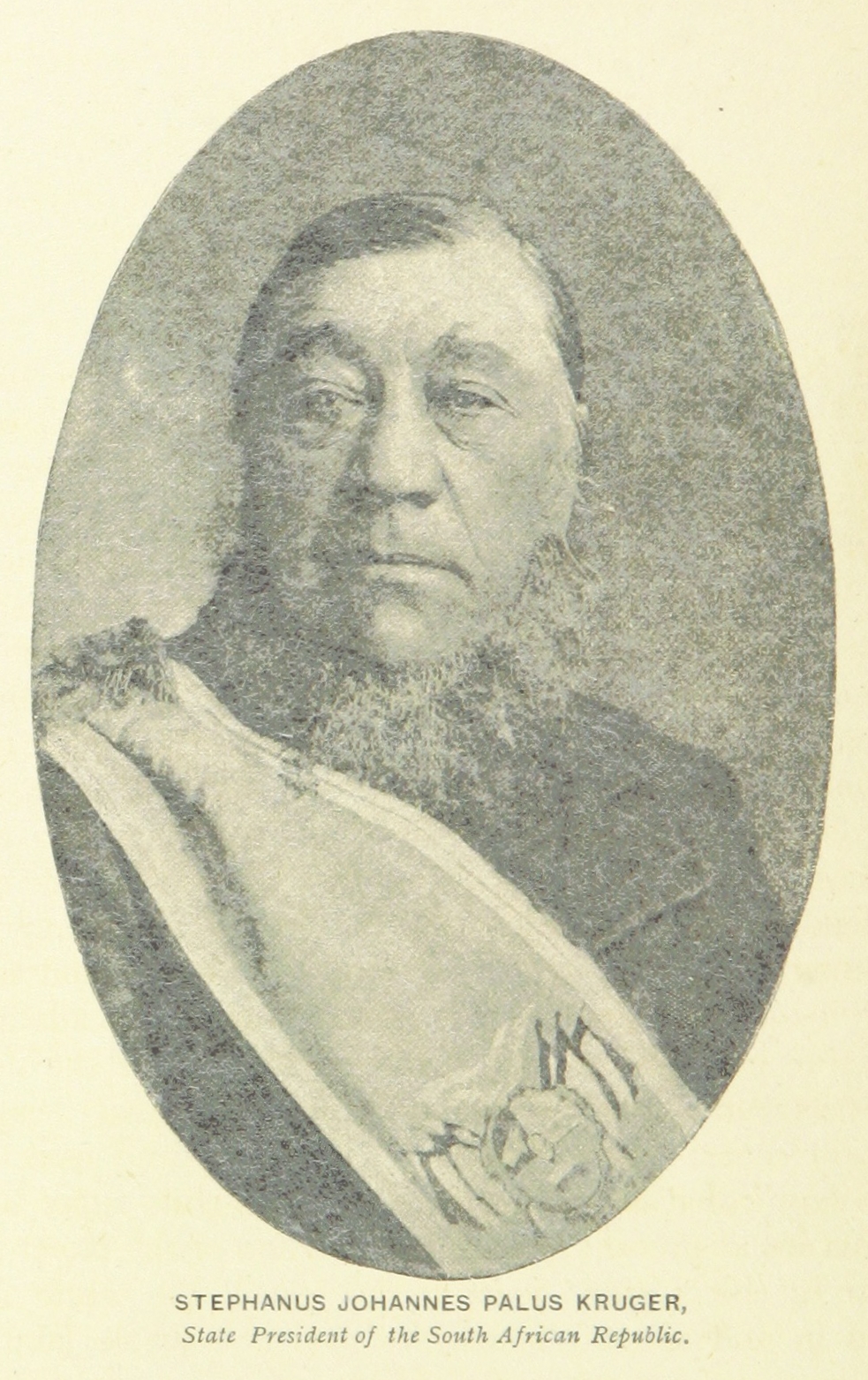
The Vanishing Gold of President Kruger
As British troops marched on Pretoria in 1900, wagons of gold vanished from the capital's streets in broad daylight — and more than a century later, no one can fully account for where it all went.