Neuschwanstein: The Castle Built for a Ghost
A king who despised his own palace built the most famous fairy-tale castle on earth — and died before he ever truly lived in it.

High above a gorge in the Bavarian Alps, where the Pöllat stream cuts through rock and the Alpsee and Schwansee lakes glitter below, rises a tower that seems to belong more to legend than to history. This is Neuschwanstein, standing 65 metres tall — according to Guinness World Records, the tallest castle in the world. Yet its story begins not with conquest or defense, but with a young king's longing to escape.
That king was Ludwig II of Bavaria, who grew up nearby at Hohenschwangau Castle, the neo-Gothic summer residence his father, Maximilian II, had built atop the ruins of the old Schwanstein Castle after buying the site in 1832. As a boy, Ludwig roamed the crumbling remains of two other medieval fortresses on the ridge above — Vorderhohenschwangau and Hinterhohenschwangau — and sketched one of them in his diary in 1859. Those broken towers would haunt his imagination for the rest of his life.
When Ludwig ascended the throne in 1864, he inherited the vast Munich Residenz, one of the most extensive palace complexes in the world. But he felt suffocated by the constraints of court life in the capital. He dreamed instead of a private refuge in the mountains — a place shaped by his devotion to the Middle Ages and to the composer Richard Wagner, whose operas Tannhäuser and Lohengrin had left a lasting mark on him.
Two journeys in 1867 sharpened his vision. In May, he visited the reconstructed Wartburg near Eisenach, the legendary setting of the Sängerkrieg and the backdrop to Wagner's Tannhäuser. In July, he traveled to the Château de Pierrefonds in France, where architect Eugène Viollet-le-Duc was turning a ruined fortress into a historicist palace for Napoleon III. Ludwig saw in both buildings a Romantic vision of the medieval past fused with Wagnerian myth.
The death of his grandfather, King Ludwig I, in February 1868 freed up funds once spent on the retired monarch's appanage, giving Ludwig II the means to act. That May, he wrote to Wagner of his intention to rebuild the old ruin near the Pöllat Gorge 'in the authentic style of the old German knights' castles,' confessing he was already looking forward to living there. Construction began in 1869, based on plans by Eduard Riedel, rising in the Neo-Romanesque style with medieval knights' castles as its model — its throne room, bedroom, and minstrels' hall among its most striking spaces.
More from Architecture

Stonehenge: The Stones That Refuse to Explain Themselves
For more than 4,500 years, a ring of leaning giants has watched the sun rise and set on the same two days each year — and no one alive can say for certain why.

The Dome That Refused to Fall
Two thousand years ago, Roman engineers poured a dome so vast that no one has dared build a bigger one from unreinforced concrete since. It still stands, open to the sky.

A Minaret Rising Over Kingsland Road
On a busy London street better known for shops and buses, the tallest minaret in Britain quietly reaches into the sky. Its story began not in Sinan's sixteenth-century Istanbul, but in 1990s Hackney.

The Bridge That Was Killed Twice
For 427 years it arched over the Neretva like a stone rainbow. Then, in a matter of days in 1993, it simply ceased to exist.

Hoover Dam: The Concrete That Tamed a River
In the scorched depths of Black Canyon, thousands of men built the largest concrete structure the world had ever seen — and finished it two years early, at a cost of over a hundred lives.
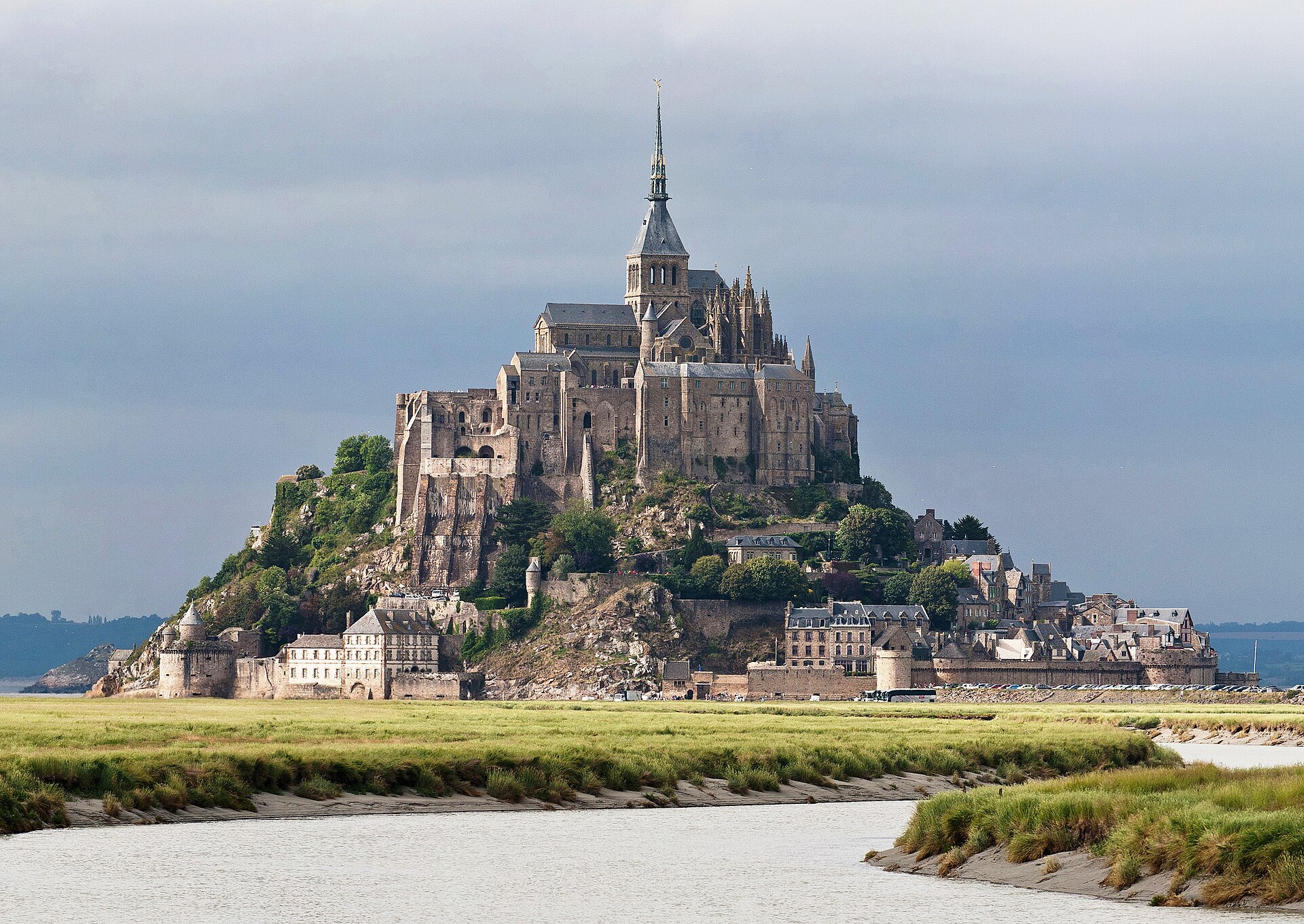
The Rock That Refused to Drown
Twice a day, the sea swallows the causeway whole — and for over a thousand years, that fact alone kept an island fortress unconquered.