Stonehenge: The Stones That Refuse to Explain Themselves
For more than 4,500 years, a ring of leaning giants has watched the sun rise and set on the same two days each year — and no one alive can say for certain why.

On Salisbury Plain, two miles west of Amesbury, a circle of stone stands where forest once grew and Mesolithic hunters raised pine posts as early as 8000 BC. Long before the famous sarsens were dragged into place, this stretch of open chalkland had already drawn people to it — a rare clearing in a wooded land, marked by a reliable spring at nearby Blick Mead and by ritual monuments like the Stonehenge Cursus, built around 3500 BC.
The first true phase of Stonehenge began around 3100 BC, when a circular bank and ditch enclosed an area roughly 100 meters across, with two entrances. Inside, wooden posts likely stood in a ring, and 56 pits known as the Aubrey Holes held either timber uprights or, some now think, stones. From the very start, this was a place of the dead: deposits containing human bone date from as early as 3000 BC and continued for at least another 500 years, with archaeologists estimating some 150 individuals interred here — making it the largest known Late Neolithic cemetery in the British Isles.
The iconic stone architecture came later. The great sarsen stones — each around 13 feet (4.0 m) tall, seven feet wide, and weighing around 25 tons — were raised between 2600 and 2400 BC, fitted with lintels held by mortise and tenon joints, a technique unique among monuments of its era. Smaller bluestones, radiocarbon-dated to between 2400 and 2200 BC (though possibly present as early as 3000 BC), were arranged inside the sarsen ring, eventually forming a circle and inner oval before being reshaped again into a horseshoe.
Around this time, an earthwork avenue connected Stonehenge to the River Avon. Centuries later, between 1800 and 1500 BC, builders dug two concentric rings of pits called the Y and Z Holes around the stones — perhaps an unfinished plan to rearrange them once more, a project abandoned before completion.
Stonehenge rose during a period of dramatic cultural change. New Beaker-style pottery and metalworking knowledge were arriving from the continent, and well-furnished Beaker burials — including the so-called Amesbury Archer — appeared near the monument from around 2400 BC onward. In the Early Bronze Age, one of Britain's largest concentrations of round barrows was built in the surrounding landscape, with clusters on ridges like King Barrow Ridge and the rich burials of Normanton Down positioned, it seems, to be visible from the stones themselves.
More from Architecture

The Dome That Refused to Fall
Two thousand years ago, Roman engineers poured a dome so vast that no one has dared build a bigger one from unreinforced concrete since. It still stands, open to the sky.

A Minaret Rising Over Kingsland Road
On a busy London street better known for shops and buses, the tallest minaret in Britain quietly reaches into the sky. Its story began not in Sinan's sixteenth-century Istanbul, but in 1990s Hackney.

The Bridge That Was Killed Twice
For 427 years it arched over the Neretva like a stone rainbow. Then, in a matter of days in 1993, it simply ceased to exist.

Hoover Dam: The Concrete That Tamed a River
In the scorched depths of Black Canyon, thousands of men built the largest concrete structure the world had ever seen — and finished it two years early, at a cost of over a hundred lives.

Neuschwanstein: The Castle Built for a Ghost
A king who despised his own palace built the most famous fairy-tale castle on earth — and died before he ever truly lived in it.
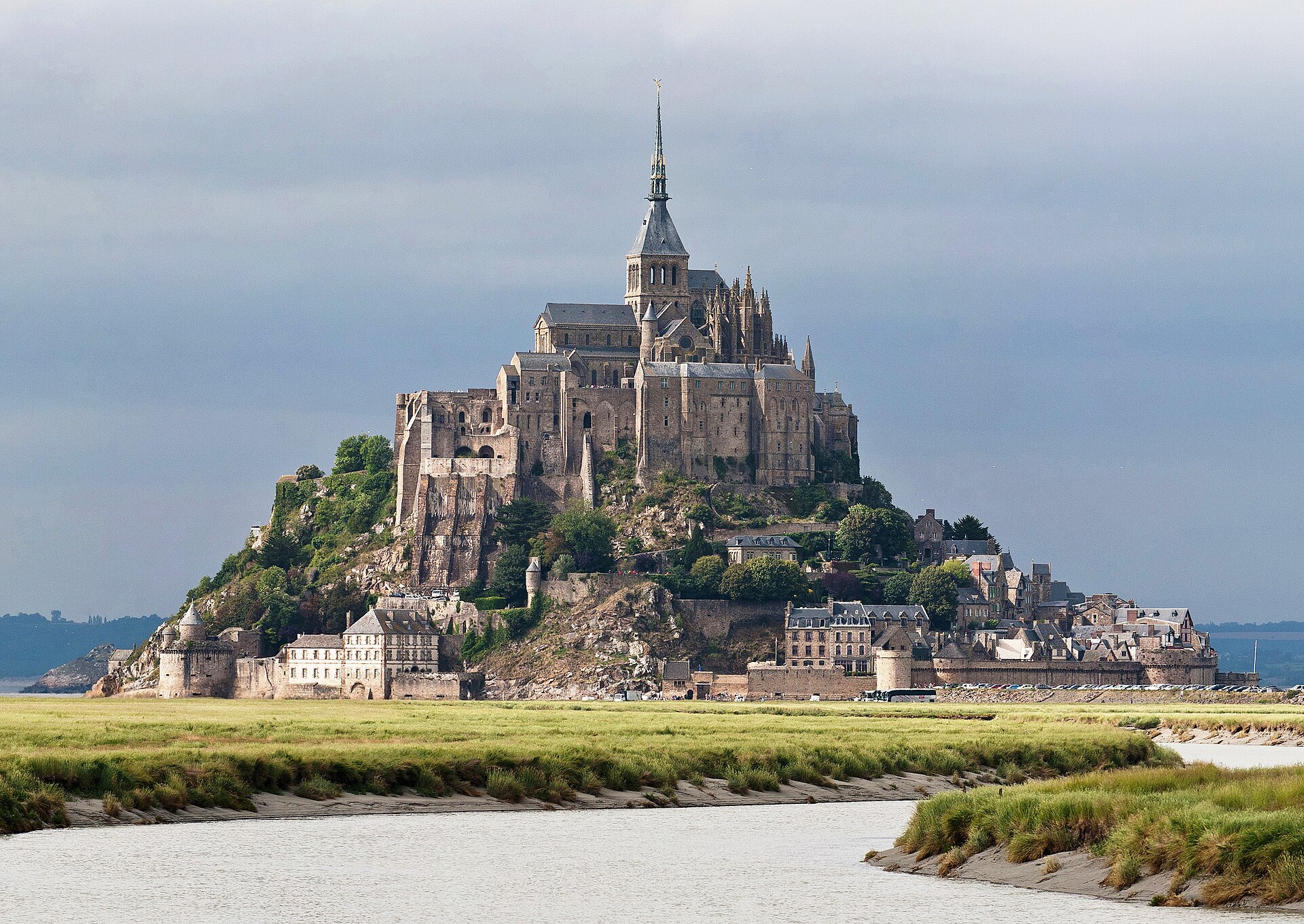
The Rock That Refused to Drown
Twice a day, the sea swallows the causeway whole — and for over a thousand years, that fact alone kept an island fortress unconquered.