Hoover Dam: The Concrete That Tamed a River
In the scorched depths of Black Canyon, thousands of men built the largest concrete structure the world had ever seen — and finished it two years early, at a cost of over a hundred lives.

By the early 1900s, the Colorado River was both a promise and a threat to the American Southwest. Land speculators like William Beatty had already tried to bend it to human purposes, digging the Alamo Canal in the late 1890s to irrigate a barren stretch he named the Imperial Valley. The canal worked, but poorly and dangerously — a catastrophic breach once sent the river pouring into the Salton Sea, forcing the Southern Pacific Railroad to spend $3 million stabilizing it, money the company never fully recovered.
Engineers soon began to see the river differently: not just as a menace to irrigate around, but as a source of power. In 1902, the Edison Electric Company of Los Angeles surveyed the river hoping to build a rock dam generating 10,000 horsepower. But electric transmission technology of the era could only carry power 80 miles, and few customers existed within that range. Edison let its land options lapse — including rights to the very site where Hoover Dam would eventually rise.
The federal government took up the challenge instead. The Reclamation Service, led by Arthur Powell Davis, floated a startling idea: use dynamite to collapse the walls of Boulder Canyon into the river itself, letting the current sweep away smaller debris while a dam formed around what remained. After years of study, the agency rejected the scheme in 1922, doubting both the unproven technique and its promised savings.
That same year, the Reclamation Service issued the Fall-Davis report, naming the Colorado River a federal concern since its basin crossed multiple states and flowed into Mexico. The report called for a dam near Boulder Canyon, but surveyors soon found that site flawed — bisected by a geologic fault, or too narrow for a construction camp. Black Canyon, by contrast, seemed ideal, with room for a railway to be laid from Las Vegas straight to the dam site. Even so, the project retained its original name: the Boulder Canyon Project.
Before a single foundation could be poured, seven states — California, Nevada, Arizona, Utah, New Mexico, Colorado, and Wyoming — had to agree on how to share the river's water. Colorado attorney Delph Carpenter proposed an interstate compact, an arrangement never before attempted among more than two states. Talks stalled until the Supreme Court's Wyoming v. Colorado decision undercut the claims of upstream states, pushing negotiators toward agreement. The Colorado River Compact was negotiated and signed on November 24, 1922 — years before Congress would ever authorize the dam itself.
More from Architecture

Stonehenge: The Stones That Refuse to Explain Themselves
For more than 4,500 years, a ring of leaning giants has watched the sun rise and set on the same two days each year — and no one alive can say for certain why.

The Dome That Refused to Fall
Two thousand years ago, Roman engineers poured a dome so vast that no one has dared build a bigger one from unreinforced concrete since. It still stands, open to the sky.

A Minaret Rising Over Kingsland Road
On a busy London street better known for shops and buses, the tallest minaret in Britain quietly reaches into the sky. Its story began not in Sinan's sixteenth-century Istanbul, but in 1990s Hackney.

The Bridge That Was Killed Twice
For 427 years it arched over the Neretva like a stone rainbow. Then, in a matter of days in 1993, it simply ceased to exist.

Neuschwanstein: The Castle Built for a Ghost
A king who despised his own palace built the most famous fairy-tale castle on earth — and died before he ever truly lived in it.
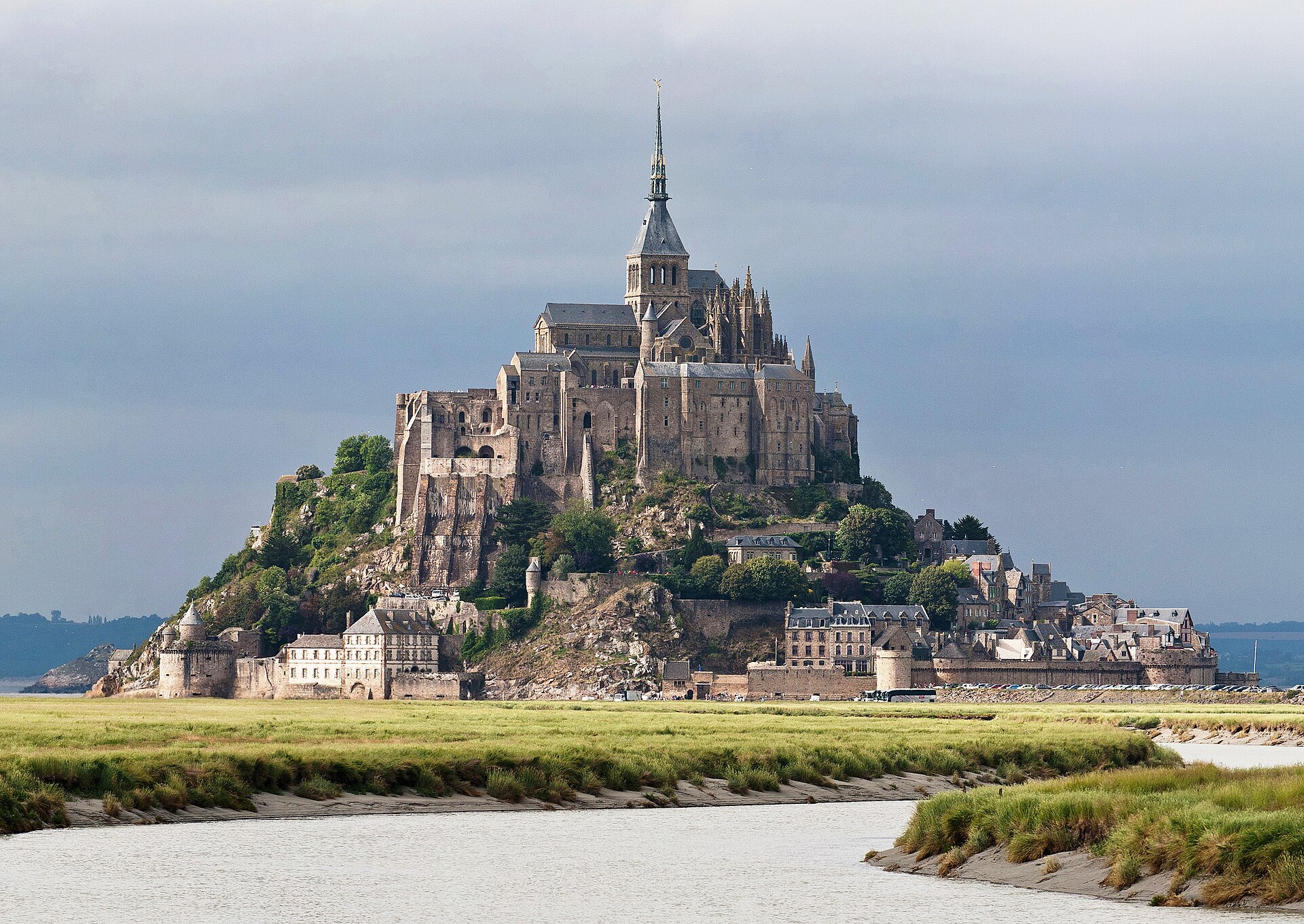
The Rock That Refused to Drown
Twice a day, the sea swallows the causeway whole — and for over a thousand years, that fact alone kept an island fortress unconquered.