Padmanabhaswamy Temple: The Vault That Stays Shut
Beneath golden domes in Kerala lies a chamber so laden with treasure that the very idea of opening it has been called cursed — and one door has never been unlocked.
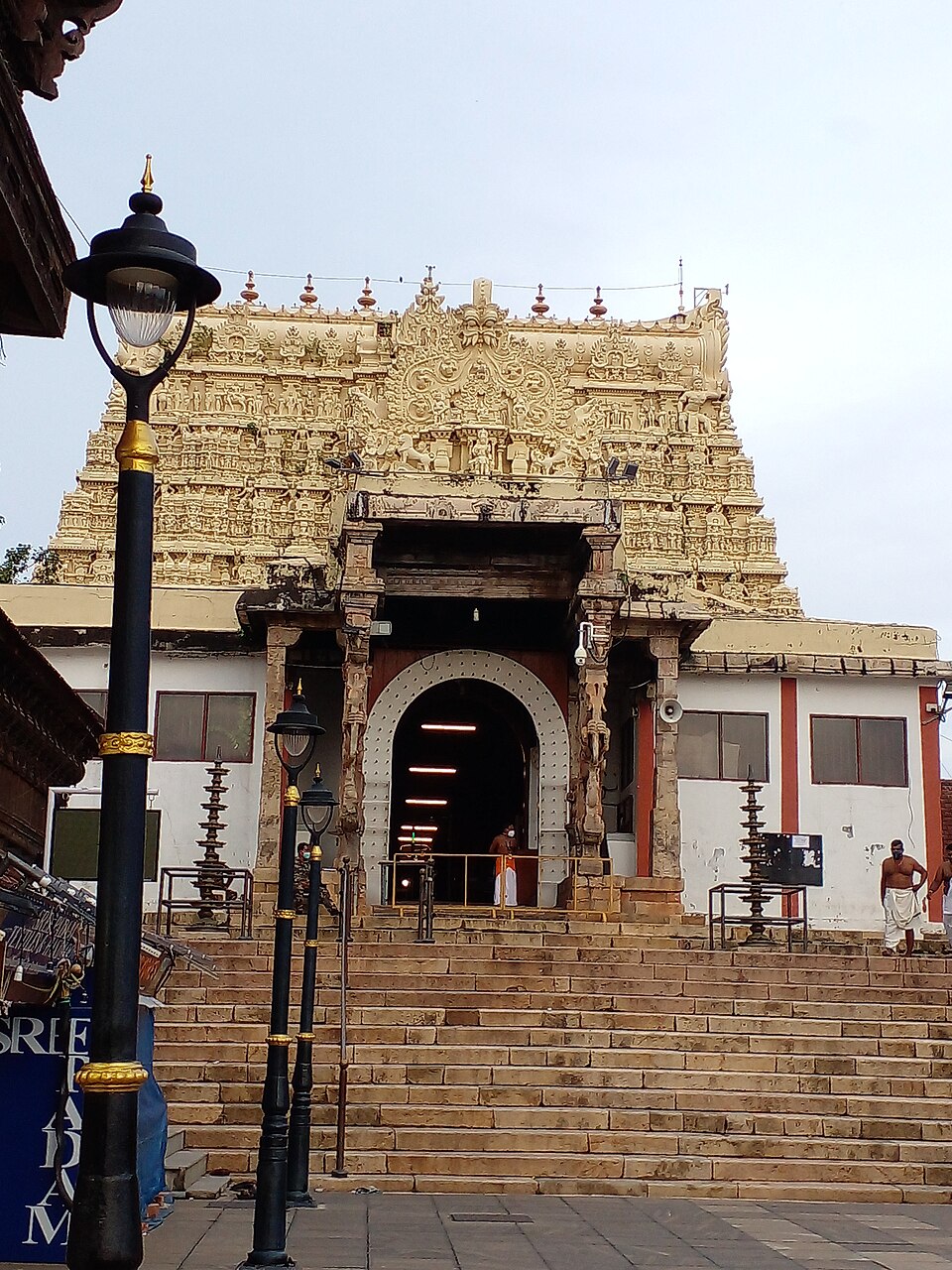
In the heart of Thiruvananthapuram, Kerala, stands the Padmanabhaswamy Temple, a Hindu shrine dedicated to Vishnu in his form as Anantha Padmanabhaswamy — the god reclining in yogic sleep upon the coiled serpent Shesha. The temple is one of the 108 Divya Desams, the sacred sites revered in the Sri Vaishnava tradition, and it remains the tutelary shrine of the Travancore royal family, with the titular Maharaja, Moolam Thirunal Rama Varma, serving today as its trustee.
The temple's roots reach into myth long before recorded history. Hindu texts including the Vishnu Purana, Brahma Purana, Matsya Purana, and the Mahabharata mention it, calling it 'Syanandoorapura'. Legend holds that the sage Parashurama purified and venerated the idol in the Dvapara Yuga, entrusting its administration to seven Potti families and its protection to King Adithya Vikrama of Vanchi, while the Tantram, the temple's ritual authority, passed to Tharananallur Namboothiripad. A later, less mythologically weighty story links the temple to the sage Vilvamangalathu Swamiyar, also known as Divakara Muni.
The temple's fame is not confined to scripture. It appears repeatedly in Sangam period Tamil literature, including the Cilappatikaram, and scholars believe one of its ancient names, 'The Golden Temple', reflected the extraordinary wealth it already held in that early era. Tamil poet-saints of the 9th century, among them Nammalwar, praised the temple and the surrounding city as having streets and walls of pure gold — a heaven on earth. By the seventh and eighth centuries CE, hymns celebrated it among the 13 Divya Desams of Malai Nadu, the region corresponding to present-day Kerala and Kanyakumari district.
The temple's history was not always peaceful. In 1680, a Muslim marauder named Mukilan invaded parts of Venad and destroyed the nearby Budhapuram Bhaktadasa Perumal Temple, owned by the Neythasseri Potti family. Mukilan intended to plunder and destroy Padmanabhaswamy Temple as well, but local Muslims loyal to the Venad royals dissuaded him. Soon after, he was killed in the Battle of Manacaud.
Around 1425 AD, King Veera Iravi Iravi Varma ordered the construction of a 'granta-pura', a record room within the temple compound, to preserve the Mathilakam — the 'within-the-walls' records documenting centuries of temple life. Over 3,000 cadjan leaf-records from this archive were eventually donated to the Archives Department in 1867. According to archaeologist R. Nagaswamy, each cadjan bundle contains around 10,000 documents, amounting to more than 30 crore records in total — yet only a small fraction, written largely in ancient Middle Tamil and Malayalam scripts, has ever been deciphered. The rest remains held by the Archives Department, sorted under 70 subject heads, according to Aswathi Thirunal Gouri Lakshmi Bayi, a member of the Travancore royal family who has written on the temple's history.
More from Treasures

The Legend of the Nazi Gold Train
Somewhere beneath the hills of Poland, rumor insists, a train loaded with looted treasure vanished into a tunnel and was never seen again. The story survives because the plunder behind it was terrifyingly real.

The Treasure List Carved in Copper
While every other Dead Sea Scroll was written on parchment or papyrus, one was hammered into metal — a list of buried gold and silver that no one has ever found.

The Diamond That Vanished for a Century
For decades, treasure hunters and novelists spun theories about a lost 137-carat gem — sold, recut, melted into legend. It was sitting in a Quebec bank vault the entire time.

Gold, Ghosts, and the Mountain That Keeps Its Secret
For over a century, treasure hunters have vanished into a jagged Arizona range chasing a fortune that may never have existed at all. What they left behind was not gold, but one of America's most enduring legends.

The King Who Buried a River
When Rome finally cornered the Dacian king, it wasn't a sword that gave up his secret — it was a traitor's whisper about a riverbed.

The Fortune Dutch Schultz Took to His Grave
He asked New York's mob bosses for permission to kill a federal prosecutor — and when they said no, he disobeyed them anyway. It was a decision that would end his life and leave behind a fortune that has never been found.