The Bargaining Chip That Hanged a Pirate
He buried a fortune hoping it would save his neck. Instead, it made him a legend.
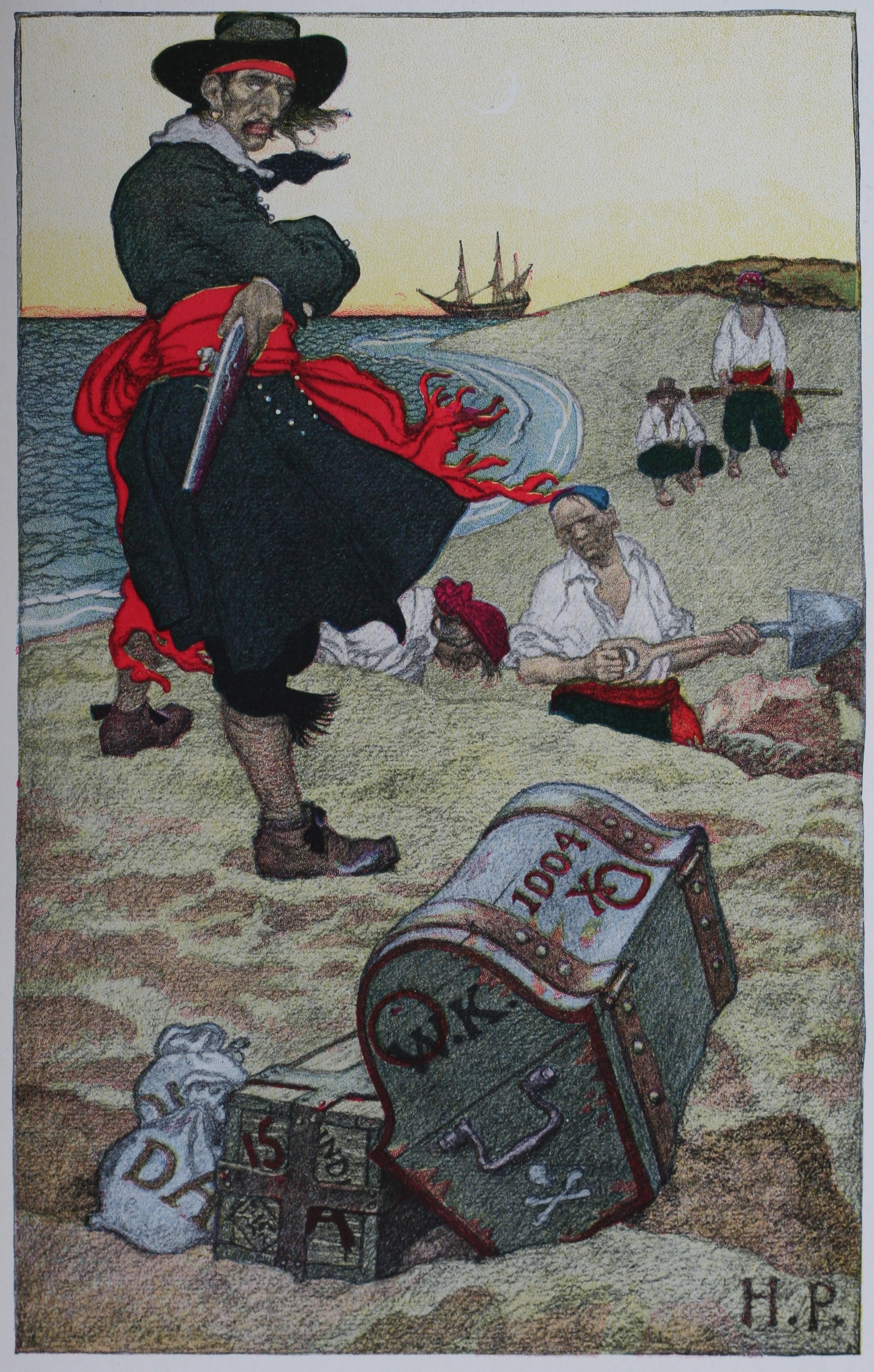
On Gardiners Island, near Long Island, William Kidd is believed to have knelt in the sand sometime in 1699 and hidden away part of his plundered wealth. He was not thinking of adventure or mystery when he did it. He was thinking of survival.
Kidd had begun his career as something respectable, at least on paper: a privateer commissioned by England to hunt enemy ships and pirates on the crown's behalf. But somewhere along the way, his conduct crossed the line separating sanctioned raiding from outright piracy, and word of his activities reached authorities eager to make an example of him.
Sensing the net closing, Kidd sailed toward New York City, but not before stopping at Gardiners Island to bury a portion of his treasure. The idea, it seems, was practical rather than romantic: if he was caught, the hidden wealth might become a bargaining chip, something to trade for leniency or his life.
The gamble failed. Kidd was captured, tried, and hanged as a pirate, his buried fortune doing nothing to spare him. But the story of the treasure did not die with him — if anything, it grew larger with every retelling, becoming the seed of an entire mythology.
Kidd was far from the only pirate rumored to have stashed away riches. Governor Thomas Modyford of Jamaica wrote in 1665 of buccaneers hiding plundered Spanish goods in holes and creeks rather than returning them. A 1703 deposition mentioned money from pirate Thomas Tew's sloop supposedly buried in the ground at Rhode Island. Stories swirled around Henry Every's riches lying buried near Madagascar, and later writers claimed Blackbeard had hidden chests near Mulberry Island in Virginia, or a fortune on the island of Blanco in the West Indies. Even the pirate John Rackham was said, in the unreliable General History of the Pyrates, to have buried treasure before his capture — a claim absent from his actual trial record.
More from Treasures

The Legend of the Nazi Gold Train
Somewhere beneath the hills of Poland, rumor insists, a train loaded with looted treasure vanished into a tunnel and was never seen again. The story survives because the plunder behind it was terrifyingly real.

The Treasure List Carved in Copper
While every other Dead Sea Scroll was written on parchment or papyrus, one was hammered into metal — a list of buried gold and silver that no one has ever found.

The Diamond That Vanished for a Century
For decades, treasure hunters and novelists spun theories about a lost 137-carat gem — sold, recut, melted into legend. It was sitting in a Quebec bank vault the entire time.

Gold, Ghosts, and the Mountain That Keeps Its Secret
For over a century, treasure hunters have vanished into a jagged Arizona range chasing a fortune that may never have existed at all. What they left behind was not gold, but one of America's most enduring legends.

The King Who Buried a River
When Rome finally cornered the Dacian king, it wasn't a sword that gave up his secret — it was a traitor's whisper about a riverbed.

The Fortune Dutch Schultz Took to His Grave
He asked New York's mob bosses for permission to kill a federal prosecutor — and when they said no, he disobeyed them anyway. It was a decision that would end his life and leave behind a fortune that has never been found.