The Day Someone 'Shot' Marilyn
Andy Warhol thought she wanted to photograph his paintings. He was wrong—and the mistake would echo through art history for six decades.
In the autumn of 1964, Andy Warhol's Factory studio buzzed with its usual mix of artists, hangers-on, and eccentrics drifting through the silver-walled space. Among the visitors that day was Dorothy Podber, a performance artist and former neighbor of Factory photographer Billy Name, who arrived with two friends and her Great Dane in tow. Leaning against a wall nearby was a fresh stack of Warhol's latest silkscreen portraits: five large canvases of Marilyn Monroe, each rendered in a different color scheme—red, orange, light blue, sage blue, and turquoise.
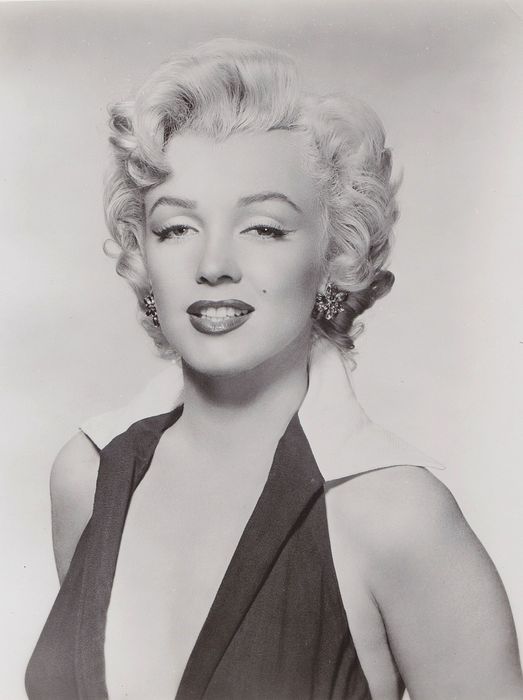
These paintings were the latest chapter in Warhol's long fascination with Marilyn Monroe, an obsession that had begun after her death in August 1962. He had already immortalized her in Gold Marilyn Monroe, Marilyn Diptych, and the Flavor Marilyns, all based on the same 1953 publicity photograph from the film Niagara, photographed by Gene Kornman. The 1964 series marked a technical leap: larger canvases, richer color, and a more assured silkscreen hand than the earlier works.
Podber, spotting the stack of Marilyns, asked Warhol if she could 'shoot' them. Warhol, assuming she meant to photograph the paintings, agreed without hesitation. What happened next stunned everyone present. Podber removed her gloves, pulled a small pistol from her handbag, and fired a single shot through the stack of canvases, striking Monroe's image 'right between the eyes,' as Billy Name later recalled.
Warhol was visibly shaken. Podber was banned from the Factory for life. Four of the five paintings were struck by the bullet, while the fifth, the turquoise canvas, was not damaged because it simply had not been part of the stack at the time of the shooting. The damaged works were later repaired, though traces of the bullet hole remain faintly visible to this day, resisting even Warhol's careful restoration.
The incident gave the series its permanent name: the Shot Marilyns. What might have remained a footnote in Factory lore instead became inseparable from the paintings' identity and meaning. Art historians have since suggested that Podber's literal interpretation of 'shoot'—a word used casually for photography—carried an almost Dada-like linguistic mischief, echoing the very questions of authorship and originality that Warhol himself explored in his work.
More from Art

The Painting With No Foreground
A single robed figure stares out at an empty grey sea — and the emptiness itself became a scandal. When it was unveiled in Berlin in 1810, no one knew quite what to do with it.

The Painter Who Chased the Light
For a few purple minutes each evening, an American exile knelt in an English garden and raced the dying sun to paint two little girls lighting lanterns. It took him two years to finish.

When a President Became a God
Look straight up inside the U.S. Capitol dome and you will find George Washington enthroned among the clouds, surrounded by goddesses — the founding father transformed into myth.

Marble Brought Back to Life
A corpse asleep, a wing barely brushing her skin — and marble somehow learns to breathe. This is the moment Antonio Canova dared to carve.

The World Turned Upside Down
Look closely at a sixteenth-century Flemish village and you'll find a man biting a pillar, another carrying daylight in a basket, and a wife slipping a blue cloak over her husband's shoulders. Every gesture is a joke — if you know the language.

The Girl in the Glass Case
She stood two-thirds life size, dressed in a real tutu and human hair — and the critics who saw her in 1881 recoiled as if she were something obscene.