The Dog, the Hole, and the Bulls of Lascaux
A dog chasing a scent led four teenagers into a hole in the ground — and into a gallery of animals no human eyes had seen in 17,000 years.
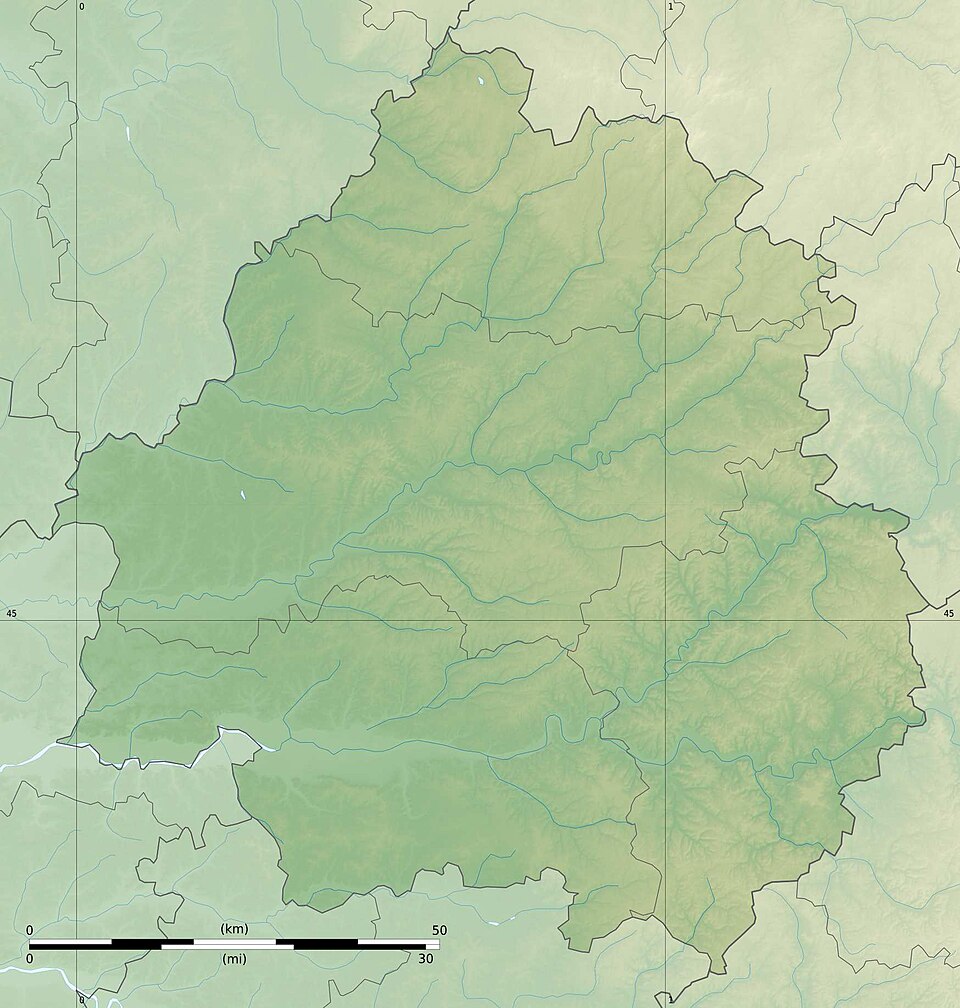
On 12 September 1940, eighteen-year-old Marcel Ravidat was walking near Montignac, in the Dordogne region of southwestern France, when his dog began investigating a hole left by an uprooted tree. In later years Ravidat would embellish the tale, claiming the dog had fallen in, but the truth was simpler: curiosity, a hole in the earth, and a boy willing to follow it.
Ravidat returned with three friends — Jacques Marsal, Georges Agnel, and Simon Coencas — and together they climbed down a fifteen-metre shaft, believing they might have found a secret passage to the nearby Lascaux Manor. Instead, they found something far older. The walls around them were covered in painted animals.
Word of the discovery reached Abbé Henri Breuil, who visited the cave on 21 September 1940 with Denis Peyrony, curator of the National Museum of Prehistory at Les Eyzies, along with Jean Bouyssonie and Dr Cheynier. Breuil made extensive sketches of the paintings, some of which remain valuable today because many of the original images have since degraded.
What the men had found was a network of galleries, later named for their character: the Hall of the Bulls, the Passageway, the Shaft, the Nave, the Apse, and the Chamber of Felines. Nearly 6,000 figures cover the walls in total — animals, human figures, and abstract signs — rendered in red, yellow, and black using mineral pigments including iron oxide, charcoal, and ochre. The images show none of the surrounding landscape or vegetation of the time; only the animals seem to have mattered. Researchers now estimate the paintings date to between 17,000 and 22,000 years ago, placing them in the early Magdalenian period, the combined work of many generations rather than a single hand.
The cave opened to the public on 14 July 1948, and archaeological investigation of the Shaft began the following year. But the popularity that made Lascaux famous nearly destroyed it. By 1955, some 1,200 visitors a day were exhaling carbon dioxide and heat into the enclosed space, raising humidity and inviting fungi and lichen to creep across the painted walls. The damage was visible and accelerating. In 1963 the French government closed the cave to the public, restored the paintings as best they could, and began daily monitoring of the cave's conditions.
More from Art

The Painting With No Foreground
A single robed figure stares out at an empty grey sea — and the emptiness itself became a scandal. When it was unveiled in Berlin in 1810, no one knew quite what to do with it.

The Painter Who Chased the Light
For a few purple minutes each evening, an American exile knelt in an English garden and raced the dying sun to paint two little girls lighting lanterns. It took him two years to finish.

When a President Became a God
Look straight up inside the U.S. Capitol dome and you will find George Washington enthroned among the clouds, surrounded by goddesses — the founding father transformed into myth.

Marble Brought Back to Life
A corpse asleep, a wing barely brushing her skin — and marble somehow learns to breathe. This is the moment Antonio Canova dared to carve.

The World Turned Upside Down
Look closely at a sixteenth-century Flemish village and you'll find a man biting a pillar, another carrying daylight in a basket, and a wife slipping a blue cloak over her husband's shoulders. Every gesture is a joke — if you know the language.

The Girl in the Glass Case
She stood two-thirds life size, dressed in a real tutu and human hair — and the critics who saw her in 1881 recoiled as if she were something obscene.