The Looting of the Cradle of Civilization
In April 2003, as tanks rolled into Baghdad, nearly 15,000 artifacts vanished from the Iraq Museum in a matter of days — the culmination of more than a century of plunder in the land where writing itself was born.
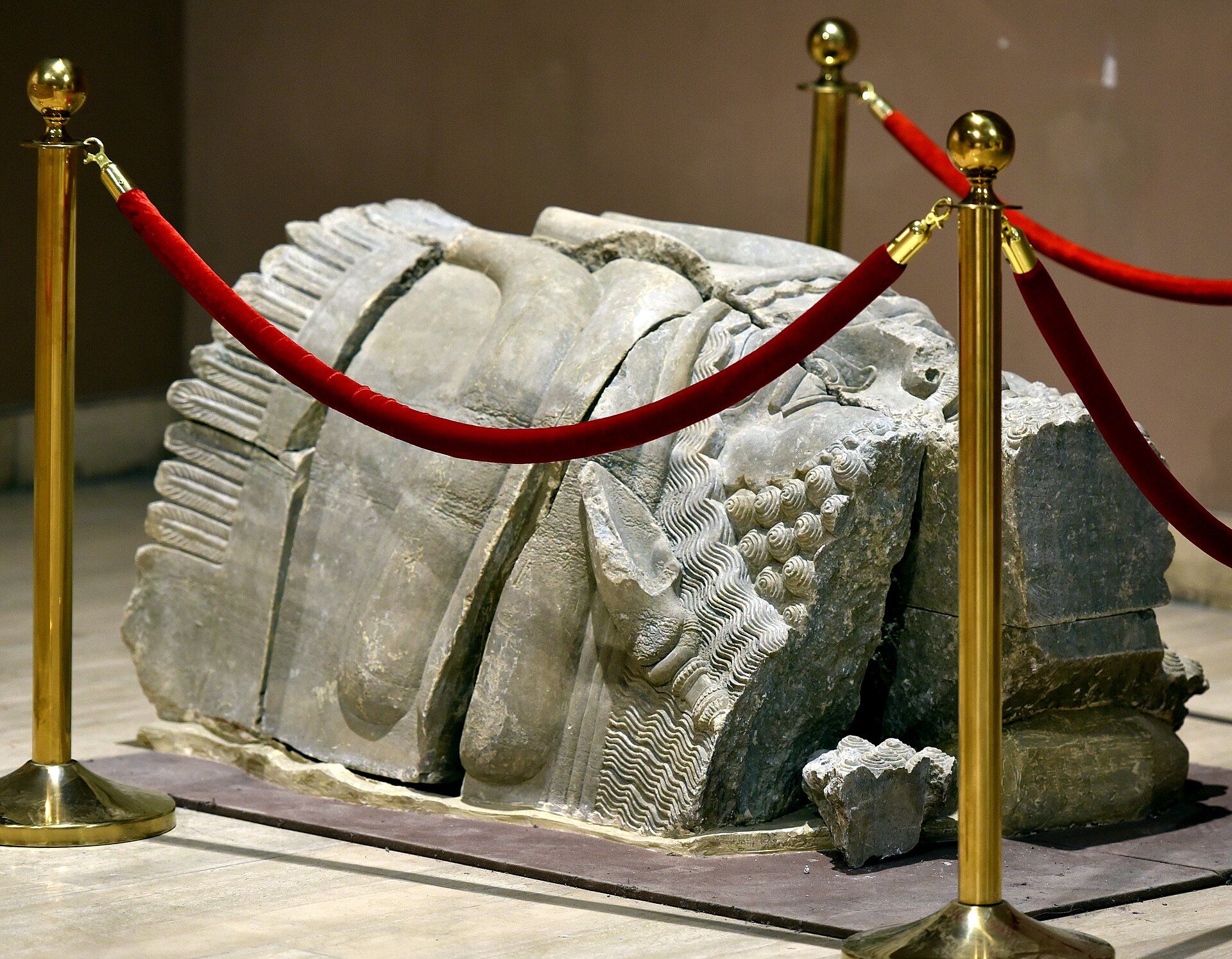
The theft of Mesopotamia's past did not begin with American tanks. It began in the nineteenth century, when the Ottoman Empire, ruling over the region, tried to stop it. In 1884 the Ottomans passed the revised Asar-ı Atika law, declaring antiquities state property and forbidding their unauthorized export. It was an early attempt to hold on to a heritage that the whole world seemed eager to carry away.
After World War I, Britain took administrative control of Mesopotamia and, recognizing that looting was becoming a serious problem, imposed an absolute ban on exporting antiquities. The British Museum oversaw excavation sites and museums across the territory. Gertrude Bell, the same woman remembered for helping draw Iraq's modern borders, dug at numerous sites and laid the groundwork for what became the National Museum of Iraq — an institution built, ironically, in the same years that the region's black market for antiquities was quietly taking shape.
By the mid-1920s that black market had grown enough that looting spread to nearly every site where valuable objects could be found. When Iraq won independence from Britain, the old export ban was lifted, and until the mid-1970s Iraq stood almost alone among nations in not restricting the international trade of its own antiquities. Global collectors and black-market dealers took notice. The 1991 Gulf War made the toll starkly visible: at least 4,001 artifacts were looted from sites across the country, and the uprisings that followed the war saw nine of Iraq's thirteen regional museums looted and burned.
Curiously, it was Saddam Hussein who became one of the more determined defenders of this heritage. After taking power in 1979, he treated Iraq's ancient past as central to his national narrative and doubled the government budget devoted to archaeology and heritage protection, building museums and safeguarding sites nationwide. Some prized artifacts, briefly displayed to the public in 1989, were reportedly moved for safekeeping into the vaults of the Central Bank of Iraq. Yet as his Ba'ath Party came under mounting pressure through the 1990s, looting crept back in, and by 2000 it had become so widespread that even the workers employed at excavation sites were looting their own workplaces.
Then came 2003. With the collapse of Saddam's government, archaeological sites across the country were left entirely unguarded, and looting exploded on a scale the region had not seen before. A handful of sites, such as Ur and Nippur, received protection from US and Coalition forces — but they were exceptions, not the rule. Lawrence Rothfield, former director of the Cultural Policy Center at the University of Chicago, has argued that the ransacking of the National Museum of Iraq and of hundreds of archaeological sites was not an unforeseeable accident but a foreseeable consequence of decisions made before the invasion even began — chiefly Defense Secretary Donald Rumsfeld's choice to invade quickly with a comparatively small force, leaving too few troops to secure cultural sites.
More from Art

The Painting With No Foreground
A single robed figure stares out at an empty grey sea — and the emptiness itself became a scandal. When it was unveiled in Berlin in 1810, no one knew quite what to do with it.

The Painter Who Chased the Light
For a few purple minutes each evening, an American exile knelt in an English garden and raced the dying sun to paint two little girls lighting lanterns. It took him two years to finish.

When a President Became a God
Look straight up inside the U.S. Capitol dome and you will find George Washington enthroned among the clouds, surrounded by goddesses — the founding father transformed into myth.

Marble Brought Back to Life
A corpse asleep, a wing barely brushing her skin — and marble somehow learns to breathe. This is the moment Antonio Canova dared to carve.

The World Turned Upside Down
Look closely at a sixteenth-century Flemish village and you'll find a man biting a pillar, another carrying daylight in a basket, and a wife slipping a blue cloak over her husband's shoulders. Every gesture is a joke — if you know the language.

The Girl in the Glass Case
She stood two-thirds life size, dressed in a real tutu and human hair — and the critics who saw her in 1881 recoiled as if she were something obscene.