A Night That Changed the World
On a cold November night in 1989, the wall that had divided a city fell open. The fall of the Berlin Wall was not just an event—it was a moment that reshaped the world.
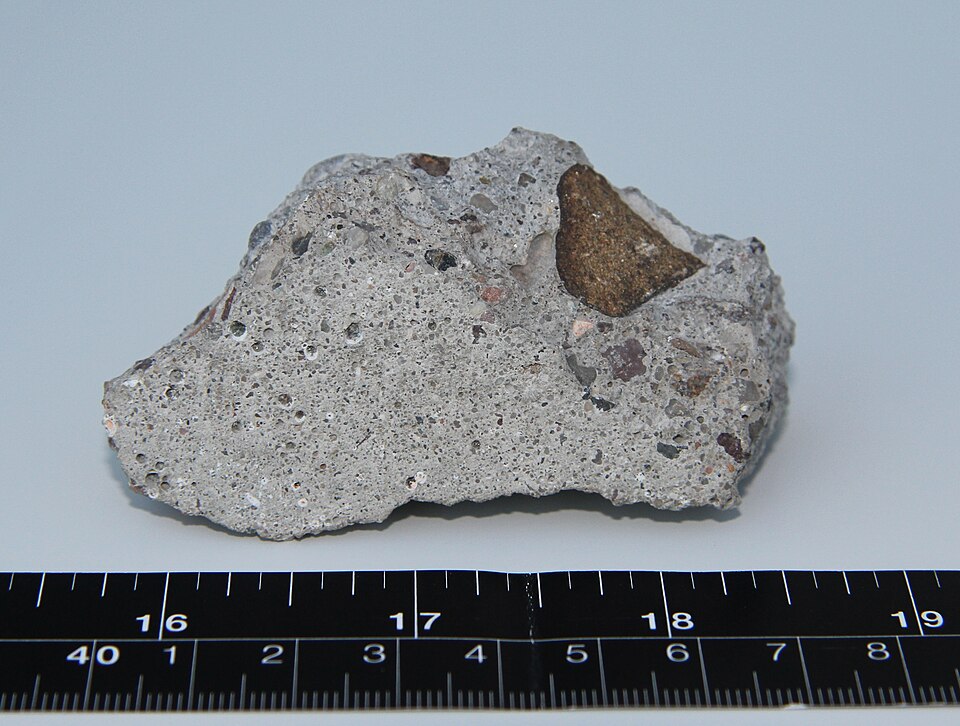
The Berlin Wall was a symbol of division and oppression, and a physical embodiment of the Cold War's ideological divide. It consisted of two parallel walls, each four metres tall and 155 kilometres long, separated by a mined corridor known as the death strip. That strip was heavily guarded and lined with 302 watchtowers, and guards had authorization to shoot anyone who tried to cross. For many, the wall was a daily reminder of a divided world. But on November 9, 1989, something changed.
That evening, an hour-long press conference was held in East Berlin. Günter Schabowski, the outgoing party leader and top party spokesman, was to announce new travel regulations. Shortly before the conference he was handed a note from Egon Krenz—the man who had succeeded Erich Honecker—but was given no further instructions on how to handle the information. Answering a question near the end, Schabowski gave a confusing account of the note, declaring that East Germans could now travel abroad without meeting the previous requirements. His words, unclear and hesitant, sent shockwaves through the city.
In the hours that followed, crowds gathered at the border checkpoints. The confusion had spread, and people, many of them desperate to reach the West, began to push toward the gates. Guards, unsure of what to do, hesitated. Some opened the gates, others stood firm. But the people kept coming. The wall, which had once seemed an impenetrable fortress, was now being overwhelmed by the will of the people.
As the night deepened, the transit restrictions collapsed. People climbed onto the wall, others chipped away at the concrete. The barrier that had been a symbol of division was now being breached by those who had longed for freedom. In the streets of Berlin, joy and disbelief mingled. Families reunited, friends embraced, and the city, once divided, began to heal.
The fall of the Berlin Wall was not a single moment but a chain of events that had been building for years. The Pan-European Picnic in August 1989, when the Iron Curtain was opened between Austria and Hungary, had set the stage, as had the growing unrest in East Germany and the flight of refugees to the West. The people had grown tired of the regime, and the reforms promised by Krenz, though not fully realized, had given them hope. On that night, they seized the opportunity.
More from History

The Morning Bingham Climbed to Machu Picchu
On a cold July morning in 1911, an American historian scrambled up a jungle-choked ridge above the Urubamba River — and by afternoon, a forgotten Inca citadel would belong to the world.

The Last Half-Hour of the Hindenburg
It was already half a day late, and the public had been told to keep away — but at seven o'clock that evening, the Hindenburg finally turned toward its mooring mast for the last time.

The Last Hours of Pompeii: August 24, 79 AD
By noon it was just another hot day beside the Bay of Naples. By evening, an entire mountain had rewritten the fate of thousands.

The Longest Walk: Mandela's Last Steps to Freedom
After 27 years behind bars, a 71-year-old man had to relearn how to walk out of a prison gate — into a waiting world of cameras, crowds, and a country holding its breath.

The Document Lincoln Signed on the First Day of 1863
On a single January morning, a president's pen would change the legal status of more than three million people — if the ink held and his hand did not shake.

The Day of the Dream: August 28, 1963
Two hundred and fifty thousand people converged on the National Mall that morning — by nightfall, one voice from the steps of the Lincoln Memorial would echo for generations.