The Day of the Dream: August 28, 1963
Two hundred and fifty thousand people converged on the National Mall that morning — by nightfall, one voice from the steps of the Lincoln Memorial would echo for generations.

By the morning of August 28, 1963, Washington, D.C. was already filling with people who had traveled by bus, train, and car from across the country. Organizers A. Philip Randolph and Bayard Rustin, who had spent nearly two years preparing this day, watched crowds gather along the National Mall, converging on the Lincoln Memorial where the march would culminate. Estimates of the day's turnout ranged from 200,000 to 300,000, with the widely cited figure settling at 250,000 — a crowd that observers judged to be 75 to 80 percent Black, alongside white allies who had answered the call for jobs and freedom.
The demonstration united an unlikely coalition. Civil rights organizations, labor unions, and religious groups that had often worked separately now stood together under one banner. Walter Reuther, president of the United Auto Workers, walked among the marchers as the most prominent white organizer of the day, lending the labor movement's institutional weight to a cause led by Black civil rights leaders.
As the day unfolded, music carried across the Mall. Mahalia Jackson and Marian Anderson, two of the era's most celebrated singers, performed for the assembled crowd, their voices rising over a sea of signs and sun hats. Between the songs, speaker after speaker from the movement's leadership took the podium, each addressing different facets of the fight against legalized racism and economic injustice.
The program moved steadily toward its close as the afternoon wore on. The final speaker of the day was Martin Luther King Jr., who stepped forward to address the crowd from in front of the Lincoln Memorial — the same monument where, six years earlier, a smaller Prayer Pilgrimage for Freedom had gathered.
Standing before the Lincoln Memorial in the year marking the 100th anniversary of the Emancipation Proclamation, King delivered what would become known as the 'I Have a Dream' speech. His words called for an end to legalized racism and racial segregation, framing the day's demand for jobs and freedom within a larger vision of American possibility.
More from History

The Morning Bingham Climbed to Machu Picchu
On a cold July morning in 1911, an American historian scrambled up a jungle-choked ridge above the Urubamba River — and by afternoon, a forgotten Inca citadel would belong to the world.

The Last Half-Hour of the Hindenburg
It was already half a day late, and the public had been told to keep away — but at seven o'clock that evening, the Hindenburg finally turned toward its mooring mast for the last time.

The Last Hours of Pompeii: August 24, 79 AD
By noon it was just another hot day beside the Bay of Naples. By evening, an entire mountain had rewritten the fate of thousands.

The Longest Walk: Mandela's Last Steps to Freedom
After 27 years behind bars, a 71-year-old man had to relearn how to walk out of a prison gate — into a waiting world of cameras, crowds, and a country holding its breath.

The Document Lincoln Signed on the First Day of 1863
On a single January morning, a president's pen would change the legal status of more than three million people — if the ink held and his hand did not shake.
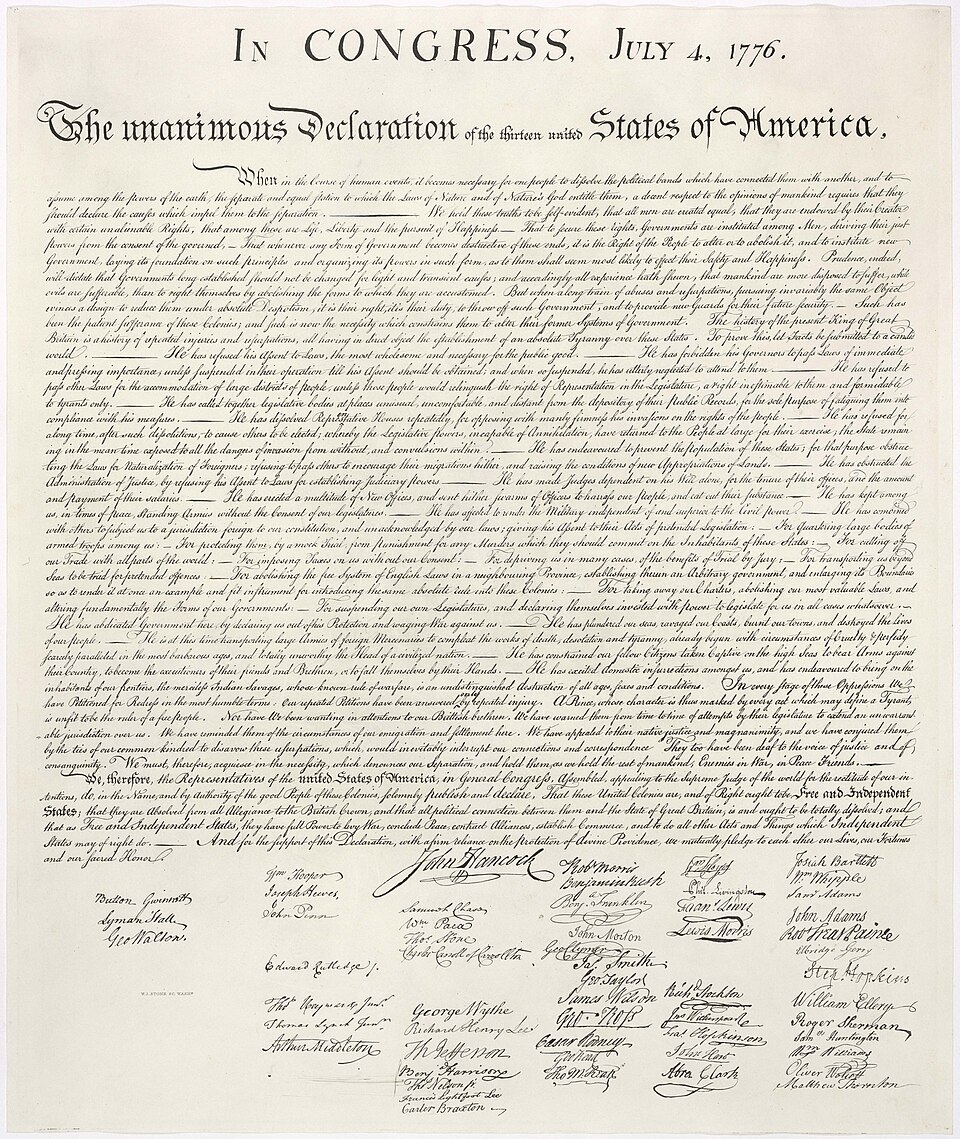
The Room Where They Signed Their Own Death Warrants
Inside a brick statehouse in Philadelphia, fifty-six men were about to commit treason against the most powerful empire on Earth — and they knew exactly what that could cost them.