The Morning Bingham Climbed to Machu Picchu
On a cold July morning in 1911, an American historian scrambled up a jungle-choked ridge above the Urubamba River — and by afternoon, a forgotten Inca citadel would belong to the world.

On the morning of July 24, 1911, Hiram Bingham III set out from a camp near the Urubamba River in southern Peru, deep in the canyon country northwest of Cusco. He was an American historian, not yet the famous excavator he would become, following local leads about ruins hidden somewhere above the river's subtropical gorge.
Local farmers living along the river had long known of stone walls on the ridge above them. It was one of these residents who guided Bingham upward that day, leading him along steep, overgrown paths toward the saddle between two peaks the Quechua called Machu Picchu, meaning 'old peak', and Huayna Picchu, meaning 'young peak'.
The climb was arduous. The mountain ridge sat at 2,430 meters, wrapped in cloud forest, and the route was choked with vegetation that had grown undisturbed for generations. Bingham had no way of knowing that a Peruvian explorer named Agustín Lizárraga had also reached the site in the early 20th century — the ruins were not truly lost to everyone, only to the wider world beyond the valley.
As Bingham crested the ridge, the vegetation gave way to something extraordinary: dry-stone walls built in the classical Inca style, still standing after centuries of abandonment. Structures later identified as the Temple of the Sun, the Temple of the Three Windows, and the Intihuatana ritual stone emerged from the undergrowth, remnants of a city built around 1450, likely as a royal estate for the Inca emperor Pachacuti.
The site had been occupied roughly from 1420 to 1530. During its active use as an estate, about 750 people lived there, most of them permanent support staff, alongside religious specialists and temporary workers; in winter, the harsher season, that number shrank to a few hundred. The city was eventually abandoned during the era of the Spanish conquest, its population possibly diminished by smallpox introduced ahead of the conquistadors themselves.
More from History

The Last Half-Hour of the Hindenburg
It was already half a day late, and the public had been told to keep away — but at seven o'clock that evening, the Hindenburg finally turned toward its mooring mast for the last time.

The Last Hours of Pompeii: August 24, 79 AD
By noon it was just another hot day beside the Bay of Naples. By evening, an entire mountain had rewritten the fate of thousands.

The Longest Walk: Mandela's Last Steps to Freedom
After 27 years behind bars, a 71-year-old man had to relearn how to walk out of a prison gate — into a waiting world of cameras, crowds, and a country holding its breath.

The Document Lincoln Signed on the First Day of 1863
On a single January morning, a president's pen would change the legal status of more than three million people — if the ink held and his hand did not shake.

The Day of the Dream: August 28, 1963
Two hundred and fifty thousand people converged on the National Mall that morning — by nightfall, one voice from the steps of the Lincoln Memorial would echo for generations.
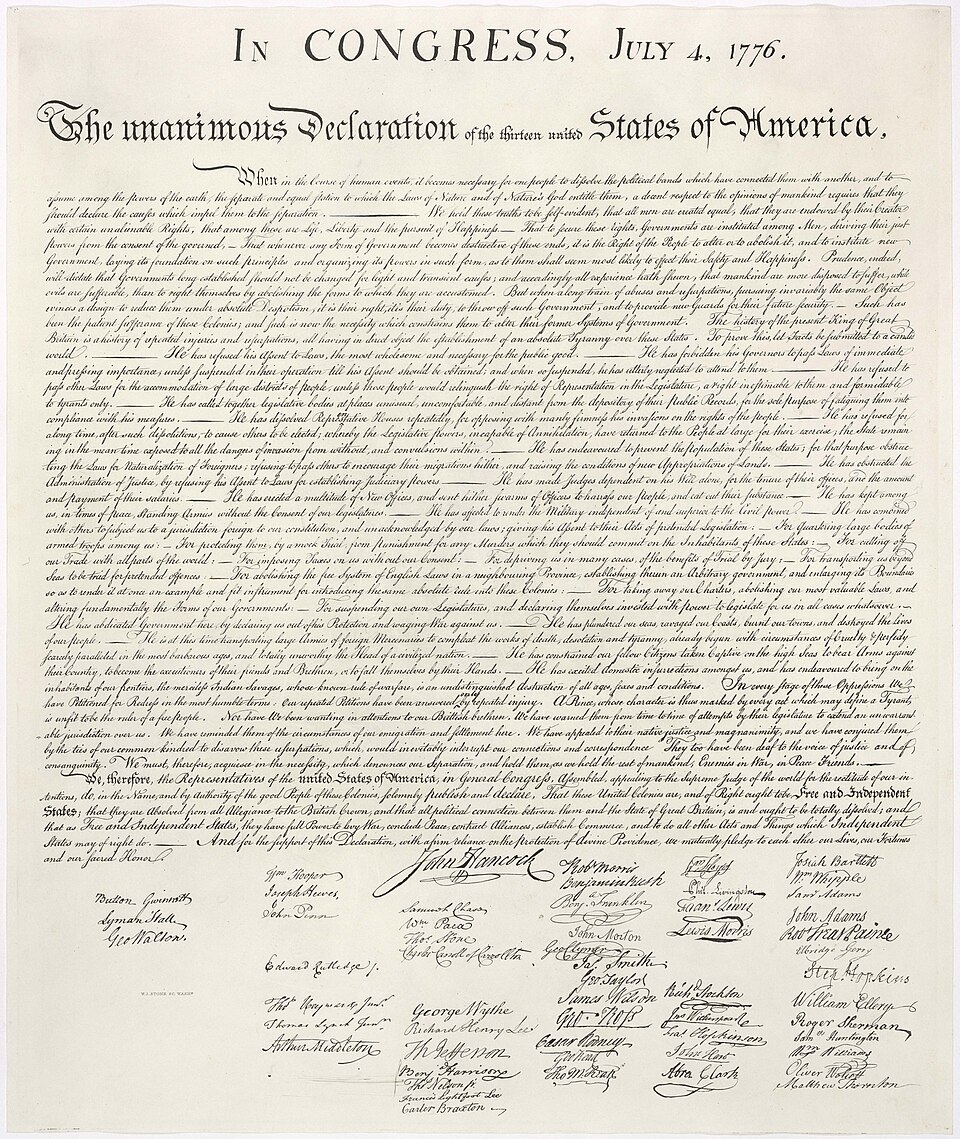
The Room Where They Signed Their Own Death Warrants
Inside a brick statehouse in Philadelphia, fifty-six men were about to commit treason against the most powerful empire on Earth — and they knew exactly what that could cost them.