The Document Lincoln Signed on the First Day of 1863
On a single January morning, a president's pen would change the legal status of more than three million people — if the ink held and his hand did not shake.

January 1, 1863 dawned as the date Abraham Lincoln had promised the nation exactly one hundred days earlier. On September 22, 1862, he had issued a preliminary proclamation warning that if the rebellious states did not return to the Union by this day, every enslaved person within them would be declared free. Now the deadline had arrived, and the document had to be finished, read, and signed before the day closed.
The final proclamation, officially Proclamation 95, invoked Lincoln's authority as Commander-in-Chief of the Army and Navy, exercising it as what he called a 'fit and necessary war measure' for suppressing the rebellion. The text named the specific states and parts of states still considered in rebellion against the United States — ten of the eleven that had seceded, since Tennessee was by then under Union control.
Within those designated regions, the proclamation declared, all persons held as slaves 'are, and henceforward shall be free.' It was not a sweeping abolition of slavery everywhere in the country — border states loyal to the Union, along with parts of Virginia and certain Louisiana parishes under Union control, were left untouched. Yet inside Confederate territory, the words carried immediate legal force wherever Union authority already reached.
The proclamation also opened a new door: it declared that persons of suitable condition would be received into the armed service of the United States. For enslaved men within reach of Union lines, freedom and enlistment now stood side by side as possibilities on this same day.
Lincoln closed the document not with triumph but with an appeal — invoking it as an act of justice, warranted by the Constitution and by military necessity, and asking for the considerate judgment of mankind and the gracious favor of Almighty God. It was a president measuring his words carefully, aware that this single signature would be read as either salvation or provocation.
More from History

The Morning Bingham Climbed to Machu Picchu
On a cold July morning in 1911, an American historian scrambled up a jungle-choked ridge above the Urubamba River — and by afternoon, a forgotten Inca citadel would belong to the world.

The Last Half-Hour of the Hindenburg
It was already half a day late, and the public had been told to keep away — but at seven o'clock that evening, the Hindenburg finally turned toward its mooring mast for the last time.

The Last Hours of Pompeii: August 24, 79 AD
By noon it was just another hot day beside the Bay of Naples. By evening, an entire mountain had rewritten the fate of thousands.

The Longest Walk: Mandela's Last Steps to Freedom
After 27 years behind bars, a 71-year-old man had to relearn how to walk out of a prison gate — into a waiting world of cameras, crowds, and a country holding its breath.

The Day of the Dream: August 28, 1963
Two hundred and fifty thousand people converged on the National Mall that morning — by nightfall, one voice from the steps of the Lincoln Memorial would echo for generations.
The Room Where They Signed Their Own Death Warrants
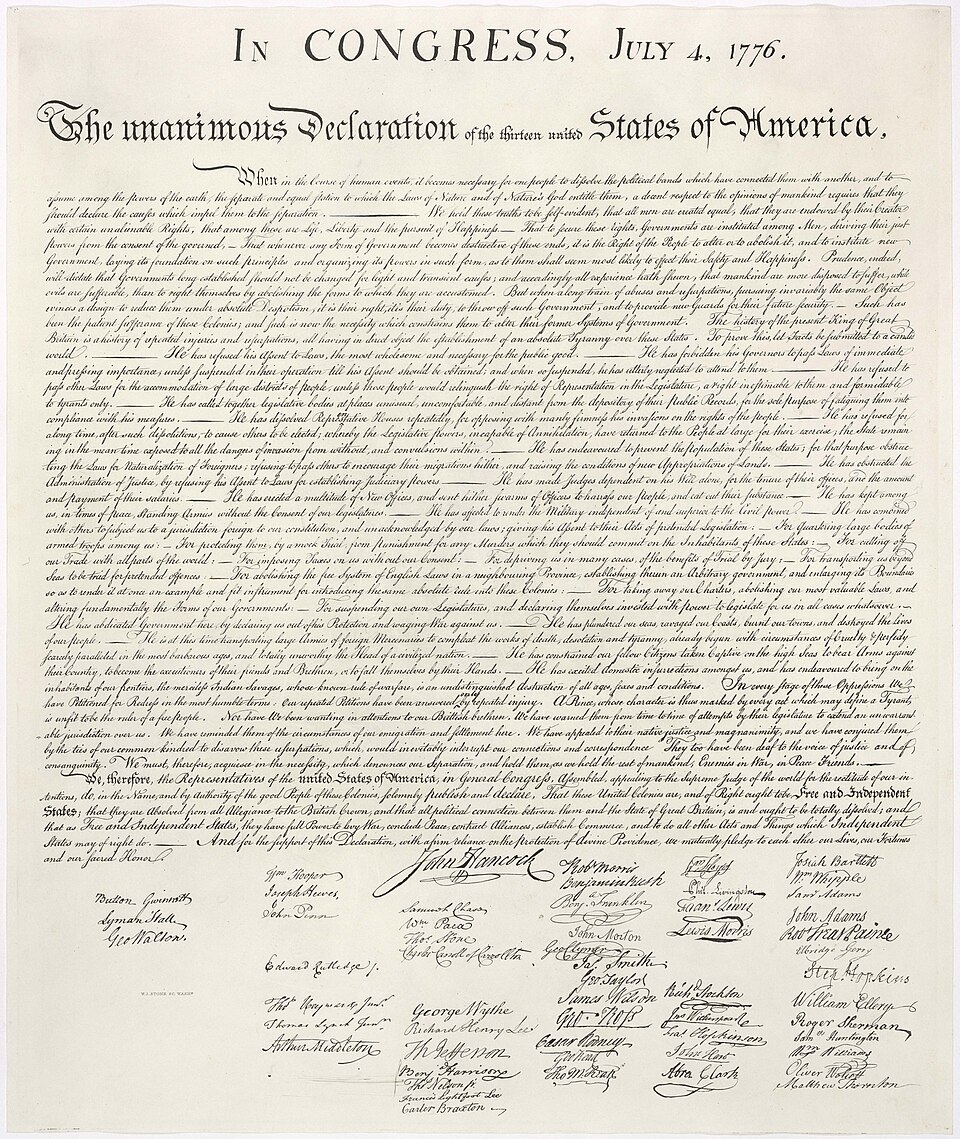
Inside a brick statehouse in Philadelphia, fifty-six men were about to commit treason against the most powerful empire on Earth — and they knew exactly what that could cost them.