The Longest Walk: Mandela's Last Steps to Freedom
After 27 years behind bars, a 71-year-old man had to relearn how to walk out of a prison gate — into a waiting world of cameras, crowds, and a country holding its breath.

On the morning of 11 February 1990, Nelson Mandela woke inside Victor Verster Prison near Paarl, South Africa, for the last time as a prisoner. He had spent 27 years in custody — first on Robben Island, then Pollsmoor Prison, and finally here — sentenced to life imprisonment after the 1962 Rivonia Trial for conspiring against the apartheid state. That morning, the man the world had waited decades to see was, for a few final hours, still officially in the government's custody.
President F. W. de Klerk had authorised his release amid mounting domestic unrest and international pressure, with fears that South Africa was edging toward racial civil war. The announcement had been building for days, and by the time the appointed hour approached, the eyes of the world — journalists, diplomats, ordinary South Africans — were fixed on the prison gates.
Mandela walked out of Victor Verster Prison that afternoon, 11 February 1990, a free man for the first time since 1962. He emerged not to silence but to a roar: crowds had gathered outside, and cameras beamed the image across the globe in real time. The scene became one of the most watched moments of the twentieth century — an elderly man in a suit, fist raised, stepping into daylight after nearly three decades away from it.
His wife Winnie Mandela walked beside him as he passed through the gates, the culmination of a campaign that had spanned continents and years, urging his release from a man the apartheid government had once branded a terrorist and a communist.
The walk itself was slow and deliberate, watched by a jubilant, disbelieving crowd who had grown up hearing his name spoken more often than his face was seen — for decades, publishing his photograph had been effectively banned in South Africa. For many in that crowd, this was the first time they had ever actually seen him.
More from History

The Morning Bingham Climbed to Machu Picchu
On a cold July morning in 1911, an American historian scrambled up a jungle-choked ridge above the Urubamba River — and by afternoon, a forgotten Inca citadel would belong to the world.

The Last Half-Hour of the Hindenburg
It was already half a day late, and the public had been told to keep away — but at seven o'clock that evening, the Hindenburg finally turned toward its mooring mast for the last time.

The Last Hours of Pompeii: August 24, 79 AD
By noon it was just another hot day beside the Bay of Naples. By evening, an entire mountain had rewritten the fate of thousands.

The Document Lincoln Signed on the First Day of 1863
On a single January morning, a president's pen would change the legal status of more than three million people — if the ink held and his hand did not shake.

The Day of the Dream: August 28, 1963
Two hundred and fifty thousand people converged on the National Mall that morning — by nightfall, one voice from the steps of the Lincoln Memorial would echo for generations.
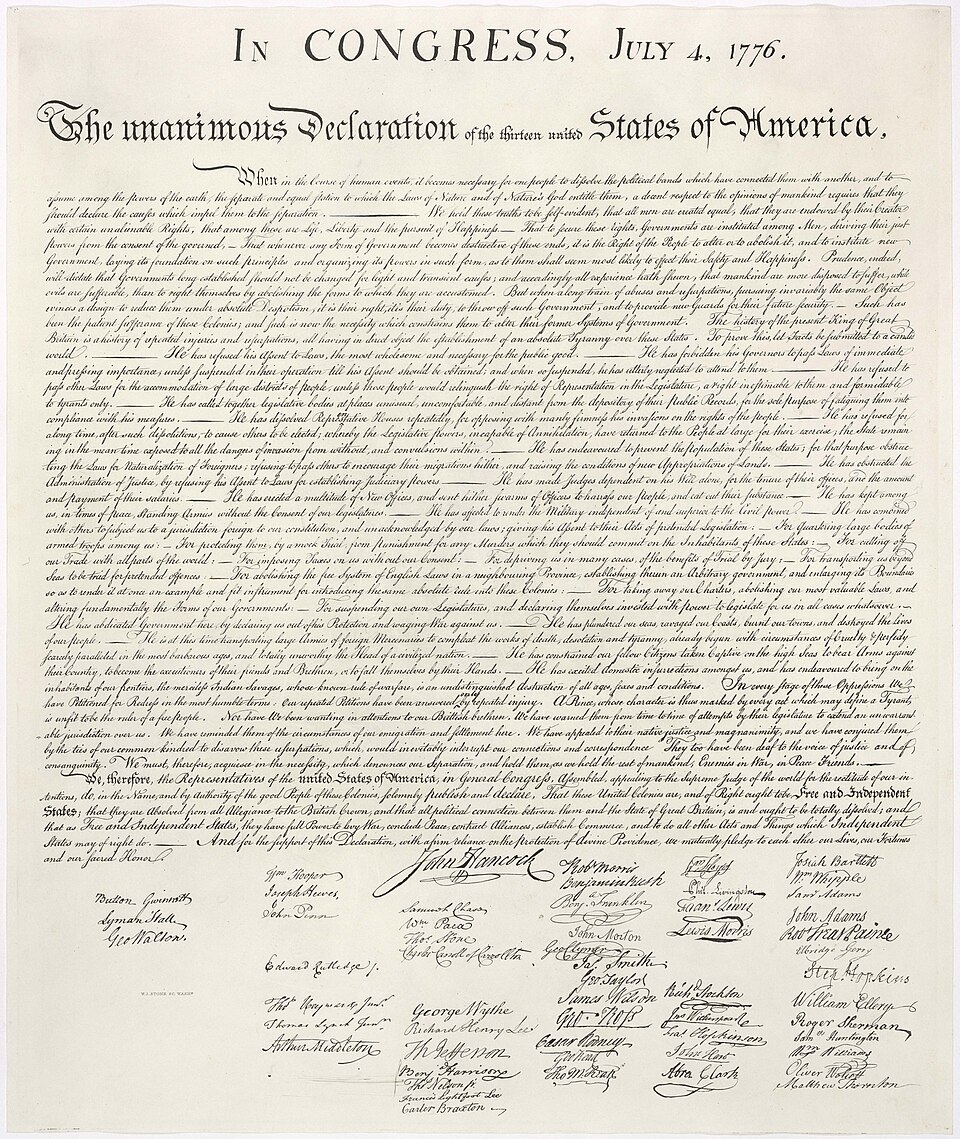
The Room Where They Signed Their Own Death Warrants
Inside a brick statehouse in Philadelphia, fifty-six men were about to commit treason against the most powerful empire on Earth — and they knew exactly what that could cost them.