A Signature Among Centuries
A pen touches paper, and a system that had lasted for millennia takes another step toward its end — but the story is far older, and far from finished.
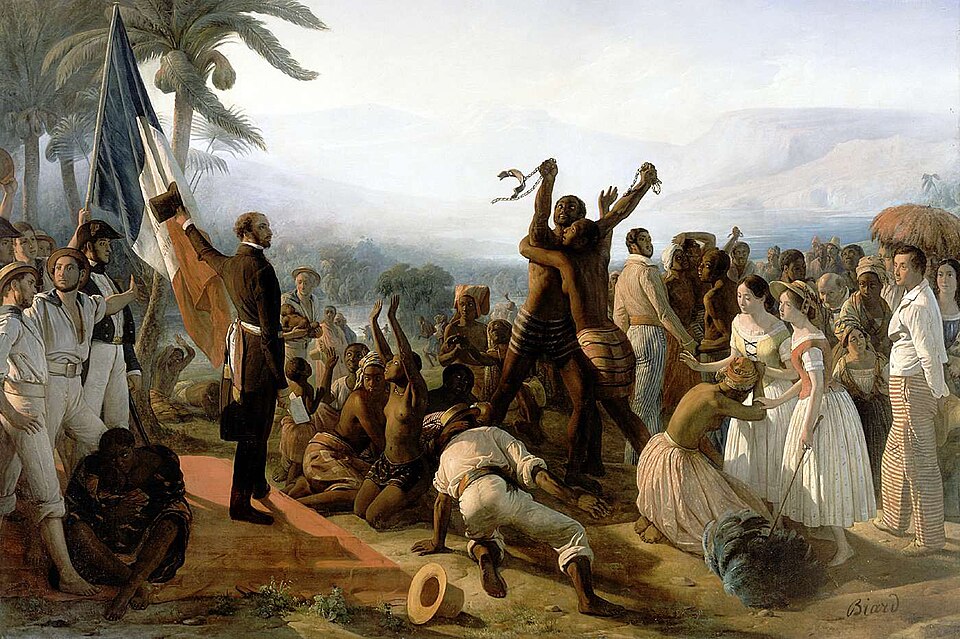
On a single page, at a single moment, someone signed a document that history would remember as part of the long unraveling of slavery. The image is powerful: an act of ink acting as an act of liberation. But the truth of the abolition of slavery is not found in one signature alone. It is found in a chain of separate laws and actions, stretched across centuries and continents, each one a small piece of a much larger and much slower dismantling.
The habit of regulating servitude is ancient. In classical antiquity, societies across Europe and the Near East wrestled with debt and bondage — not slavery itself, but the practice of extracting labor from those who owed debts. The reforms of Solon in Athens, the Lex Poetelia Papiria in Republican Rome, and rules recorded in the Hebrew Bible's Book of Deuteronomy all addressed this problem in their own ways. Each protected a particular group: Roman citizens under Roman law, Athenian citizens under Athenian law, Hebrews under the code of Deuteronomy after a set term of service.
What these ancient reforms shared was their limits. None of them abolished slavery as an institution. They regulated who could be enslaved and for how long, but foreigners and noncitizen subjects remained outside their protections. Freedom, when granted, was almost always a privilege of identity rather than a universal right.
Across the medieval period, further reforms appeared, chipping away at various forms of bondage in different regions. Yet many of these gains proved fragile. Historians note that numerous protections instituted in medieval times were reversed in the centuries that followed, showing how uneven and reversible the path toward freedom could be.
The story that unfolds from the 1500s onward is one of gradual, piecemeal legal action. Abolition rarely arrived as a single decisive blow. It often came first as the banning of the trade in enslaved people — the buying, selling, and transporting of humans across borders — and only later, sometimes decades later, as the abolition of slavery itself within empires and nations.
More from History

The Morning Bingham Climbed to Machu Picchu
On a cold July morning in 1911, an American historian scrambled up a jungle-choked ridge above the Urubamba River — and by afternoon, a forgotten Inca citadel would belong to the world.

The Last Half-Hour of the Hindenburg
It was already half a day late, and the public had been told to keep away — but at seven o'clock that evening, the Hindenburg finally turned toward its mooring mast for the last time.

The Last Hours of Pompeii: August 24, 79 AD
By noon it was just another hot day beside the Bay of Naples. By evening, an entire mountain had rewritten the fate of thousands.

The Longest Walk: Mandela's Last Steps to Freedom
After 27 years behind bars, a 71-year-old man had to relearn how to walk out of a prison gate — into a waiting world of cameras, crowds, and a country holding its breath.

The Document Lincoln Signed on the First Day of 1863
On a single January morning, a president's pen would change the legal status of more than three million people — if the ink held and his hand did not shake.

The Day of the Dream: August 28, 1963
Two hundred and fifty thousand people converged on the National Mall that morning — by nightfall, one voice from the steps of the Lincoln Memorial would echo for generations.