Burj Khalifa: The Tower That Outgrew Its Name
It was born as a debt-fueled dream called Burj Dubai — and by the time it opened, a financial crisis had already forced it to change its name and swallow a bailout.
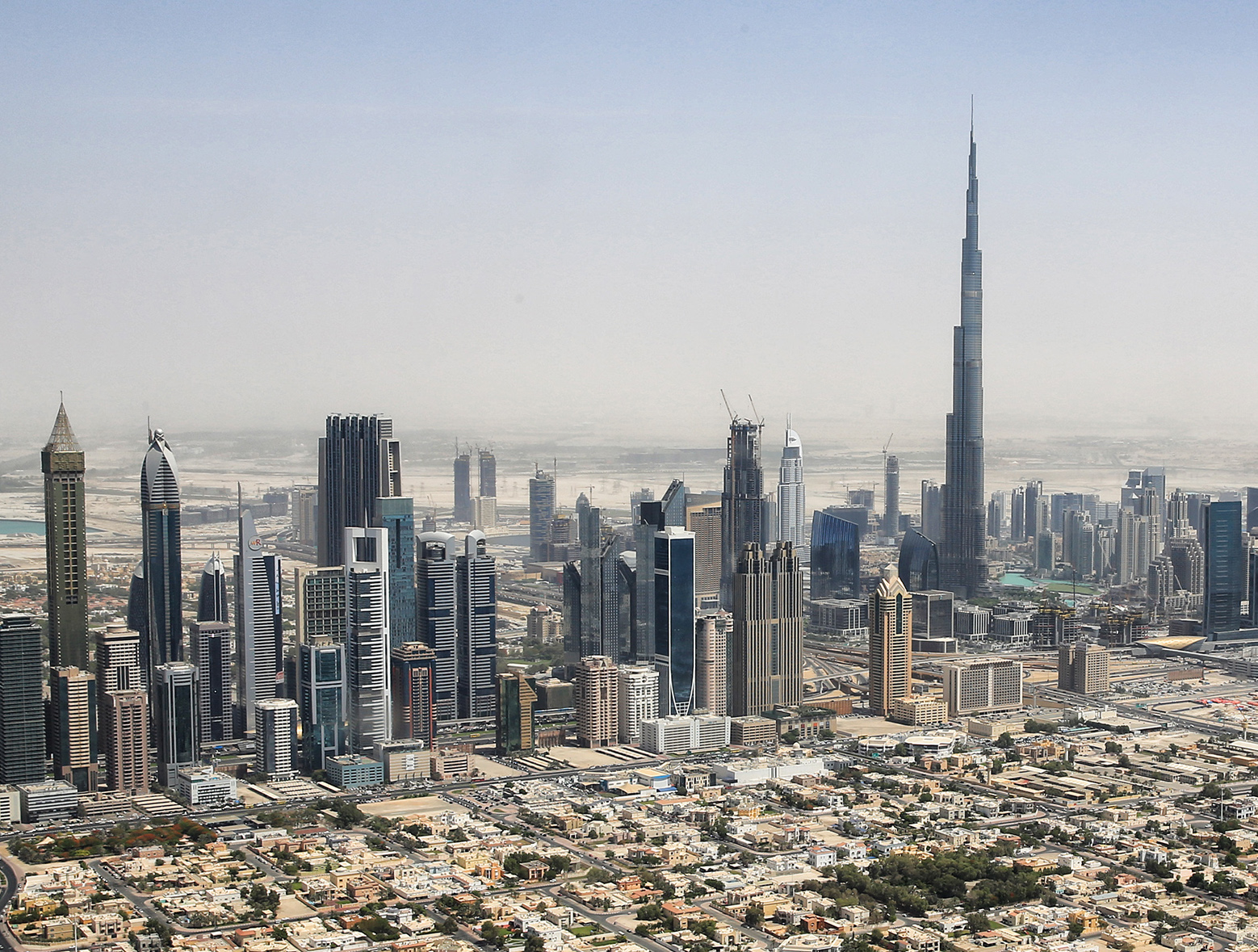
On 4 January 2010, in the desert heat of Downtown Dubai, a needle of concrete and steel officially opened to the world, reaching 828 meters into the sky — the tallest structure humanity had ever built. It had been known for years as Burj Dubai, but on its opening night the name changed to Burj Khalifa, in honor of Khalifa bin Zayed Al Nahyan, then president of the United Arab Emirates. The renaming was not simply ceremonial. It was a quiet acknowledgment of debt.
Construction had begun on 12 January 2004, with the exterior finished by 1 October 2009. The design came from Skidmore, Owings & Merrill of Chicago, the same firm behind the Willis Tower (formerly the Sears Tower), with Adrian Smith as chief architect and Bill Baker as chief structural engineer. Baker adapted Fazlur Rahman Khan's bundled tube design — first used in the Willis Tower — into a Y-shaped, tripartite structure with a buttressed central core and three wings, allowing the tower to rise while resisting Dubai's winds.
The primary contractor was Samsung C&T of South Korea, working alongside the Belgian firm BESIX and the local company Arabtec. The labor force was overwhelmingly made up of migrant workers from South Asia, and the project drew persistent criticism over their low wages and reports of confiscated passports — a human cost embedded in the record-breaking height.
The building's structural steel included material salvaged from the demolished Palace of the Republic in East Berlin, a strange thread connecting a symbol of Cold War-era East Germany to a monument of twenty-first-century Gulf ambition. The design itself drew from Islamic architecture, echoing the Great Mosque of Samarra in its geometry.
Burj Khalifa was never meant to stand alone. It was conceived as the centerpiece of Downtown Dubai, a 2-square-kilometer development intended to include 30,000 homes, nine hotels, three hectares of parkland, at least 19 residential towers, the Dubai Mall, and the artificial Burj Khalifa Lake. The ambition behind it was explicitly economic: Dubai wanted to pivot from an oil-based economy to one built on tourism and services, and officials believed a building this audacious would put the city on the world map.
More from Architecture

Stonehenge: The Stones That Refuse to Explain Themselves
For more than 4,500 years, a ring of leaning giants has watched the sun rise and set on the same two days each year — and no one alive can say for certain why.

The Dome That Refused to Fall
Two thousand years ago, Roman engineers poured a dome so vast that no one has dared build a bigger one from unreinforced concrete since. It still stands, open to the sky.

A Minaret Rising Over Kingsland Road
On a busy London street better known for shops and buses, the tallest minaret in Britain quietly reaches into the sky. Its story began not in Sinan's sixteenth-century Istanbul, but in 1990s Hackney.

The Bridge That Was Killed Twice
For 427 years it arched over the Neretva like a stone rainbow. Then, in a matter of days in 1993, it simply ceased to exist.

Hoover Dam: The Concrete That Tamed a River
In the scorched depths of Black Canyon, thousands of men built the largest concrete structure the world had ever seen — and finished it two years early, at a cost of over a hundred lives.

Neuschwanstein: The Castle Built for a Ghost
A king who despised his own palace built the most famous fairy-tale castle on earth — and died before he ever truly lived in it.