Hiroshima: A City Reborn from Ashes
On a morning in August 1945, a single bomb changed the course of history. Hiroshima, a city once known for its vibrant culture and strategic importance, was transformed into a symbol of human suffering and resilience.
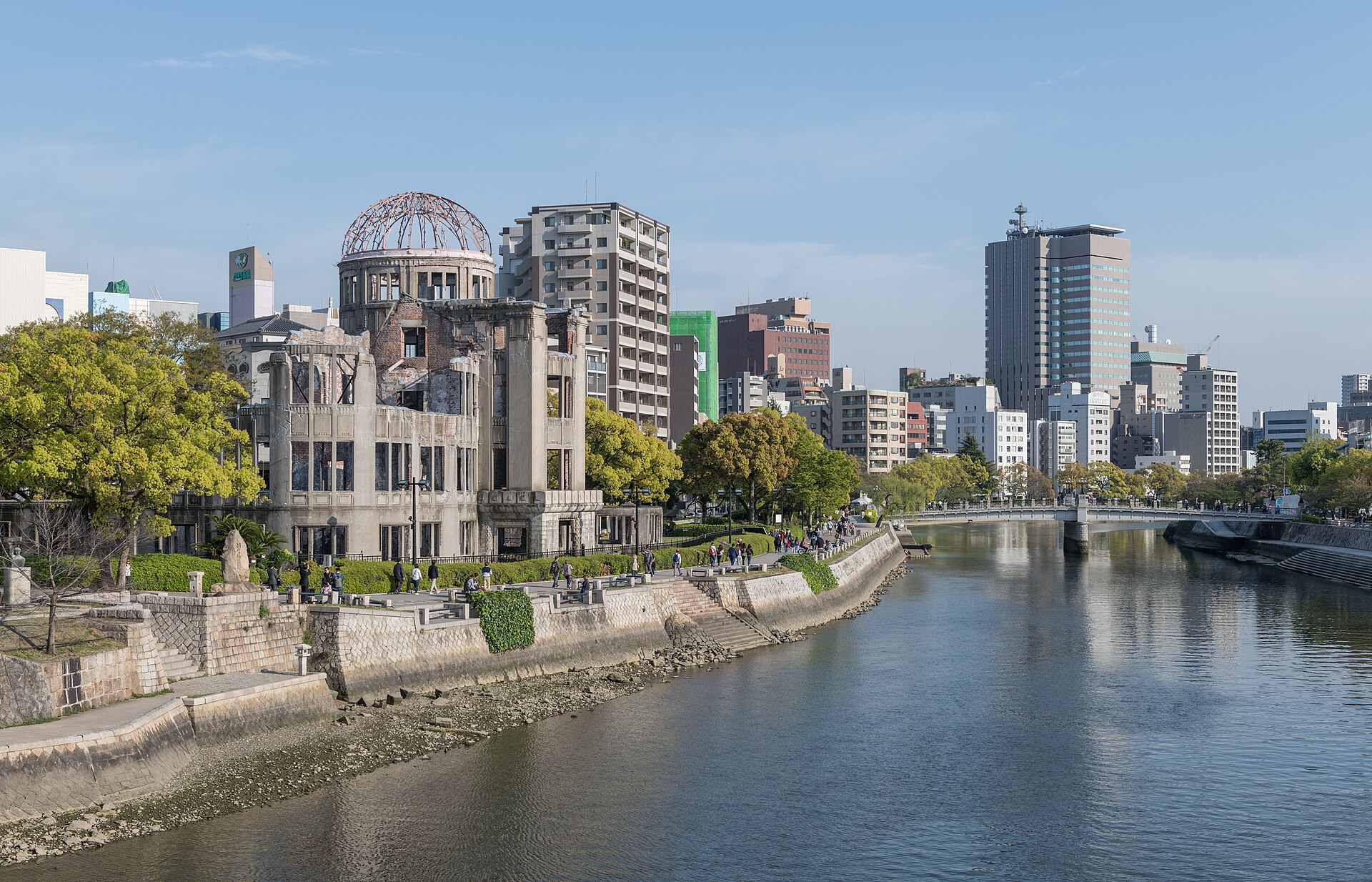
Hiroshima, the capital of Hiroshima Prefecture, was founded in 1589 as a castle town on the Ōta River delta. It grew into a significant urban center, with its role expanding during the Meiji Restoration. By 1889, it officially became a city, marking the start of its transformation into a major industrial hub. The city's strategic location and economic growth made it a key player in Japan's imperial ambitions.
During the late 19th and early 20th centuries, Hiroshima thrived as a center of military and industrial activity. The construction of the San'yō Railway and Ujina Harbor connected it to the rest of the country, while the city became a focal point for military operations. The Hiroshima Prefectural Commercial Exhibition Hall, built in 1915, stood as a symbol of its progress and prosperity. This building, later known as the A-Bomb Dome, remained the only structure left standing in the area after the atomic bombing, and is now preserved as part of a UNESCO World Heritage Site.
The atomic bombing of Hiroshima on August 6, 1945, marked a turning point in human history. The United States dropped the 'Little Boy' bomb at 8:15 a.m., causing immediate devastation. The explosion killed at least 70,000 people, with thousands more dying from injuries and radiation exposure in the following months. The city, once home to around 345,000 people, was left in ruins, with 70% of its buildings destroyed.
In the aftermath, the occupation authorities imposed strict censorship, restricting information about the bombing. The public release of film footage and casualty statistics was delayed until the Treaty of San Francisco in 1951. Despite this, the city's survivors became a powerful voice for peace and remembrance. Their stories, told in works like John Hersey's 'Hiroshima,' reached a global audience, highlighting the human cost of war.
The legacy of the bombing shaped Hiroshima's postwar identity. The city became a beacon of peace, with the Hiroshima Peace Memorial serving as a powerful reminder of the horrors of nuclear warfare. The city's commitment to peace and reconciliation has been a defining feature of its recovery and growth. Today, Hiroshima is the largest city in the Chūgoku region, a testament to its resilience and determination.
More from History

The Morning Bingham Climbed to Machu Picchu
On a cold July morning in 1911, an American historian scrambled up a jungle-choked ridge above the Urubamba River — and by afternoon, a forgotten Inca citadel would belong to the world.

The Last Half-Hour of the Hindenburg
It was already half a day late, and the public had been told to keep away — but at seven o'clock that evening, the Hindenburg finally turned toward its mooring mast for the last time.

The Last Hours of Pompeii: August 24, 79 AD
By noon it was just another hot day beside the Bay of Naples. By evening, an entire mountain had rewritten the fate of thousands.

The Longest Walk: Mandela's Last Steps to Freedom
After 27 years behind bars, a 71-year-old man had to relearn how to walk out of a prison gate — into a waiting world of cameras, crowds, and a country holding its breath.

The Document Lincoln Signed on the First Day of 1863
On a single January morning, a president's pen would change the legal status of more than three million people — if the ink held and his hand did not shake.

The Day of the Dream: August 28, 1963
Two hundred and fifty thousand people converged on the National Mall that morning — by nightfall, one voice from the steps of the Lincoln Memorial would echo for generations.