Midway: The Four Minutes That Broke an Empire
Six months after Pearl Harbor, Japan sailed into the Pacific believing it held every card — but American codebreakers had already read its hand.
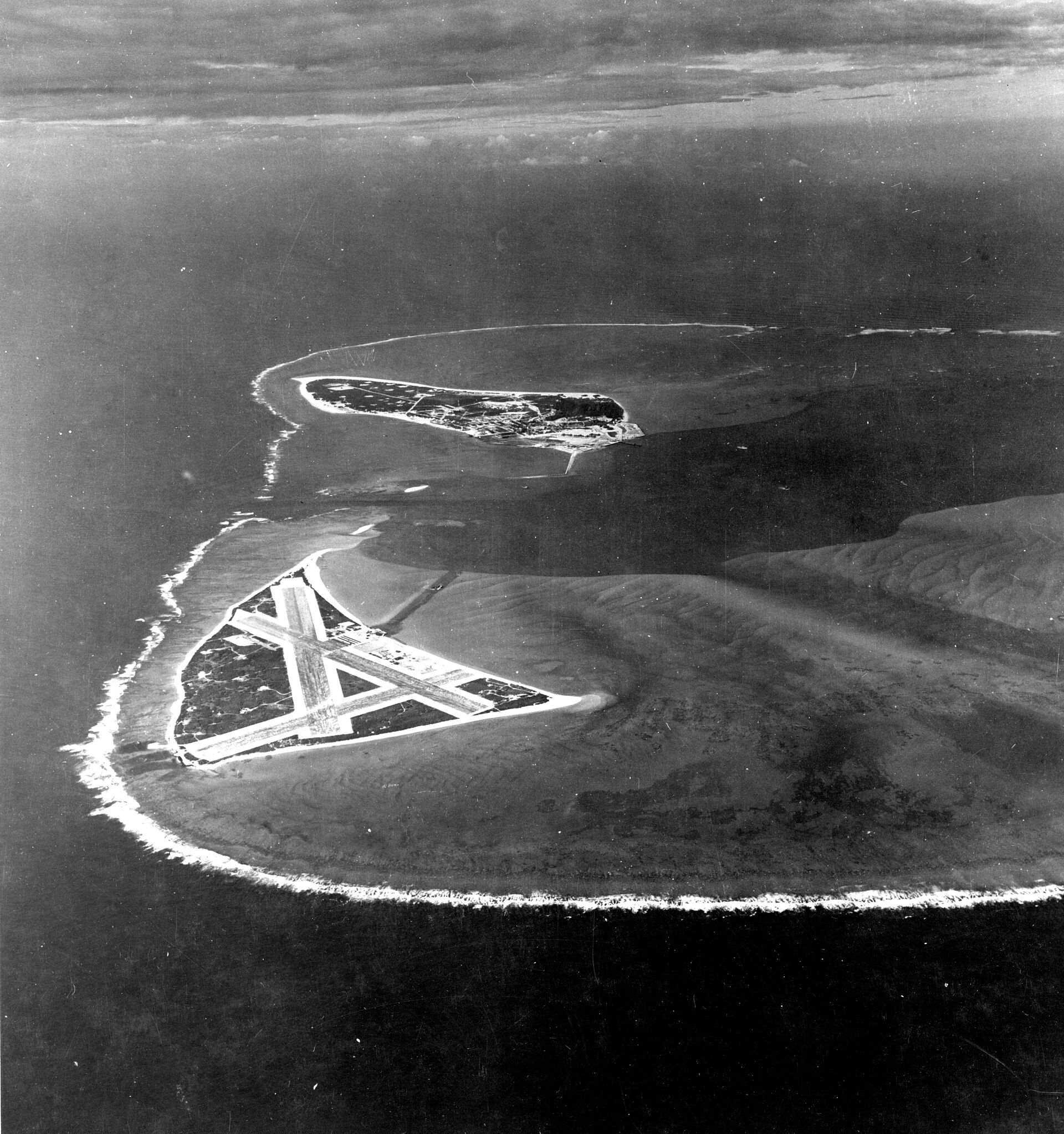
In the spring of 1942, Admiral Isoroku Yamamoto believed he had found the perfect trap. His Combined Fleet would strike a tiny American atoll called Midway, drawing the U.S. Pacific Fleet's carriers out to be destroyed once and for all. The plan followed the shock of the Doolittle Raid on 18 April 1942, when sixteen American B-25 bombers, launched from USS Hornet, struck Tokyo and other cities. The raid did little physical damage but exposed a gap in Japan's home defenses, and Yamamoto grew fixated on eliminating America's carriers, the one force he saw as a genuine threat to Japan's Pacific ambitions.
An attack on Pearl Harbor itself was judged too risky, given the buildup of American land-based airpower since December 1941. Instead, Yamamoto chose Midway, an atoll roughly 1,300 miles northwest of Oahu, at the far edge of the Hawaiian chain. Midway was not, in itself, strategically vital to Japan — but Yamamoto calculated that the Americans would defend it fiercely, and that calculation proved correct.
Yamamoto's design, codenamed Operation MI, was elaborate and dispersed his forces widely across the ocean, leaving the strike force under Chuichi Nagumo, the Kidō Butai, without effective support from the rest of the fleet. A related diversionary assault on the Aleutian Islands began a day earlier, on 3 June 1942. But the entire scheme depended on secrecy and precise timing — and both had already been compromised.
Unknown to Yamamoto, American code breakers had deciphered the date and target of his operation. Chester Nimitz, commander of the U.S. Pacific Fleet, used this intelligence to send a powerful force under Frank Jack Fletcher to wait near Midway before the Japanese ships ever arrived. The ambush Yamamoto had planned for the Americans was, in truth, being laid for him.
On 4 June, Japanese aircraft began bombing Midway's defenses, with Nagumo's carriers expecting to face the American fleet only once it sortied from Pearl Harbor. Instead, land-based planes from Midway and carrier aircraft from the American fleet struck Nagumo's force by surprise. In a battle fought largely from the air, all four Japanese fleet carriers present — Akagi, Kaga, Sōryū, and Hiryū — were sunk, along with the heavy cruiser Mikuma.dz.
More from History

The Morning Bingham Climbed to Machu Picchu
On a cold July morning in 1911, an American historian scrambled up a jungle-choked ridge above the Urubamba River — and by afternoon, a forgotten Inca citadel would belong to the world.

The Last Half-Hour of the Hindenburg
It was already half a day late, and the public had been told to keep away — but at seven o'clock that evening, the Hindenburg finally turned toward its mooring mast for the last time.

The Last Hours of Pompeii: August 24, 79 AD
By noon it was just another hot day beside the Bay of Naples. By evening, an entire mountain had rewritten the fate of thousands.

The Longest Walk: Mandela's Last Steps to Freedom
After 27 years behind bars, a 71-year-old man had to relearn how to walk out of a prison gate — into a waiting world of cameras, crowds, and a country holding its breath.

The Document Lincoln Signed on the First Day of 1863
On a single January morning, a president's pen would change the legal status of more than three million people — if the ink held and his hand did not shake.

The Day of the Dream: August 28, 1963
Two hundred and fifty thousand people converged on the National Mall that morning — by nightfall, one voice from the steps of the Lincoln Memorial would echo for generations.