Paititi: The City the Jungle Refuses to Give Up
For five centuries, explorers have vanished into the green wall of the Amazon chasing a city of gold that may never have existed — or may still be waiting.
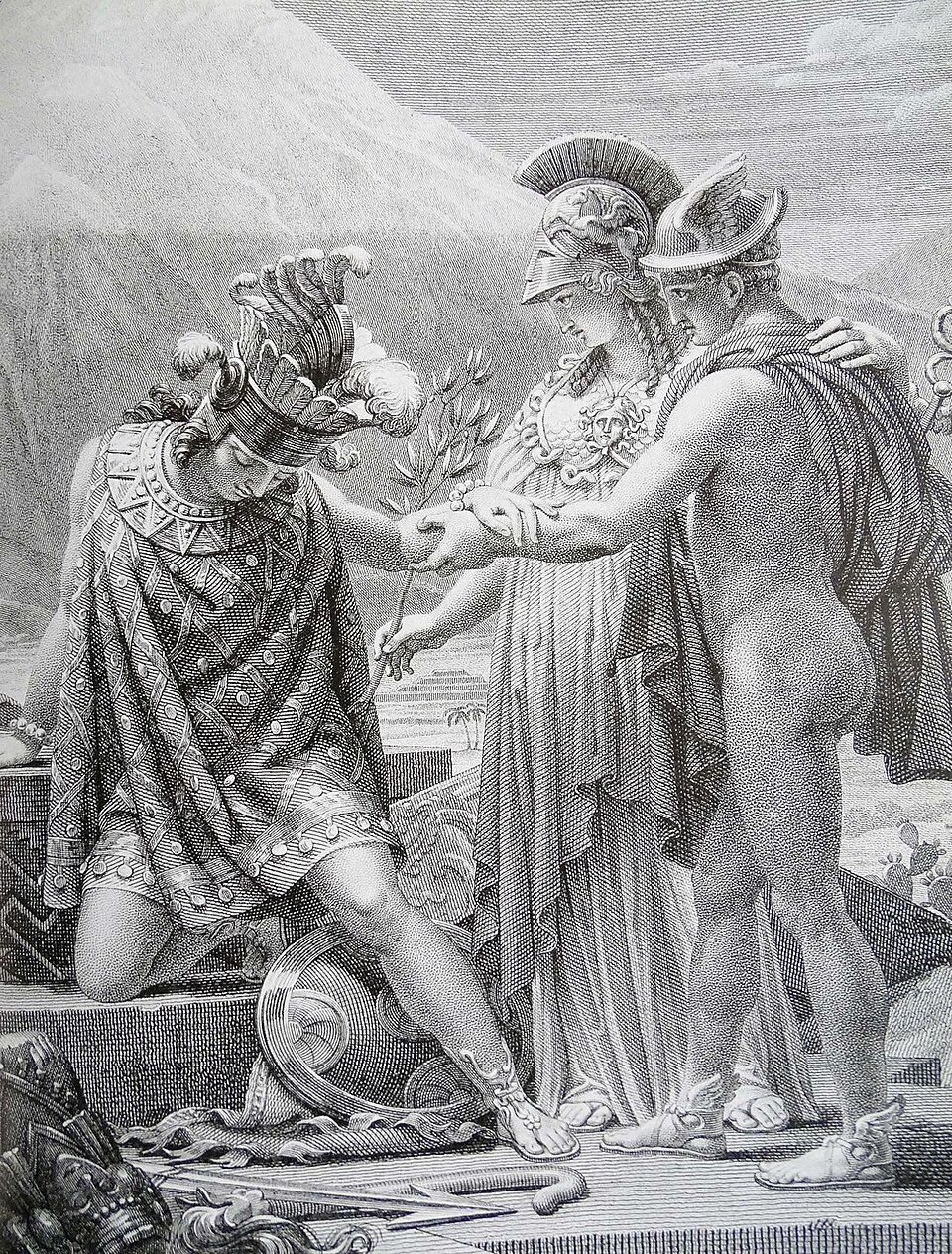
The legend begins with a king who walked away. In Peru, the story of Paititi is tied to Inkarri, a culture-hero said to have founded Q'ero and Cusco before retreating into the jungles of Pantiacolla to spend his remaining days in a hidden refuge city called Paititi. Other tellings place this Inca sanctuary not in Peru at all, but somewhere along the remote border between Bolivia and Brazil, east of the Andes, swallowed by rainforest that has never been fully mapped.
The legend gained new life in 2001, when Italian archaeologist Mario Polia found a document in the Jesuit archives in Rome. Written around 1600 by a missionary named Andres Lopez, it described a jungle city called Paititi by the natives, rich in gold, silver, and jewels. Lopez reported his findings to the Pope, and his account centered on a miracle supposedly performed by a crucifix carried into the city by baptized Indians. But Lopez himself never reached Paititi — his report was third-hand, built on native testimony, not eyewitness proof.
Lopez's account was hardly alone. Colonial-era documents from Juan Álvarez Maldonado in 1570, Gregorio Bolívar in 1621, Juan Recio de León in 1623–27, Juan de Ojeda in 1676, and Diego de Eguiluz in 1696 all reference Paititi, its rumored locations, and the expeditions sent to find it. The obsession, it seems, is as old as the colonial encounter itself.
In 2001, researchers Ari Siiriäinen and Martti Pärssinen of the University of Helsinki proposed that the Paititi legend might connect to real Inca military expeditions into the Amazon, particularly around the Beni and Madre de Dios rivers. A joint Finnish-Bolivian expedition excavated a fortified site called Las Piedras near Riberalta between 2001 and 2003, uncovering fragments of imperial Inca ceramics — tantalizing, though the site's Inca origins remain unproven.
The search has not been without cost. In 1925, Percy Harrison Fawcett vanished in Mato Grosso, Brazil, searching for a lost city. In 1971, a French-American expedition led by Bob Nichols, Serge Debru, and Georges Puel traveled up the Rio Pantiacolla — their guides abandoned them after thirty days, and the three men were never seen again. Japanese explorer Yoshiharu Sekino later confirmed with local Machiguenga Indians that the expedition had been killed. In 1997, Lars Hafskjold disappeared in unexplored Bolivia while chasing the same dream.
More from Treasures

The Legend of the Nazi Gold Train
Somewhere beneath the hills of Poland, rumor insists, a train loaded with looted treasure vanished into a tunnel and was never seen again. The story survives because the plunder behind it was terrifyingly real.

The Treasure List Carved in Copper
While every other Dead Sea Scroll was written on parchment or papyrus, one was hammered into metal — a list of buried gold and silver that no one has ever found.

The Diamond That Vanished for a Century
For decades, treasure hunters and novelists spun theories about a lost 137-carat gem — sold, recut, melted into legend. It was sitting in a Quebec bank vault the entire time.

Gold, Ghosts, and the Mountain That Keeps Its Secret
For over a century, treasure hunters have vanished into a jagged Arizona range chasing a fortune that may never have existed at all. What they left behind was not gold, but one of America's most enduring legends.

The King Who Buried a River
When Rome finally cornered the Dacian king, it wasn't a sword that gave up his secret — it was a traitor's whisper about a riverbed.

The Fortune Dutch Schultz Took to His Grave
He asked New York's mob bosses for permission to kill a federal prosecutor — and when they said no, he disobeyed them anyway. It was a decision that would end his life and leave behind a fortune that has never been found.