The Cake Quote Nobody Can Prove
Everyone 'knows' Marie Antoinette sneered that the starving should eat cake. The historical record of the Revolution itself never says so.
The line is one of the most repeated in Western memory: a queen, told that peasants had no bread, allegedly shrugging that they should eat cake instead. It is treated as a shorthand for the entire French Revolution — proof that the monarchy was so detached from suffering that its collapse was inevitable. The trouble is that nothing in the documented history of the Revolution's causes ties this sentence to Marie Antoinette, or indeed to any specific person at all.
What the record actually describes is a slow-building structural crisis. Between 1715 and 1789 France's population grew from 21 to 28 million, while living standards for wage laborers and tenant peasants fell even as overall prosperity rose. Economic recession from 1785 and disastrous harvests in 1787 and 1788 pushed unemployment and food prices upward together, creating exactly the kind of hunger the cake anecdote gestures toward — but the sources that lay this out never invoke the queen's name to explain it.
The fiscal side of the crisis is even better documented, and it has nothing to do with any royal remark about pastry. France had borrowed heavily to fund its involvement in the 1778–1783 Anglo-French War, and by 1788 half of state revenue went simply to servicing debt. Finance minister Calonne proposed a universal land tax and the abolition of internal tariffs in 1786; nobles and regional parlements rejected the plan and insisted only an Estates-General, unconvened since 1614, could approve new taxes.
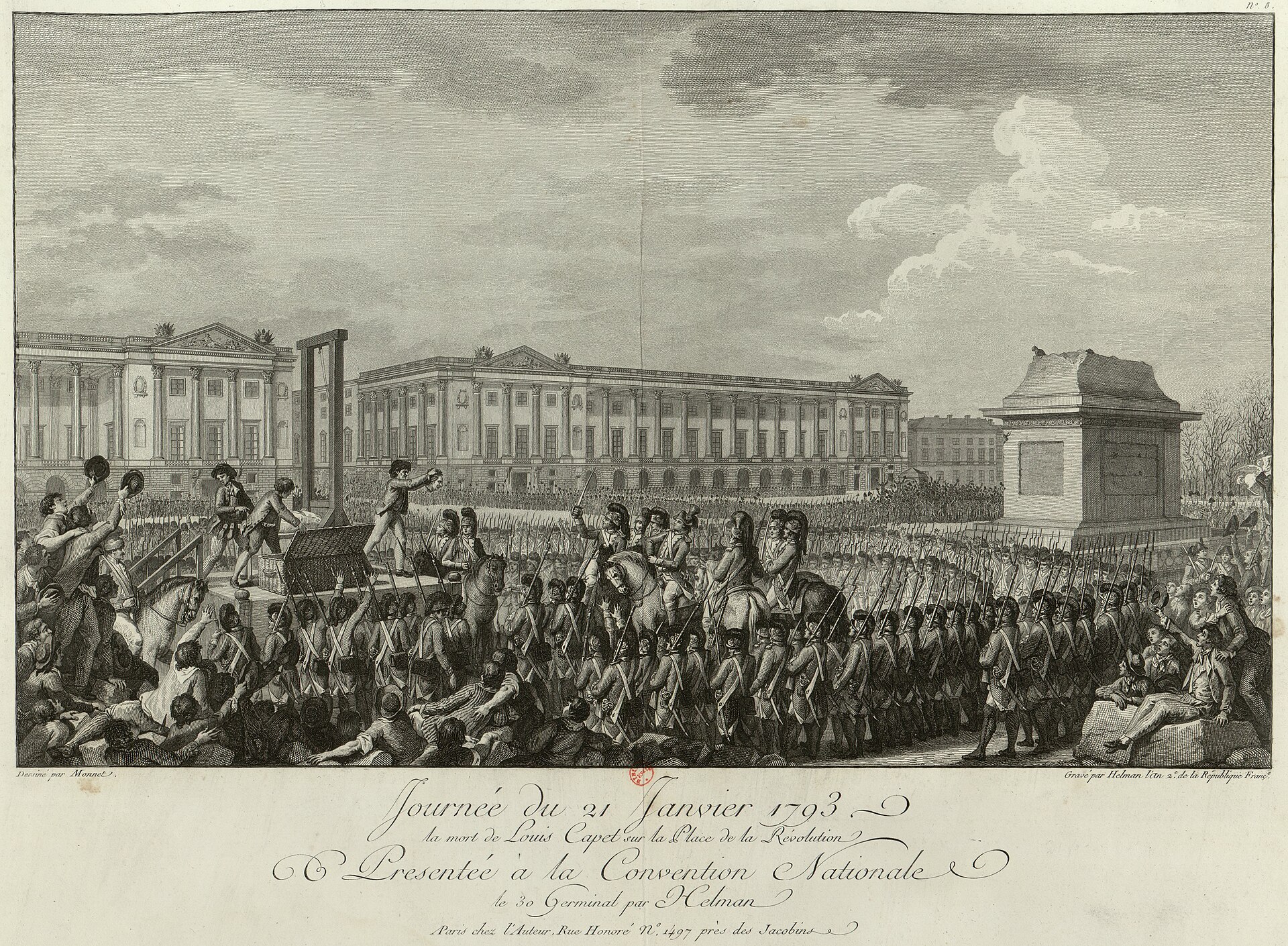
That standoff — not a single quotable insult — is what actually radicalized the country. The Estates General finally met in May 1789, the Third Estate broke away to form a National Assembly in June, and the Bastille fell on 14 July. From there came the abolition of feudal privilege, the Declaration of the Rights of Man, the king's failed flight to Varennes in 1791, and eventually his execution in January 1793. None of these turning points, as documented, hinge on anything the queen is supposed to have said about bread.
Turkish-language accounts of the Revolution's causes tell the same story from a different angle: an educated bourgeoisie absorbing Enlightenment ideas from Montesquieu, Voltaire, Rousseau, and Diderot; a rural population crushed by taxes; a monarchy that kept choosing old methods for new problems. Scandals like the Affair of the Diamond Necklace are mentioned as fuel for anger at the court and clergy — but again, the cake line itself simply does not appear as part of the historical explanation.
More from History

The Morning Bingham Climbed to Machu Picchu
On a cold July morning in 1911, an American historian scrambled up a jungle-choked ridge above the Urubamba River — and by afternoon, a forgotten Inca citadel would belong to the world.

The Last Half-Hour of the Hindenburg
It was already half a day late, and the public had been told to keep away — but at seven o'clock that evening, the Hindenburg finally turned toward its mooring mast for the last time.

The Last Hours of Pompeii: August 24, 79 AD
By noon it was just another hot day beside the Bay of Naples. By evening, an entire mountain had rewritten the fate of thousands.

The Longest Walk: Mandela's Last Steps to Freedom
After 27 years behind bars, a 71-year-old man had to relearn how to walk out of a prison gate — into a waiting world of cameras, crowds, and a country holding its breath.

The Document Lincoln Signed on the First Day of 1863
On a single January morning, a president's pen would change the legal status of more than three million people — if the ink held and his hand did not shake.

The Day of the Dream: August 28, 1963
Two hundred and fifty thousand people converged on the National Mall that morning — by nightfall, one voice from the steps of the Lincoln Memorial would echo for generations.