The First Nobel Day: Oslo, 10 December 1901
Five years after a dynamite magnate's death, the world's first Nobel Prizes were handed out on a single winter afternoon — and one of them was for peace.
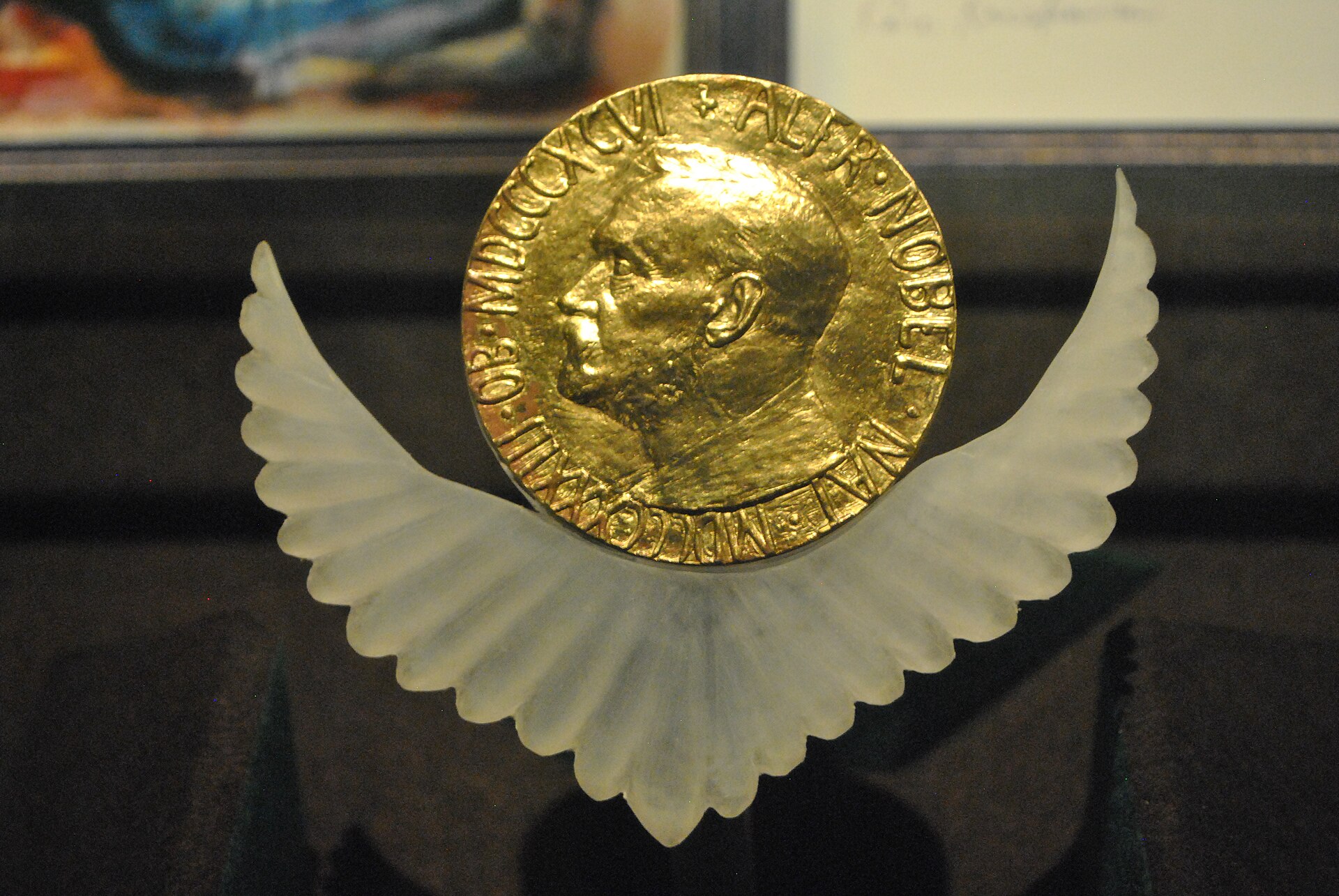
On the morning of 10 December 1901, the fifth anniversary of Alfred Nobel's death, Oslo prepared for something that had never happened before: the first award of the prize he had dreamed up in his will — one meant not for explosives or engineering, but for those who had done the most for 'fraternity between nations' and the reduction of standing armies.
The setting was not yet the grand Oslo City Hall that later generations would associate with the ceremony — that building did not exist. Instead, the very first Nobel Peace Prize was presented inside the Storting, the Norwegian Parliament building, the venue used for the ceremony from 1901 through 1904.
By the terms of Nobel's will, the Peace Prize alone among his five prizes was to be chosen by a Norwegian body, a five-member Norwegian Nobel Committee appointed by the Parliament — a striking arrangement given that Norway and Sweden were then still joined in union. While the Chemistry, Physics, Literature, and Physiology or Medicine prizes were being awarded that same season in Stockholm, Oslo hosted its own, separate observance, a distinction the Peace Prize has held ever since as the only Nobel not presented in the Swedish capital.
Inside the Storting, the chairman of the Norwegian Nobel Committee stood to present the award, following what would become an annual custom: delivering the Peace Prize in the presence of the King of Norway and the Norwegian royal family.
Earlier that same year, Gustav Vigeland, a Norwegian sculptor, had completed his design for the Peace Prize medal — a piece distinct from the medals Erik Lindberg had designed for the other four Nobel categories. Since Vigeland was not himself trained in engraving, the actual dies for his design were cut by Lindberg. The medal's reverse bore three men bound in a fraternal knot and the Latin inscription 'Pro pace et fraternitate gentium' — 'For the peace and fraternity of nations.' Whoever received the medal that December day held, along with a diploma and prize money, this freshly minted object that would become the physical emblem of the prize for generations to come.
More from History

The Morning Bingham Climbed to Machu Picchu
On a cold July morning in 1911, an American historian scrambled up a jungle-choked ridge above the Urubamba River — and by afternoon, a forgotten Inca citadel would belong to the world.

The Last Half-Hour of the Hindenburg
It was already half a day late, and the public had been told to keep away — but at seven o'clock that evening, the Hindenburg finally turned toward its mooring mast for the last time.

The Last Hours of Pompeii: August 24, 79 AD
By noon it was just another hot day beside the Bay of Naples. By evening, an entire mountain had rewritten the fate of thousands.

The Longest Walk: Mandela's Last Steps to Freedom
After 27 years behind bars, a 71-year-old man had to relearn how to walk out of a prison gate — into a waiting world of cameras, crowds, and a country holding its breath.

The Document Lincoln Signed on the First Day of 1863
On a single January morning, a president's pen would change the legal status of more than three million people — if the ink held and his hand did not shake.

The Day of the Dream: August 28, 1963
Two hundred and fifty thousand people converged on the National Mall that morning — by nightfall, one voice from the steps of the Lincoln Memorial would echo for generations.