The French Revolution: A Revolution of Ideas and People
In the summer of 1789, a storm broke over Paris, and with it, a nation's fate was rewritten. The fall of the Bastille marked the beginning of a revolution that would shake the world.
The French Revolution began in 1789 as a response to deepening financial and social crises. The monarchy, burdened by debt, failed to address the needs of its people. In May 1789, the Estates General was called to reform the system—its first meeting since 1614—but tensions flared as the Third Estate demanded greater representation. Their frustration led to the formation of the National Assembly in June, setting the stage for a dramatic shift in power.
As the revolution unfolded, the people of Paris took to the streets, demanding change. The Storming of the Bastille on 14 July 1789 became a symbol of resistance against tyranny. This act ignited a wave of radical measures, including the abolition of feudalism and the Declaration of the Rights of Man and of the Citizen, which became a cornerstone of the revolution, promising liberty and equality.
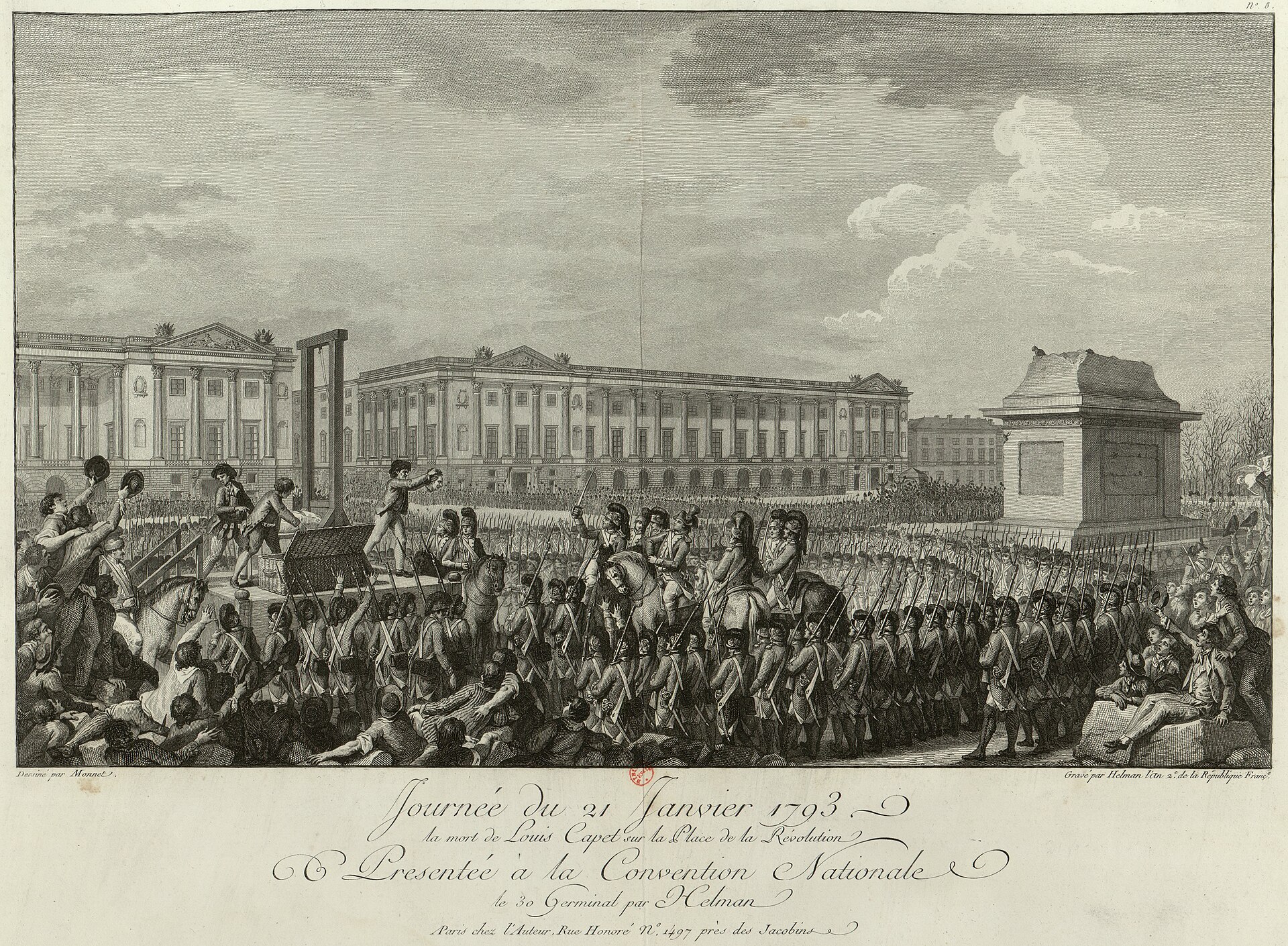
The next three years were marked by political turmoil and conflict. King Louis XVI's failed attempt to flee to Varennes in June 1791 further eroded his credibility. The French Revolutionary Wars, which began in 1792, and the military defeats that followed led to the collapse of the monarchy and the rise of the First Republic in September of that year. The execution of Louis XVI in January 1793 solidified the revolution's commitment to dismantling the old order.
As the revolution grew more radical, political power passed to the Committee of Public Safety, dominated by radical Jacobins led by Maximilien Robespierre. During the Reign of Terror, from 1793 to 1794, about 16,000 people were sentenced by the Revolutionary Tribunal and executed. The Terror was a response to internal and external threats, but it also spread fear and instability. The Thermidorian Reaction in July 1794 brought it to an end, but the revolution had already changed the course of history.
Despite its radical phase, the French Revolution laid the foundation for modern liberal democracy. It introduced ideas of equality and popular sovereignty that continue to shape political thought today. The revolution's ideals, though often contested, became central to French identity and governance.
More from History

The Morning Bingham Climbed to Machu Picchu
On a cold July morning in 1911, an American historian scrambled up a jungle-choked ridge above the Urubamba River — and by afternoon, a forgotten Inca citadel would belong to the world.

The Last Half-Hour of the Hindenburg
It was already half a day late, and the public had been told to keep away — but at seven o'clock that evening, the Hindenburg finally turned toward its mooring mast for the last time.

The Last Hours of Pompeii: August 24, 79 AD
By noon it was just another hot day beside the Bay of Naples. By evening, an entire mountain had rewritten the fate of thousands.

The Longest Walk: Mandela's Last Steps to Freedom
After 27 years behind bars, a 71-year-old man had to relearn how to walk out of a prison gate — into a waiting world of cameras, crowds, and a country holding its breath.

The Document Lincoln Signed on the First Day of 1863
On a single January morning, a president's pen would change the legal status of more than three million people — if the ink held and his hand did not shake.

The Day of the Dream: August 28, 1963
Two hundred and fifty thousand people converged on the National Mall that morning — by nightfall, one voice from the steps of the Lincoln Memorial would echo for generations.