The Journey of the Prophet
In the year 622, a man left his home in Mecca to escape persecution and seek a new beginning. His name was Muhammad, and his journey would change the course of history.
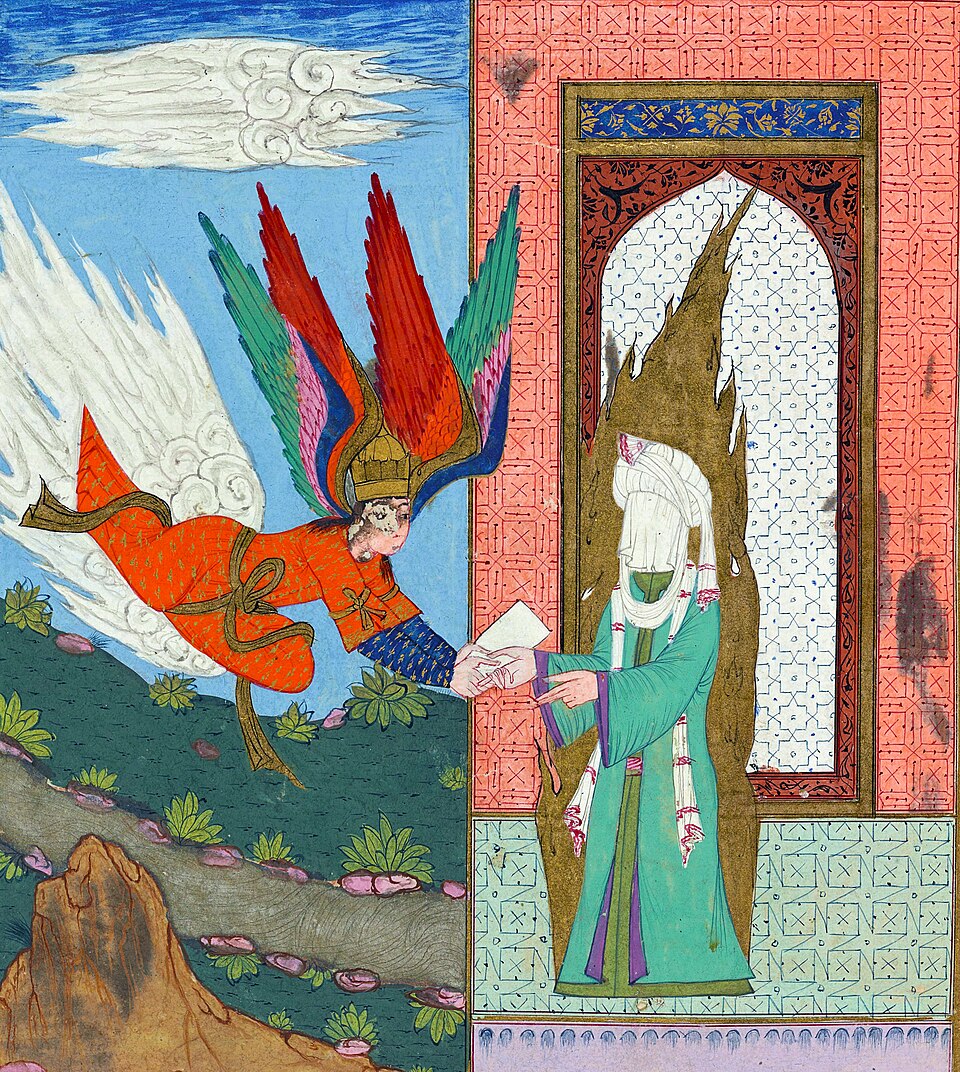
Muhammad had spent years preaching in Mecca, but the city's leaders had turned against him. His followers faced boycott, torture, and even killing at the hands of the Meccans. Toward the end of that decade, Muhammad's uncle Abu Talib, who had supported him amidst the leaders of Mecca, died. Finally, the leaders of Mecca plotted Muhammad's assassination. Faced with these threats, Muhammad made the bold decision to leave his homeland and seek refuge in Medina.
Medina was a city of contrasts. It was a verdant oasis, rich with water and fertile land, but it was also home to a diverse mix of people, including Arab tribes and Jewish clans. According to Muslim sources, the city had been founded by Jews, and its people had long struggled with internal conflicts. It was in this place, full of both promise and tension, that Muhammad hoped to find safety and a new community.
Muhammad's path to Medina was not immediate. By 620, having lost hope of winning converts among his own townspeople, he turned to the non-Meccans who attended fairs or made pilgrimages to the city. There he met six members of the Banu Khazraj, one of Medina's Arab tribes, who had been warned by the Jews of their region that a prophet would soon come. Recognizing him as that prophet, they embraced his message and returned home, hoping that if the Khazraj and their long-standing rivals, the Aws, accepted Islam and Muhammad as their leader, unity could at last be achieved between the two tribes.
In 621, a group of converts from Medina met Muhammad again at the al-Aqabah mountain pass, just north of Mecca. There they took a pledge known as the 'pledge of women,' so called because it contained no obligation to fight; at its heart was the promise to renounce idols, affirm Allah as the only deity, and accept Muhammad as their leader. Muhammad entrusted Mus'ab ibn Umayr to accompany them back to Medina and promote Islam there, and the city began to take notice of his growing influence. The following year, seventy-five Medinan converts returned to al-Aqabah and pledged to protect Muhammad as they would their own women and children.
By 622, Muhammad had gained more followers, and he knew it was time to move. He instructed his followers to relocate to Medina, while he stayed behind in Mecca to watch over them and ensure their safe departure. Some of the Quraysh tried to dissuade their family members from leaving, but in the end, no Muslims were left in Mecca. Muhammad regarded this migration as an expulsion by the Quraysh, and he prepared to leave himself, knowing the risks he faced.
More from History

The Morning Bingham Climbed to Machu Picchu
On a cold July morning in 1911, an American historian scrambled up a jungle-choked ridge above the Urubamba River — and by afternoon, a forgotten Inca citadel would belong to the world.

The Last Half-Hour of the Hindenburg
It was already half a day late, and the public had been told to keep away — but at seven o'clock that evening, the Hindenburg finally turned toward its mooring mast for the last time.

The Last Hours of Pompeii: August 24, 79 AD
By noon it was just another hot day beside the Bay of Naples. By evening, an entire mountain had rewritten the fate of thousands.

The Longest Walk: Mandela's Last Steps to Freedom
After 27 years behind bars, a 71-year-old man had to relearn how to walk out of a prison gate — into a waiting world of cameras, crowds, and a country holding its breath.

The Document Lincoln Signed on the First Day of 1863
On a single January morning, a president's pen would change the legal status of more than three million people — if the ink held and his hand did not shake.

The Day of the Dream: August 28, 1963
Two hundred and fifty thousand people converged on the National Mall that morning — by nightfall, one voice from the steps of the Lincoln Memorial would echo for generations.