The Long Road to Freedom
In the shadow of empire, a nation rose. From the ashes of colonial rule, a dream took shape — one that would change the course of history.
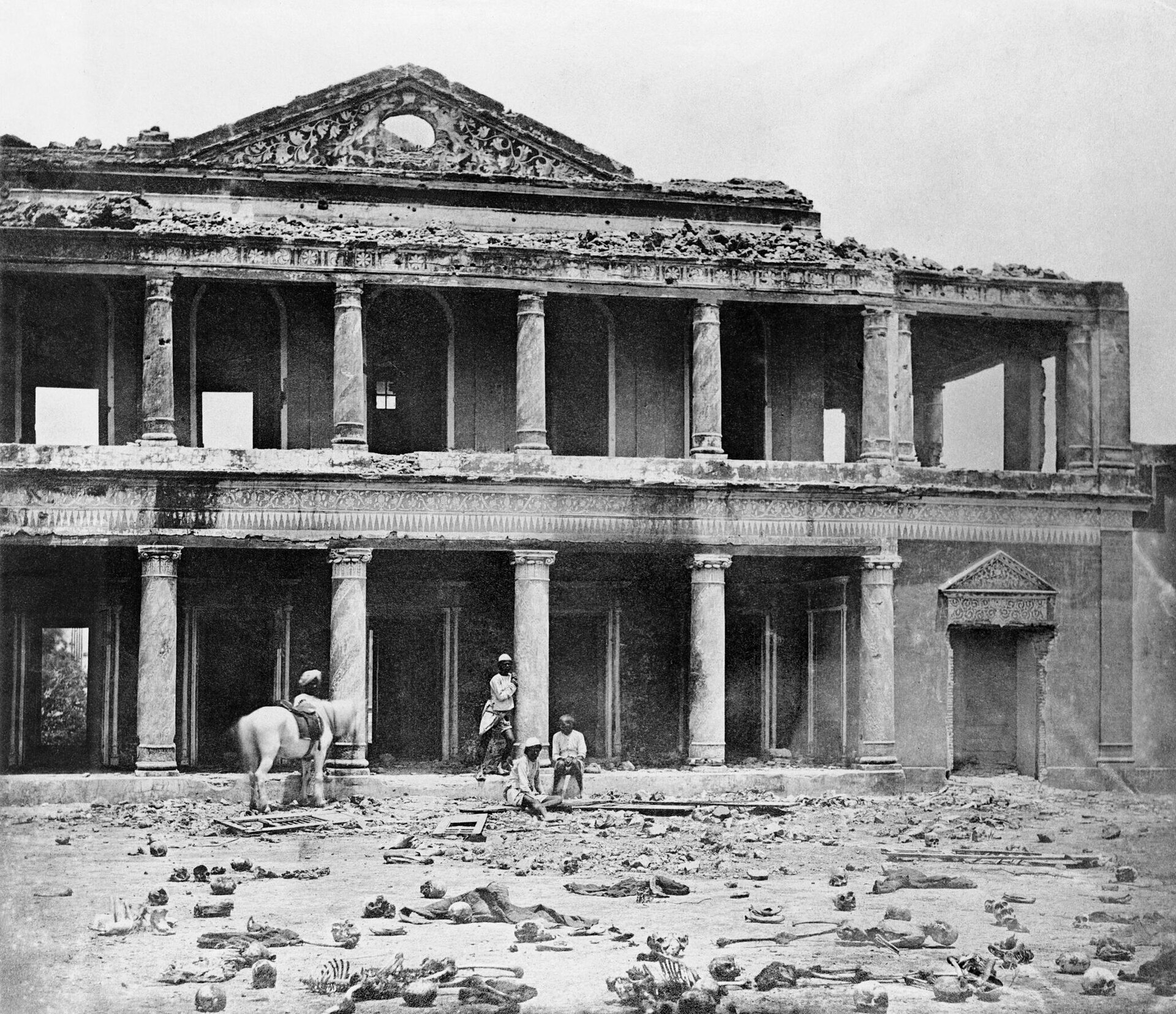
The Indian independence movement began as a whisper in the 1880s, growing into a roar that would shake the British Empire. At its heart was the Indian National Congress, founded in 1885, which sought to unite voices for greater rights and self-governance. These early leaders, known as moderates, pushed for reforms and greater representation, but their efforts soon faced the limits of colonial control.
By the early 1900s, the movement had turned more radical. Protests against the Partition of Bengal in 1905 exposed the flaws in the moderate approach, sparking a new wave of resistance. This led to the Non-cooperation Movement, where Indians refused to cooperate with British authorities, marking a turning point in the struggle for independence.
The 1920s were a time of transformation, led by Mahatma Gandhi. His philosophy of non-violence and civil disobedience became the guiding light for millions. Alongside him, leaders like Jawaharlal Nehru and Vallabhbhai Patel shaped the movement's direction. Their vision was not just for freedom, but for a new India — democratic, secular, and independent.
Women played a crucial role in the movement, with leaders like Sarojini Naidu and Kasturba Gandhi breaking barriers and demanding equality. Their voices added strength to the cause, showing that the fight for independence was not just political, but deeply personal and transformative.
The movement took on a more radical edge with the Quit India Movement in 1942, demanding an immediate end to British rule. This was a moment when the entire nation was expected to rise. The British, however, responded with force, leading to widespread unrest and the eventual transfer of power.
More from History

The Morning Bingham Climbed to Machu Picchu
On a cold July morning in 1911, an American historian scrambled up a jungle-choked ridge above the Urubamba River — and by afternoon, a forgotten Inca citadel would belong to the world.

The Last Half-Hour of the Hindenburg
It was already half a day late, and the public had been told to keep away — but at seven o'clock that evening, the Hindenburg finally turned toward its mooring mast for the last time.

The Last Hours of Pompeii: August 24, 79 AD
By noon it was just another hot day beside the Bay of Naples. By evening, an entire mountain had rewritten the fate of thousands.

The Longest Walk: Mandela's Last Steps to Freedom
After 27 years behind bars, a 71-year-old man had to relearn how to walk out of a prison gate — into a waiting world of cameras, crowds, and a country holding its breath.

The Document Lincoln Signed on the First Day of 1863
On a single January morning, a president's pen would change the legal status of more than three million people — if the ink held and his hand did not shake.

The Day of the Dream: August 28, 1963
Two hundred and fifty thousand people converged on the National Mall that morning — by nightfall, one voice from the steps of the Lincoln Memorial would echo for generations.