The Marshall Plan: A Bridge to Recovery
In the ashes of war, a bold vision emerged to rebuild Europe. The Marshall Plan was more than aid—it was a promise of renewal.
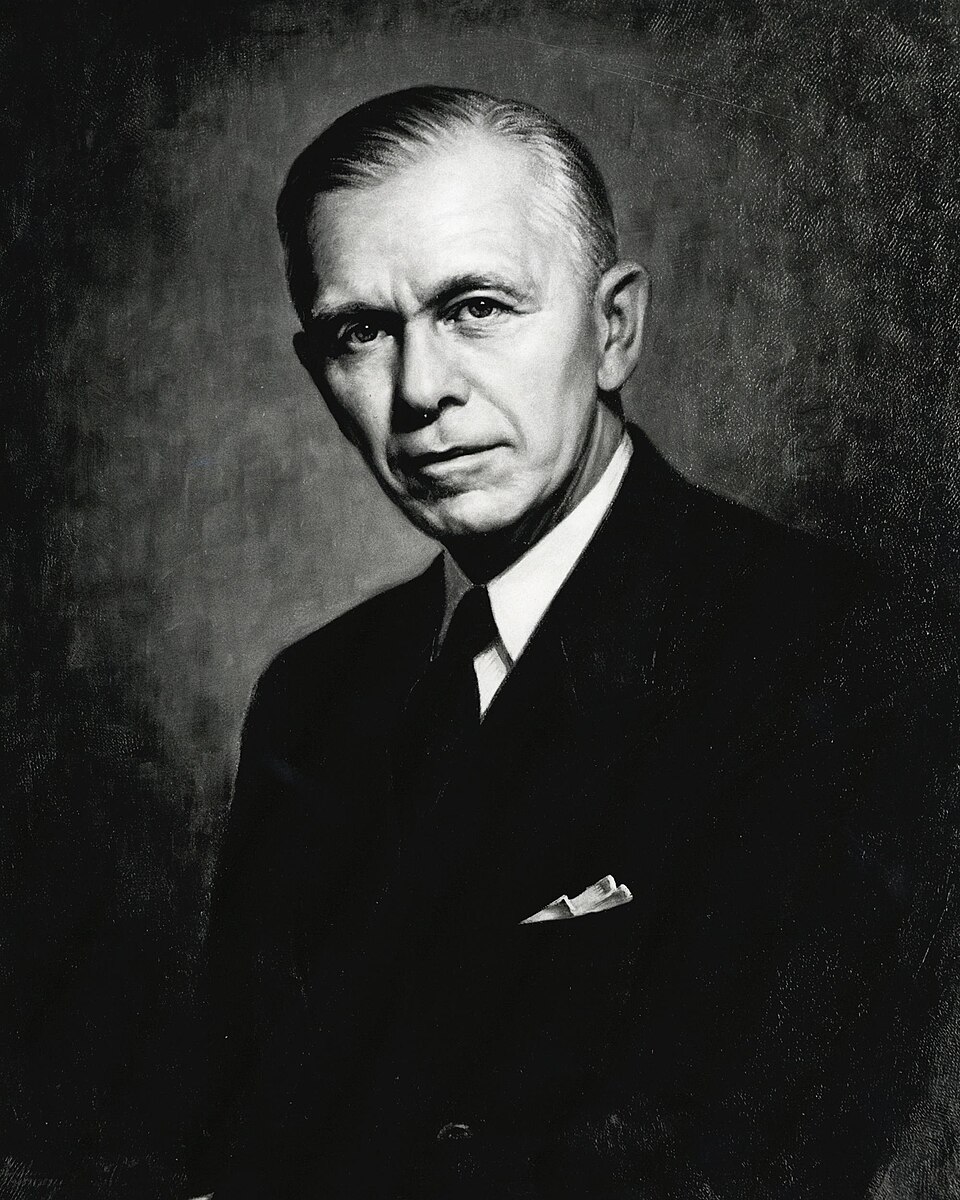
The end of World War II left Europe in ruins, with cities reduced to rubble, millions of refugees living in temporary camps, and severe food shortages. The Marshall Plan, launched in 1948, aimed to restore prosperity and prevent the spread of communism. It was a U.S. initiative that would reshape the continent's future. The plan's $13.3 billion in aid, equivalent to $137 billion today, was a massive effort to rebuild Western Europe. The United States sought to revive economies, modernize industry, and foster cooperation among nations. The goal was clear: to ensure Europe's recovery and stability.
The Marshall Plan was not just about money — it was about rebuilding trust and infrastructure. It encouraged the removal of trade barriers and the integration of European economies. This effort aimed to create a unified market that would drive growth and reduce the risk of future conflicts. The plan was designed to be a long-term solution, not a temporary fix. By investing in modernization and productivity, the U.S. hoped to lay the groundwork for lasting prosperity. The idea was to help Europe stand on its own again.
The aid was divided among the participating states roughly on a per capita basis, with more support going to the major industrial powers, such as the United Kingdom, France, and West Germany. The prevailing opinion was that their revival was essential for the general European recovery; the largest recipient was the UK, with about 26% of the total, followed by France and West Germany. However, the Soviet Union refused the aid and blocked benefits to Eastern Bloc countries such as Poland and Romania, fearing that participation would allow a degree of U.S. control over their economies. To counter the plan, the USSR developed its own program, known as the Molotov Plan, and East and West took different paths toward recovery.
The plan's success was measured not just in dollars but in the lives it touched. By 1952, every participating country had surpassed pre-war economic levels. Output in 1951 was at least 35% higher than in 1938. This rapid recovery was a testament to the plan's effectiveness. Yet, economists still debate how much of this growth was directly due to the Marshall Plan. Regardless, the program played a vital role in restoring Europe's economy and fostering a sense of hope.
The Marshall Plan also laid the foundation for European integration. By removing trade barriers and establishing institutions to coordinate the economy on a continental level, it created a framework for future cooperation. It was one of the first elements of European integration, stimulating the political reconstruction of Western Europe. The plan's emphasis on collaboration and shared goals helped build a sense of unity among European nations. It was more than an economic initiative — it was a political and social transformation.
More from History

The Morning Bingham Climbed to Machu Picchu
On a cold July morning in 1911, an American historian scrambled up a jungle-choked ridge above the Urubamba River — and by afternoon, a forgotten Inca citadel would belong to the world.

The Last Half-Hour of the Hindenburg
It was already half a day late, and the public had been told to keep away — but at seven o'clock that evening, the Hindenburg finally turned toward its mooring mast for the last time.

The Last Hours of Pompeii: August 24, 79 AD
By noon it was just another hot day beside the Bay of Naples. By evening, an entire mountain had rewritten the fate of thousands.

The Longest Walk: Mandela's Last Steps to Freedom
After 27 years behind bars, a 71-year-old man had to relearn how to walk out of a prison gate — into a waiting world of cameras, crowds, and a country holding its breath.

The Document Lincoln Signed on the First Day of 1863
On a single January morning, a president's pen would change the legal status of more than three million people — if the ink held and his hand did not shake.

The Day of the Dream: August 28, 1963
Two hundred and fifty thousand people converged on the National Mall that morning — by nightfall, one voice from the steps of the Lincoln Memorial would echo for generations.