The Morning Apple Reinvented the Phone
Two and a half years of secrecy funneled into one January morning in San Francisco — and a stage where Steve Jobs promised to reinvent the phone.
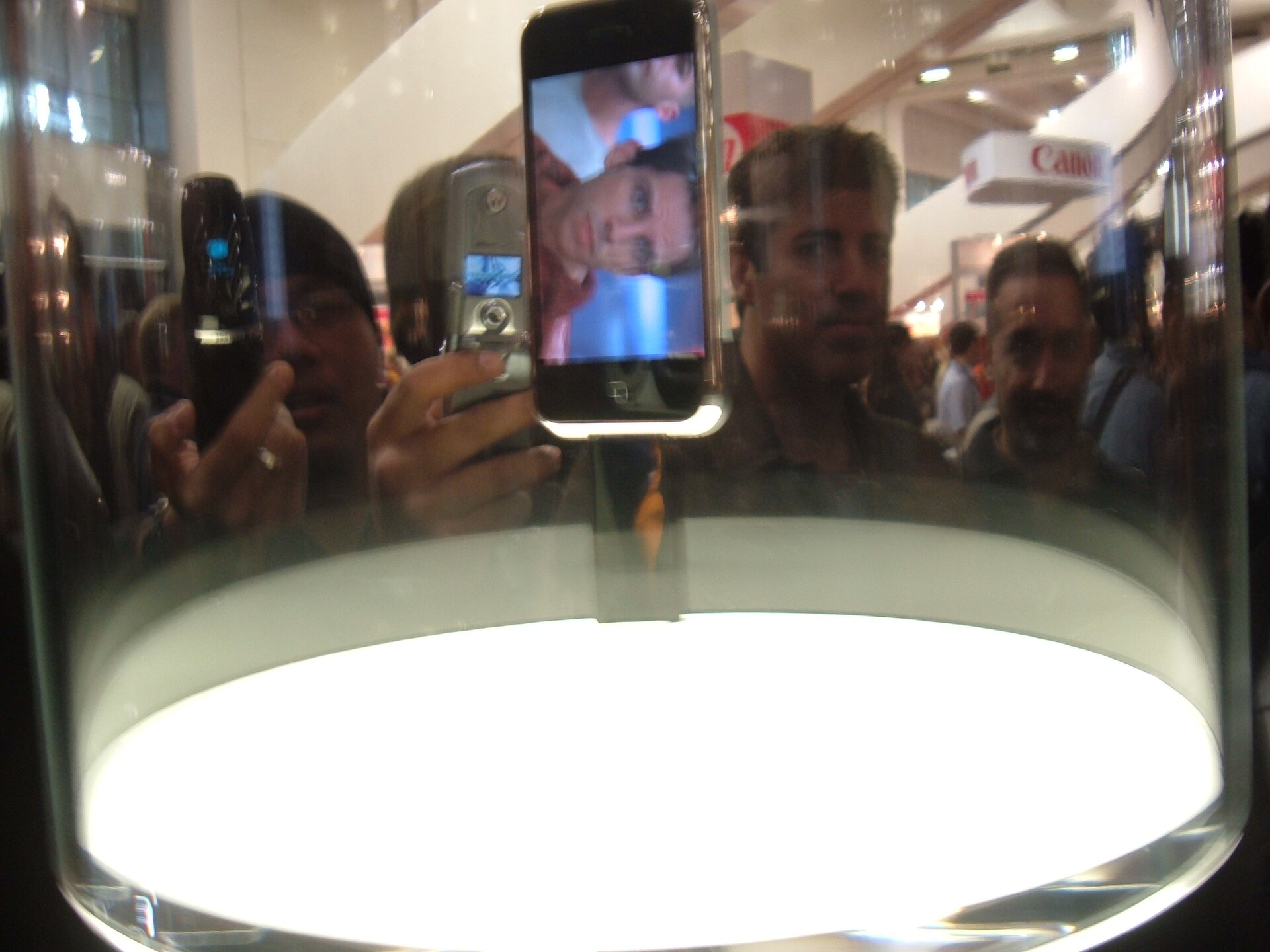
On the morning of January 9, 2007, thousands filed into Moscone West in San Francisco for the Macworld Conference & Expo, unaware that they were about to witness the end of years of rumor and guesswork about what Apple was building behind closed doors. For a year, speculation had swirled about a phone from the company that made the iPod. Few in the audience knew how literal that speculation had become.
Steve Jobs walked onto the stage and told the crowd, 'This is a day that I have been looking forward to for two and a half years.' It was a quiet admission of just how long the secret project, internally called Purple 2, had consumed Apple's engineers since its start in 2005. He then declared, 'Today, Apple is going to reinvent the phone.'
Jobs did not simply unveil a product; he built suspense by describing three separate devices — a widescreen iPod with touch controls, a revolutionary mobile phone, and a breakthrough internet communicator — before revealing they were, in fact, one device. The audience realized in real time that the iPhone was all three at once.
What made the reveal startling was the design itself. The device on stage abandoned the physical keyboards and styluses that defined phones like the BlackBerry, relying instead on a 3.5-inch multi-touch display that responded to fingers alone. It ran Apple's own software, browsed the web through Safari, and connected over quad-band GSM with GPRS and EDGE for data.
Behind the polished presentation lay an unusual partnership. Apple had developed the phone in secretive collaboration with Cingular Wireless, spending an estimated $150 million over thirty months, deliberately avoiding the kind of committee-driven design that had produced the underwhelming Motorola ROKR E1. Cingular had given Apple free rein over hardware and software, a gamble that culminated in this single morning on stage.
More from History

The Morning Bingham Climbed to Machu Picchu
On a cold July morning in 1911, an American historian scrambled up a jungle-choked ridge above the Urubamba River — and by afternoon, a forgotten Inca citadel would belong to the world.

The Last Half-Hour of the Hindenburg
It was already half a day late, and the public had been told to keep away — but at seven o'clock that evening, the Hindenburg finally turned toward its mooring mast for the last time.

The Last Hours of Pompeii: August 24, 79 AD
By noon it was just another hot day beside the Bay of Naples. By evening, an entire mountain had rewritten the fate of thousands.

The Longest Walk: Mandela's Last Steps to Freedom
After 27 years behind bars, a 71-year-old man had to relearn how to walk out of a prison gate — into a waiting world of cameras, crowds, and a country holding its breath.

The Document Lincoln Signed on the First Day of 1863
On a single January morning, a president's pen would change the legal status of more than three million people — if the ink held and his hand did not shake.

The Day of the Dream: August 28, 1963
Two hundred and fifty thousand people converged on the National Mall that morning — by nightfall, one voice from the steps of the Lincoln Memorial would echo for generations.