The Morning the Sky Burned Over Lindisfarne
On a tidal island off Northumberland, monks woke to omens in the sky before the day ended in blood on the altar steps.
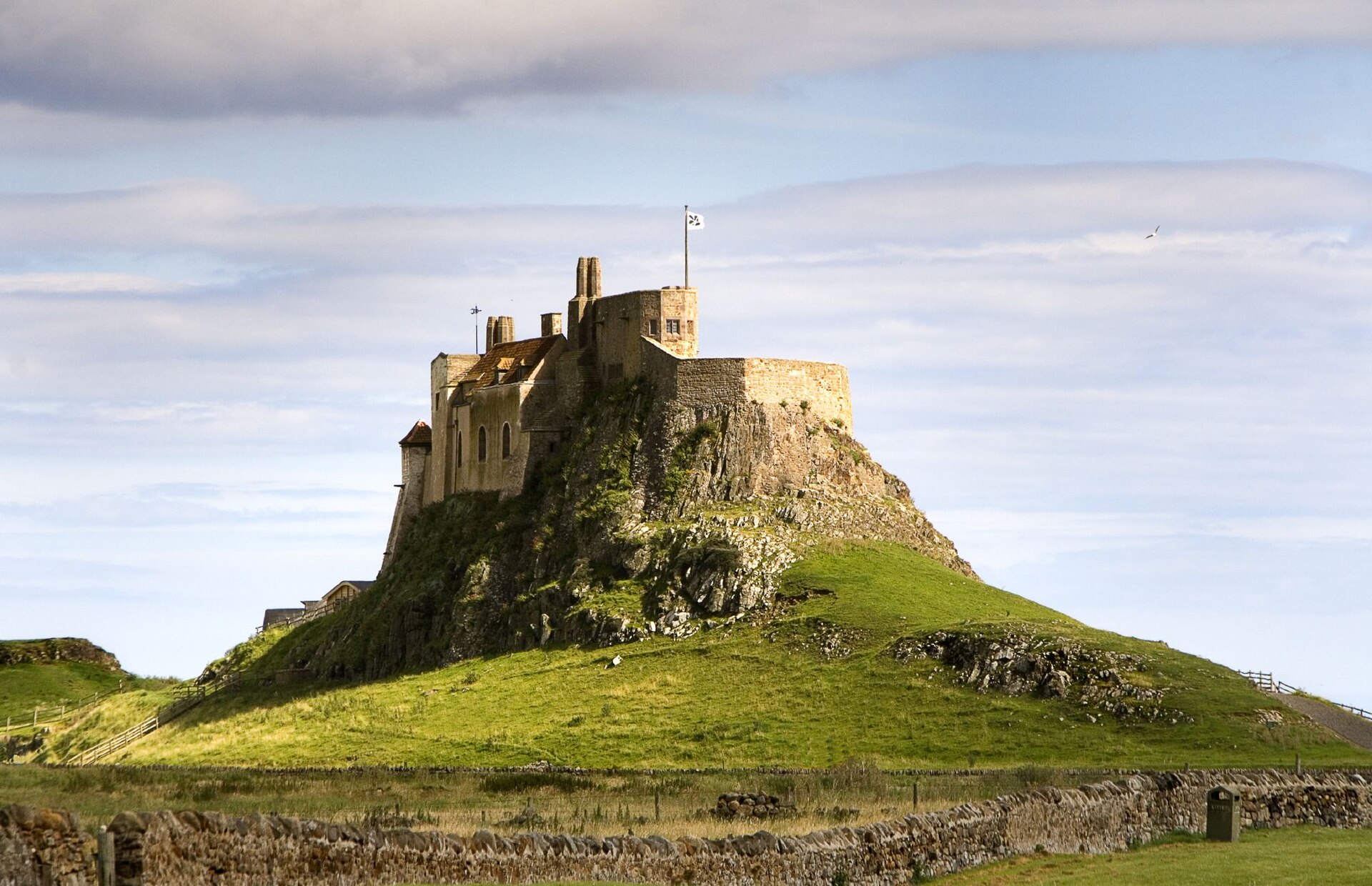
Dawn on 8 June 793 broke quietly over Lindisfarne, the tidal island that had for more than a century been one of the holiest places in the Christian west, home to the shrine of St Cuthbert and the community founded under St Aidan. The monks had already endured a season of dread: chroniclers later recorded that fierce omens had passed over Northumbria that year — whirlwinds, lightning, and fiery dragons said to have been seen flying in the sky. Famine had followed those signs. Now, as early summer brought calmer seas, something else was approaching across the water.
The date itself has been debated. The Anglo-Saxon Chronicle originally recorded the attack under 6 January, but scholars such as Michael Swanton have argued this was a scribal error for 6 June — corrected by tradition and by the Annals of Lindisfarne to 8 June, a date when better sailing weather would have favoured a coastal raid. Whichever the precise hour, it was on this day that ships from the sea appeared off the island, carrying raiders whose language and gods were unknown to the monks.
There had been Viking raids before this one elsewhere along Britain's coasts, but none had struck at a place so sacred to the Northumbrian kingdom. English Heritage has since noted that this raid was significant precisely because it attacked 'the sacred heart' of Northumbria, desecrating the very place where Christianity had first taken root in the land. For the monks going about their morning duties — prayer, copying manuscripts, tending the shrine — there was no warning that this ordinary day would become one remembered for over a thousand years.
When the raiders came ashore, they moved through the monastery with violence that shocked even distant witnesses. Alcuin, a Northumbrian scholar then serving at Charlemagne's court on the continent, later wrote that never before had such terror appeared in Britain as they had suffered from a pagan race, and that the heathens poured out the blood of saints around the altar and trampled on the bodies of saints in the temple of God like dung in the streets. His words, written from afar, captured the horror that rippled through Christian Europe once news of the day reached the mainland.
Inside the church itself, the altar — the very center of the monks' spiritual life — became a scene of slaughter. Some monks were killed where they stood; others were seized and dragged off, to be carried away into slavery. The community that had produced sacred art and devoted itself to quiet religious labor for generations found itself, within the span of a single day, plundered and broken.
More from History

The Morning Bingham Climbed to Machu Picchu
On a cold July morning in 1911, an American historian scrambled up a jungle-choked ridge above the Urubamba River — and by afternoon, a forgotten Inca citadel would belong to the world.

The Last Half-Hour of the Hindenburg
It was already half a day late, and the public had been told to keep away — but at seven o'clock that evening, the Hindenburg finally turned toward its mooring mast for the last time.

The Last Hours of Pompeii: August 24, 79 AD
By noon it was just another hot day beside the Bay of Naples. By evening, an entire mountain had rewritten the fate of thousands.

The Longest Walk: Mandela's Last Steps to Freedom
After 27 years behind bars, a 71-year-old man had to relearn how to walk out of a prison gate — into a waiting world of cameras, crowds, and a country holding its breath.

The Document Lincoln Signed on the First Day of 1863
On a single January morning, a president's pen would change the legal status of more than three million people — if the ink held and his hand did not shake.

The Day of the Dream: August 28, 1963
Two hundred and fifty thousand people converged on the National Mall that morning — by nightfall, one voice from the steps of the Lincoln Memorial would echo for generations.