The Norsemen Who Beat Columbus by Five Centuries
Five hundred years before Columbus set sail, a fleet of dragon-headed ships had already touched the shores of North America. The men aboard called it Vinland.
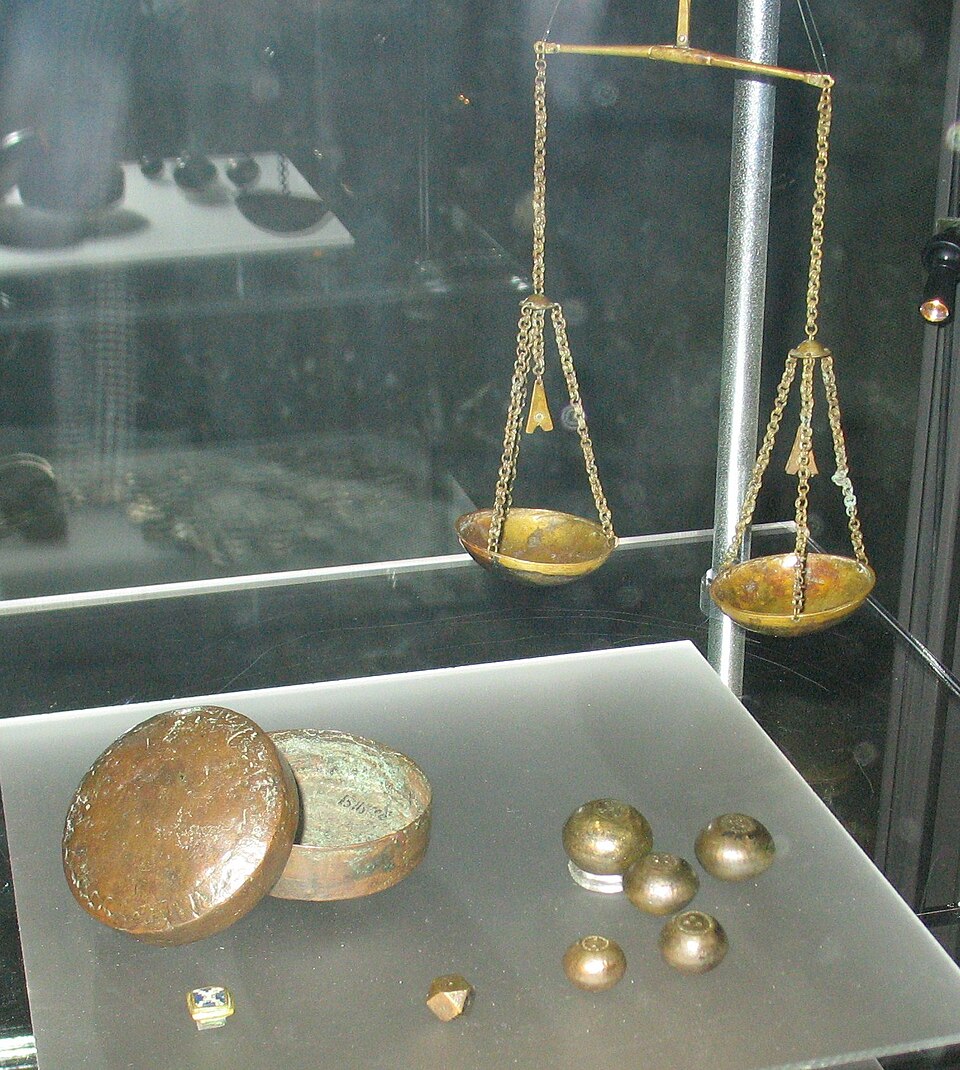
Long before the word 'discovery' became tangled with the name Christopher Columbus, another group of seafarers had already crossed the cold Atlantic and set foot on a land they had never seen before. They were Vikings — Norse farmers, traders, and raiders from Scandinavia who, between the late 8th and late 11th centuries, sailed farther and settled wider than almost anyone in their era believed possible.
The Vikings were expert sailors and navigators, and their reach eventually stretched from the Mediterranean and North Africa to the Middle East, Greenland, and finally to a place they named Vinland — present-day Newfoundland, in Canada. This makes them, according to the historical record, the first Europeans to reach North America, briefly settling there long before any voyage funded by Spanish monarchs.
This westward push was only one branch of a much larger Norse expansion. While some Vikings crossed the North Atlantic toward Iceland, Greenland, and Vinland, others turned east, becoming known as Varangians as they moved along the Dnieper and Volga trade routes through Eastern Europe. Their travels there helped lay the groundwork for Kievan Rus', the ancestor of the later states of Belarus, Russia, and Ukraine — a striking reminder that the same restless energy that reached Newfoundland also reached the Caspian Sea and Arabia.
Still others sailed south and settled in Normandy, giving rise to the Normans, who would later reshape the political history of England itself. A band of Rus Vikings even served briefly as bodyguards to the Byzantine emperor before attacking Constantinople. Across all these directions, the Vikings established governments and colonies in the British Isles, the Faroe Islands, Iceland, Greenland, and the Baltic coast — an astonishing network of settlement for a people often remembered only for raiding.
What made this possible was their mastery of the sea. Vikings built longships — vessels with dragon-shaped prows, capable of both shallow coastal navigation and grueling ocean crossings under sail and oar. It was this technology, more than any single leader's ambition, that let Norse sailors push into the unknown Atlantic and reach a continent that had no name yet in the European imagination.
More from History

The Morning Bingham Climbed to Machu Picchu
On a cold July morning in 1911, an American historian scrambled up a jungle-choked ridge above the Urubamba River — and by afternoon, a forgotten Inca citadel would belong to the world.

The Last Half-Hour of the Hindenburg
It was already half a day late, and the public had been told to keep away — but at seven o'clock that evening, the Hindenburg finally turned toward its mooring mast for the last time.

The Last Hours of Pompeii: August 24, 79 AD
By noon it was just another hot day beside the Bay of Naples. By evening, an entire mountain had rewritten the fate of thousands.

The Longest Walk: Mandela's Last Steps to Freedom
After 27 years behind bars, a 71-year-old man had to relearn how to walk out of a prison gate — into a waiting world of cameras, crowds, and a country holding its breath.

The Document Lincoln Signed on the First Day of 1863
On a single January morning, a president's pen would change the legal status of more than three million people — if the ink held and his hand did not shake.

The Day of the Dream: August 28, 1963
Two hundred and fifty thousand people converged on the National Mall that morning — by nightfall, one voice from the steps of the Lincoln Memorial would echo for generations.