The Outlaw Who Left a Legend Behind
Long after the bullets stopped, Americans kept digging — chasing rumors of gold that Jesse James supposedly buried across the Midwest before Robert Ford's gun ended the legend.
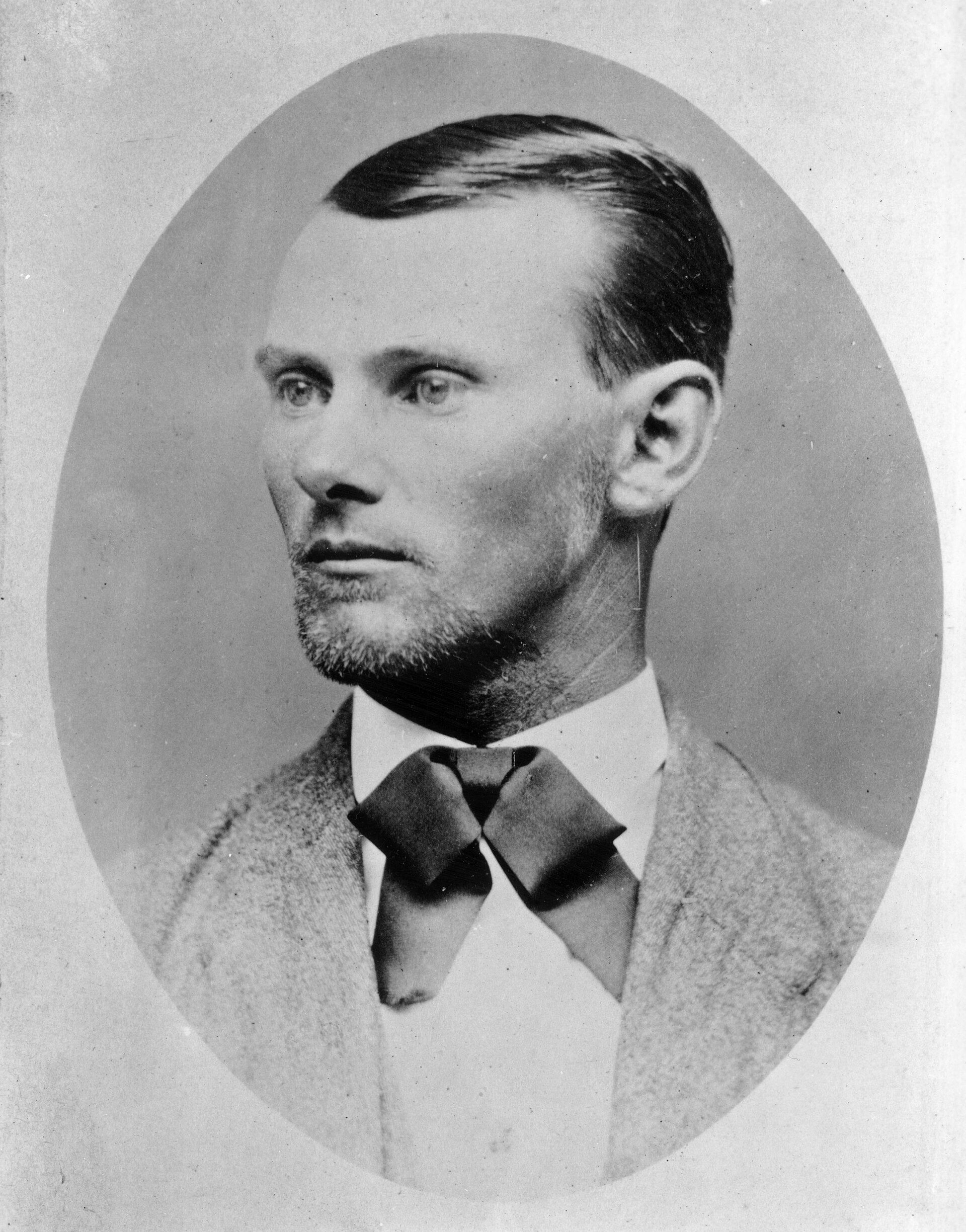
Jesse Woodson James was born on September 5, 1847, in Clay County, Missouri, a region so thoroughly Southern in its sympathies that locals called it 'Little Dixie.' His father, a Baptist minister and hemp farmer, died in California during the Gold Rush when Jesse was only three, leaving his mother Zerelda to remarry twice before settling with Dr. Reuben Samuel. The family held slaves and lived amid the tensions that the Kansas–Nebraska Act inflamed across the Missouri–Kansas border, tensions that would soon explode into open war.
When the Civil War came, the James–Samuel household sided with the Confederacy without hesitation. Frank James fought at the Battle of Wilson's Creek before falling in with pro-Confederate guerrillas — the infamous 'bushwhackers.' Jesse followed his brother into this violent world, riding eventually under 'Bloody Bill' Anderson. Union militia had already tortured Reuben Samuel by hanging him briefly from a tree while searching for Frank, an act that hardened the family's loyalties. The brothers were present at the Centralia Massacre in 1864, one of the guerrilla war's bloodiest atrocities.
When the war ended, Missouri did not find peace — it fractured into factions of Unionists, former Confederates, and radicals who rewrote the state constitution to free slaves and strip ex-Confederates of the vote. Out of this chaos came a new kind of violence: organized robbery. Jesse's former guerrilla commander, Archie Clement, led what is considered the first major peacetime bank robbery in the United States, hitting the Clay County Savings Association in February 1866. Whether Jesse himself rode with that gang is not confirmed, but the pattern of banks, coaches, and trains being robbed across the Midwest would soon carry his name above all others.
By the late 1860s and through the 1870s, Jesse and Frank James, operating with the Younger brothers as the James–Younger Gang, built a reputation that outpaced their actual crimes. Newspapers turned bank heists into legend, and the public — many of them Southern sympathizers still smarting from Reconstruction — cast Jesse as a folk hero, a man robbing the rich in a lawless frontier. This romantic image, historians note, was largely revisionist: there is no evidence the gang ever redistributed a cent of their loot beyond their own network.
The gang's momentum broke in 1876, when a botched robbery of a bank in Northfield, Minnesota, left several members dead or captured. Jesse and Frank escaped, but the gang was effectively destroyed. Jesse pressed on with new recruits over the following years, robbing where he could, but law enforcement pressure mounted steadily, and the celebrity that had once shielded him began to close in.
More from Treasures

The Legend of the Nazi Gold Train
Somewhere beneath the hills of Poland, rumor insists, a train loaded with looted treasure vanished into a tunnel and was never seen again. The story survives because the plunder behind it was terrifyingly real.

The Treasure List Carved in Copper
While every other Dead Sea Scroll was written on parchment or papyrus, one was hammered into metal — a list of buried gold and silver that no one has ever found.

The Diamond That Vanished for a Century
For decades, treasure hunters and novelists spun theories about a lost 137-carat gem — sold, recut, melted into legend. It was sitting in a Quebec bank vault the entire time.

Gold, Ghosts, and the Mountain That Keeps Its Secret
For over a century, treasure hunters have vanished into a jagged Arizona range chasing a fortune that may never have existed at all. What they left behind was not gold, but one of America's most enduring legends.

The King Who Buried a River
When Rome finally cornered the Dacian king, it wasn't a sword that gave up his secret — it was a traitor's whisper about a riverbed.

The Fortune Dutch Schultz Took to His Grave
He asked New York's mob bosses for permission to kill a federal prosecutor — and when they said no, he disobeyed them anyway. It was a decision that would end his life and leave behind a fortune that has never been found.