The Print Revolution: How Ink and Wood Transformed the World
A single block of wood, ink, and paper changed the course of human history. From East Asia to Europe, the art of printing sparked revolutions in knowledge, culture, and power.
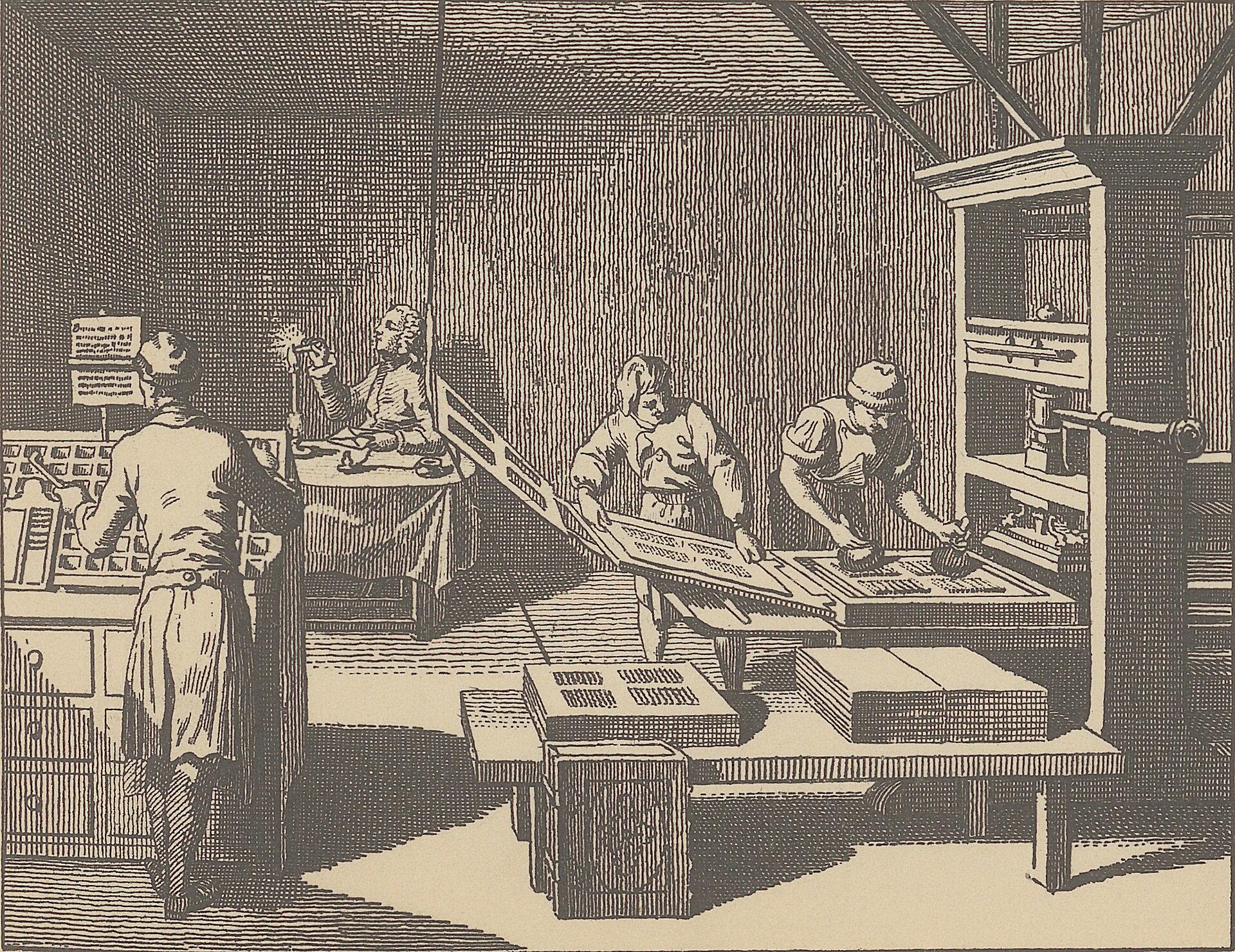
Printing, the process of reproducing text and images using a master form, dates back to ancient times. The earliest examples include cylinder seals and objects like the Cyrus Cylinder. These rudimentary techniques laid the foundation for more advanced methods. By the sixth century, ink rubbings on paper or cloth from texts on stone tablets began to appear, marking the earliest known form of printing.
In East Asia, woodblock printing became a dominant technique, especially in China. This method, which originated in antiquity for textiles, later spread to paper. During the Tang dynasty, mechanical woodblock printing on paper emerged, setting the stage for widespread use. Japan and Korea adopted the technique, creating religious texts and scriptures that spread across the region.
The Diamond Sutra, printed in 868, is the first completely surviving printed book. This milestone in the history of printing highlights the growing importance of mass production. By the tenth century, hundreds of thousands of copies of sutras and pictures were printed, and the Confucian classics were in print. Skilled printers could produce up to 2,000 double-page sheets per day, showcasing the efficiency of the technique.
Printing spread early to Korea and Japan, which also used Chinese logograms. However, it also reached Turpan and Vietnam, adapting to various scripts. The technique then moved to Persia and Russia before reaching Europe by around 1400. In Europe, it was used on paper for old master prints and playing cards, marking a significant shift in artistic and cultural practices.
In the Islamic world, block printing was used from 900 to 1444. It was primarily a craft of street magicians who mass printed amulets and talismans. These prints, often featuring Qur'anic verses, were sold to illiterate buyers, with the mechanical process kept secret to feign handwritten authenticity. Block printing was also used for official purposes, such as stamping tax receipts and printing state decrees. Its sudden disappearance from the Islamic world after the mid-fifteenth century remains unexplained, though migrating printers may have played a role in transmitting the craft to Europe.
More from History

The Morning Bingham Climbed to Machu Picchu
On a cold July morning in 1911, an American historian scrambled up a jungle-choked ridge above the Urubamba River — and by afternoon, a forgotten Inca citadel would belong to the world.

The Last Half-Hour of the Hindenburg
It was already half a day late, and the public had been told to keep away — but at seven o'clock that evening, the Hindenburg finally turned toward its mooring mast for the last time.

The Last Hours of Pompeii: August 24, 79 AD
By noon it was just another hot day beside the Bay of Naples. By evening, an entire mountain had rewritten the fate of thousands.

The Longest Walk: Mandela's Last Steps to Freedom
After 27 years behind bars, a 71-year-old man had to relearn how to walk out of a prison gate — into a waiting world of cameras, crowds, and a country holding its breath.

The Document Lincoln Signed on the First Day of 1863
On a single January morning, a president's pen would change the legal status of more than three million people — if the ink held and his hand did not shake.

The Day of the Dream: August 28, 1963
Two hundred and fifty thousand people converged on the National Mall that morning — by nightfall, one voice from the steps of the Lincoln Memorial would echo for generations.