The Renaissance: A Rebirth of Thought and Art
In the heart of Florence, a city of marble and ambition, a revolution of ideas began. It was not a single moment, but a slow unfolding of human potential, a return to the wisdom of the ancients, and a bold leap into the future.
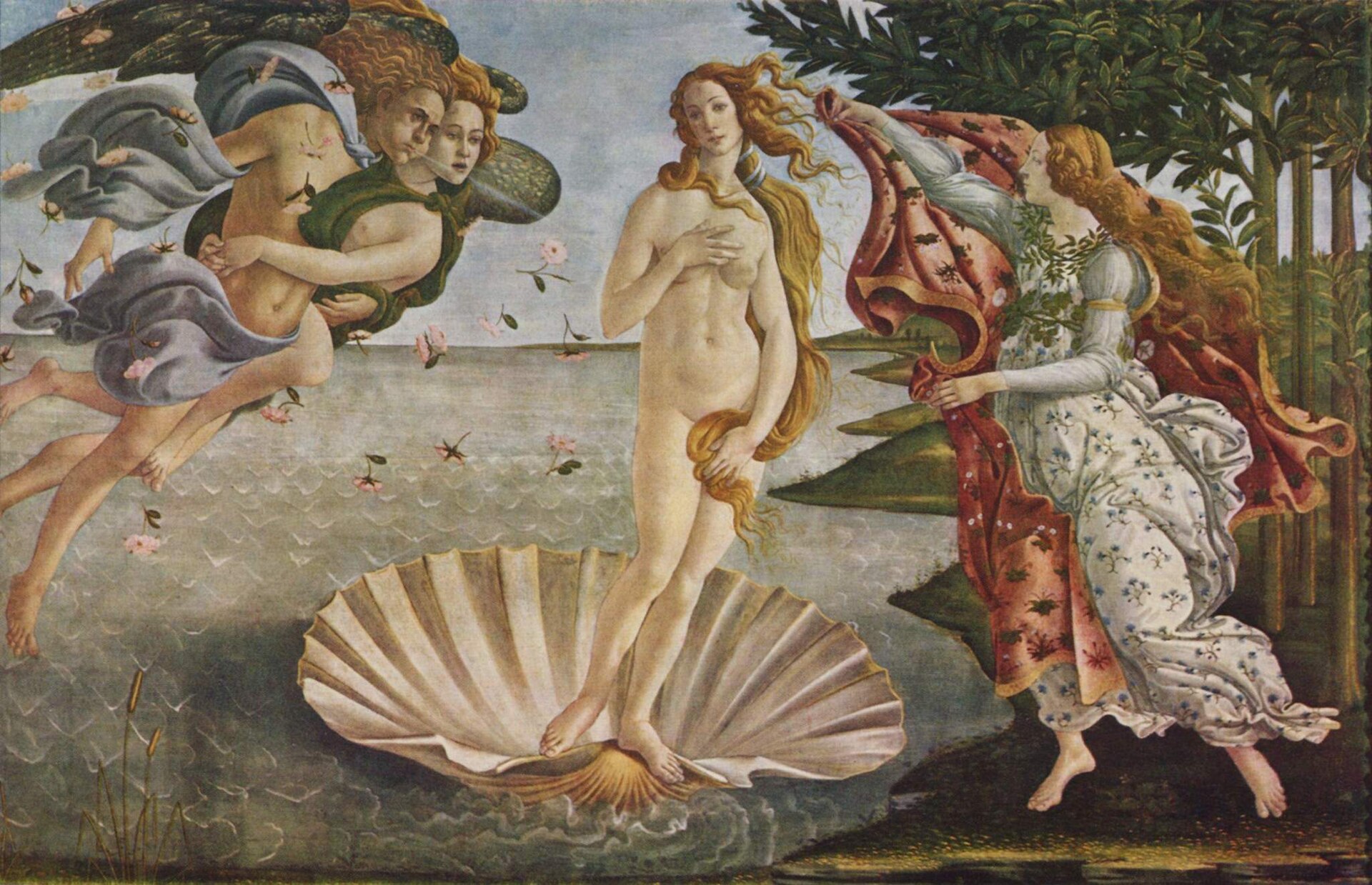
The Renaissance began in Italy during the crisis of the Late Middle Ages, a time of political instability and social change. It was a period of rediscovery, where the intellectual and artistic world of ancient Greece and Rome was revived and reinterpreted. This movement was not uniform across Europe, but it had its roots in the city of Florence, which became the epicenter of this cultural rebirth.
At the core of the Renaissance was humanism, a philosophy that emphasized the value of human beings and their capacity for reason and creativity. This idea, inspired by the ancient Roman concept of humanitas, encouraged scholars to study classical texts and focus on the individual's potential. The works of philosophers like Protagoras, who declared that 'man is the measure of all things,' became central to this new way of thinking.
The spread of knowledge was greatly aided by the invention of the printing press, which allowed books to be produced more quickly and widely. This made classical texts more accessible, fueling a renewed interest in the past. From Florence, the movement reached other major centers such as Venice, Rome, Milan, and Naples, taking on different forms as it blended with local traditions, and from Italy it eventually spread throughout Europe.
Artists like Leonardo da Vinci and Michelangelo became symbols of this era, embodying the ideal of the 'Renaissance man'—someone who excelled in multiple fields. Renaissance artists searched for realism and human emotion in their work: in Florence, painters led by Masaccio strove to portray the human form as it truly appeared, developing techniques to render perspective and light more naturally. Innovations such as linear perspective gave paintings a more lifelike quality than ever before.
The Renaissance also had a profound impact on politics and diplomacy. Thinkers like Niccolò Machiavelli sought to describe political life as it really was—to understand it rationally rather than through inherited ideals. The period contributed to the development of the customs and conventions of diplomacy, marking a significant departure from the medieval worldview and helping to lay the groundwork for modern political thought.
More from History

The Morning Bingham Climbed to Machu Picchu
On a cold July morning in 1911, an American historian scrambled up a jungle-choked ridge above the Urubamba River — and by afternoon, a forgotten Inca citadel would belong to the world.

The Last Half-Hour of the Hindenburg
It was already half a day late, and the public had been told to keep away — but at seven o'clock that evening, the Hindenburg finally turned toward its mooring mast for the last time.

The Last Hours of Pompeii: August 24, 79 AD
By noon it was just another hot day beside the Bay of Naples. By evening, an entire mountain had rewritten the fate of thousands.

The Longest Walk: Mandela's Last Steps to Freedom
After 27 years behind bars, a 71-year-old man had to relearn how to walk out of a prison gate — into a waiting world of cameras, crowds, and a country holding its breath.

The Document Lincoln Signed on the First Day of 1863
On a single January morning, a president's pen would change the legal status of more than three million people — if the ink held and his hand did not shake.

The Day of the Dream: August 28, 1963
Two hundred and fifty thousand people converged on the National Mall that morning — by nightfall, one voice from the steps of the Lincoln Memorial would echo for generations.