The Room Full of Gold: Atahualpa's Ransom
A captive emperor once promised to fill a room with gold to buy back his freedom — and very nearly succeeded, before discovering that gold could not purchase mercy.
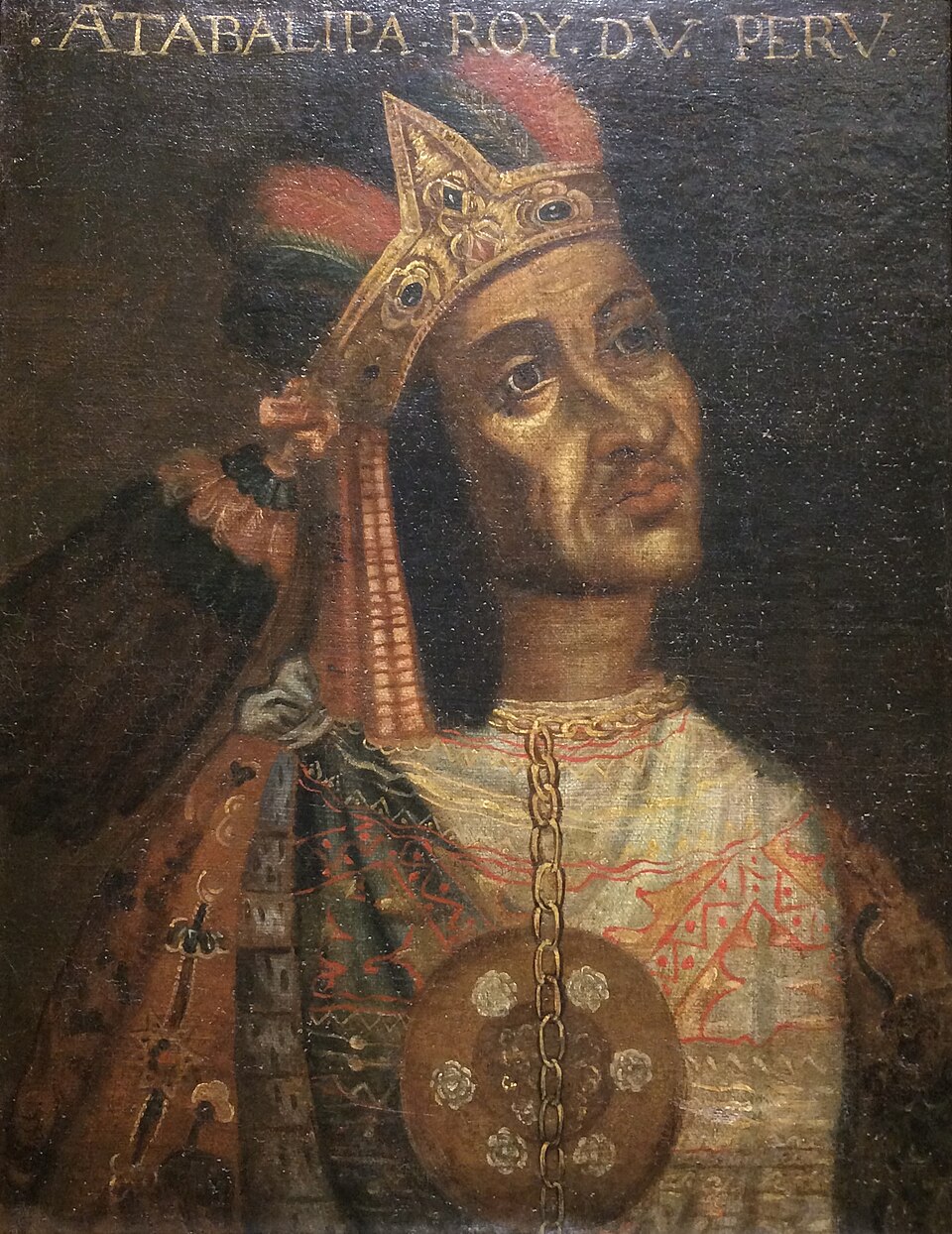
In November 1532, the last effective Inca emperor rode into the town square of Cajamarca surrounded by thousands of unarmed attendants, expecting a ceremonial meeting with a small band of foreign strangers. Atahualpa, son of the emperor Huayna Cápac, had just emerged victorious from a brutal civil war against his half-brother Huáscar, capturing him after years of contested succession. He had no reason to fear a few hundred Spaniards led by Francisco Pizarro. Within hours, that confidence proved fatal: Pizarro's men ambushed the Inca's retinue, slaughtered thousands, and seized Atahualpa himself.
As a prisoner, Atahualpa quickly grasped what his captors wanted. The Spaniards had crossed an ocean chasing rumors of Andean wealth, and the emperor understood the currency of his own empire better than anyone. He offered a staggering proposal: in exchange for his release, he would fill a room with gold. It was an offer built on desperation and calculation alike — a gamble that his captors' greed might be turned into his salvation.
Word of the promise spread across the empire, and the machinery of the Inca state, still functioning even with its ruler in chains, began to move. Messengers were dispatched to temples, palaces, and treasuries throughout Tahuantinsuyo. Gold and silver objects — ornaments, vessels, ceremonial pieces accumulated over generations — were gathered from across the realm and transported toward Cajamarca to meet the ransom Atahualpa had pledged.
While the treasure slowly converged on the Spanish camp, Atahualpa continued to act as a ruler even in captivity. He arranged for the execution of his defeated rival Huáscar, eliminating the man who might otherwise have offered the Spanish an alternative claimant to the throne. It was a move that revealed Atahualpa had not surrendered his political instincts simply because he wore chains.
The gold did arrive, filling the promised space with the accumulated wealth of an empire — treasures that represented not mere metal but generations of craftsmanship, religious devotion, and imperial identity now being melted down and hauled away. For the Spaniards, it was riches beyond anything they had imagined when they first sailed from Panama. For Atahualpa, it was meant to be the price of his life.
More from Treasures

The Legend of the Nazi Gold Train
Somewhere beneath the hills of Poland, rumor insists, a train loaded with looted treasure vanished into a tunnel and was never seen again. The story survives because the plunder behind it was terrifyingly real.

The Treasure List Carved in Copper
While every other Dead Sea Scroll was written on parchment or papyrus, one was hammered into metal — a list of buried gold and silver that no one has ever found.

The Diamond That Vanished for a Century
For decades, treasure hunters and novelists spun theories about a lost 137-carat gem — sold, recut, melted into legend. It was sitting in a Quebec bank vault the entire time.

Gold, Ghosts, and the Mountain That Keeps Its Secret
For over a century, treasure hunters have vanished into a jagged Arizona range chasing a fortune that may never have existed at all. What they left behind was not gold, but one of America's most enduring legends.

The King Who Buried a River
When Rome finally cornered the Dacian king, it wasn't a sword that gave up his secret — it was a traitor's whisper about a riverbed.

The Fortune Dutch Schultz Took to His Grave
He asked New York's mob bosses for permission to kill a federal prosecutor — and when they said no, he disobeyed them anyway. It was a decision that would end his life and leave behind a fortune that has never been found.