The Ship of Gold: The Sinking of the SS Central America
For three days a wooden steamer fought a hurricane with a failing boiler and ten tons of California gold in her hold. When she finally went down, she took 425 lives — and a fortune that would not surface again for 131 years.
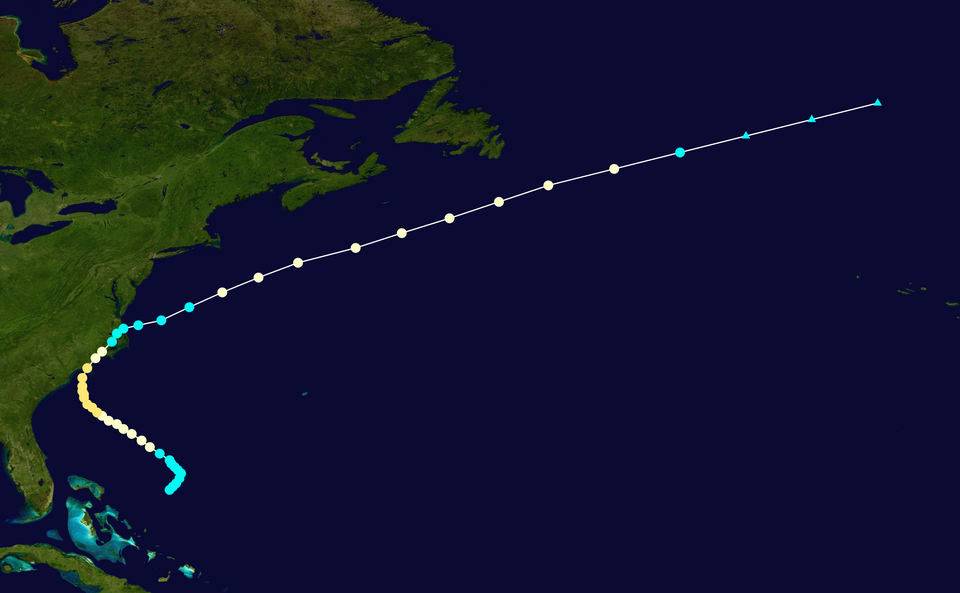
On September 3, 1857, the SS Central America left the port of Aspinwall — today's Colón, Panama — bound for New York City with 477 passengers and 101 crew. Under the command of William Lewis Herndon, a naval officer who had once explored the Amazon Valley, the ship carried 10 short tons of gold prospected during the California Gold Rush. It was a routine run along a well-worn route, one of many that had ferried fortune-seekers and their spoils between the coasts since the rush began.
Routine ended on September 9, when the ship sailed into a Category 2 hurricane off the coast of the Carolinas. By September 11, winds of 105 miles per hour had shredded her sails and driven heavy seas over her decks. Water poured through a leaking seal where a paddle wheel shaft met the hull, and by noon the boiler could no longer keep steam pressure up. The bilge pumps shut down. The paddle wheels that had kept her bow into the wind stopped turning, and the ship began to settle by the stern.
Herndon's crew flew the ship's flag upside down — the American distress signal — hoping a passing vessel would see it. None did. Through the night, passengers and crew formed a bucket brigade, bailing water by hand in a losing fight against the rising tide inside the hull. During a brief lull as the eye of the hurricane passed overhead, men tried desperately to restart the boiler. They failed, and the second half of the storm struck with the same fury as the first.
By the morning of September 12, the ship was powerless, adrift in the storm's grip. Two vessels appeared on the horizon, including the brig Marine, and about 100 passengers — mostly women and children — were ferried off in lifeboats. But the winds and seas kept pulling Central America and most of her people away from any hope of rescue. At eight o'clock that evening, she sank. Of the 578 souls aboard, 425 were lost, Herndon among them, going down with his ship. A Norwegian barque, the Ellen, later pulled 50 more survivors from the water, and three others were found in a lifeboat more than a week afterward.
The scale of the loss of life stunned the nation, described at the time as having no parallel among American maritime disasters. But the financial loss mattered too: the gold aboard was valued at roughly $8,000,000 in 1857 dollars — worth an estimated $2.4 billion today — and its disappearance from the economy helped trigger the Panic of 1857. The ship itself had been valued at $140,000, far more than most vessels lost in disasters of that era. Herndon's memory endured: two US Navy ships were later named USS Herndon, as was the town of Herndon, Virginia. Two years after his death, his daughter Ellen married Chester Alan Arthur, who would become the 21st President of the United States.
More from Treasures

The Legend of the Nazi Gold Train
Somewhere beneath the hills of Poland, rumor insists, a train loaded with looted treasure vanished into a tunnel and was never seen again. The story survives because the plunder behind it was terrifyingly real.

The Treasure List Carved in Copper
While every other Dead Sea Scroll was written on parchment or papyrus, one was hammered into metal — a list of buried gold and silver that no one has ever found.

The Diamond That Vanished for a Century
For decades, treasure hunters and novelists spun theories about a lost 137-carat gem — sold, recut, melted into legend. It was sitting in a Quebec bank vault the entire time.

Gold, Ghosts, and the Mountain That Keeps Its Secret
For over a century, treasure hunters have vanished into a jagged Arizona range chasing a fortune that may never have existed at all. What they left behind was not gold, but one of America's most enduring legends.

The King Who Buried a River
When Rome finally cornered the Dacian king, it wasn't a sword that gave up his secret — it was a traitor's whisper about a riverbed.

The Fortune Dutch Schultz Took to His Grave
He asked New York's mob bosses for permission to kill a federal prosecutor — and when they said no, he disobeyed them anyway. It was a decision that would end his life and leave behind a fortune that has never been found.