The Silk Road: A Tapestry of Trade and Time
A single thread, once spun, can weave an entire world. The Silk Road, a vast network of trade routes, did more than connect empires—it shaped civilizations.
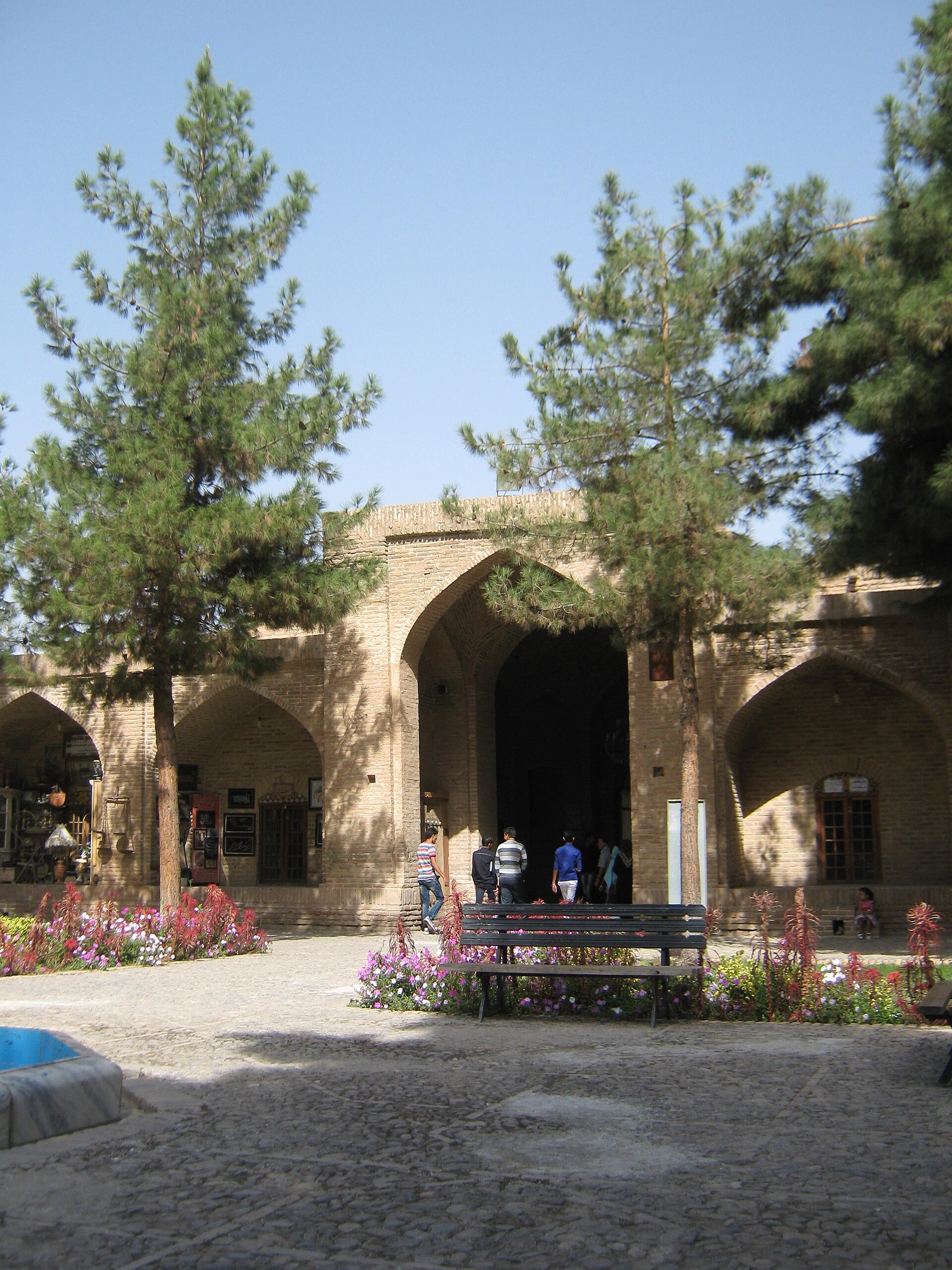
The Silk Road was not a single path, but a sprawling network of routes stretching over 6,400 km (4,000 mi) across Asia, linking China to the Mediterranean. It emerged in the second century BCE as the Han dynasty expanded into Central Asia, driven by the ambitions of the Chinese imperial envoy Zhang Qian. This journey, though fraught with peril, opened the door to a world of exchange, where silk, spices, and ideas moved like rivers through the land.
The name 'Silk Road' was coined in the 19th century by Ferdinand von Richthofen, yet historians debate its accuracy. Some argue that the term overlooks the contributions of nomads and the role of maritime trade. Others suggest that 'Silk Routes' better captures the complexity of the network, which connected not just China and the West, but also India, Iran, and East Africa. The term, however, remains a symbol of cultural and economic exchange.
At its peak, the Silk Road was a lifeline for empires and merchants alike. The Parthian Empire acted as a bridge between East and West, while the Roman Empire sought the riches of the East. By the first century CE, Chinese silk was a coveted luxury in Rome, Egypt, and Greece. Alongside silk, other goods like tea, dyes, and porcelain flowed westward, while horses, camels, and gold moved east. This exchange was not just of goods, but of ideas and traditions that shaped the world.
Yet, the Silk Road was not without its dangers. Travelers faced bandits, harsh landscapes, and the ever-present threat of disease. The Black Death, which ravaged Eurasia in the 14th century, is believed to have spread along these routes. Despite the risks, the Silk Road thrived, connecting people from diverse backgrounds and fostering a unique blend of cultures. It was a highway of not just trade, but of human connection.
The Silk Road’s influence extended far beyond its physical routes. It played a crucial role in the spread of religions, philosophies, and scientific knowledge. Buddhism, for example, traveled from India to China along these paths, while paper and gunpowder changed the course of history. The exchange of ideas was as valuable as the exchange of goods, laying the groundwork for future innovations and discoveries.
More from History

The Morning Bingham Climbed to Machu Picchu
On a cold July morning in 1911, an American historian scrambled up a jungle-choked ridge above the Urubamba River — and by afternoon, a forgotten Inca citadel would belong to the world.

The Last Half-Hour of the Hindenburg
It was already half a day late, and the public had been told to keep away — but at seven o'clock that evening, the Hindenburg finally turned toward its mooring mast for the last time.

The Last Hours of Pompeii: August 24, 79 AD
By noon it was just another hot day beside the Bay of Naples. By evening, an entire mountain had rewritten the fate of thousands.

The Longest Walk: Mandela's Last Steps to Freedom
After 27 years behind bars, a 71-year-old man had to relearn how to walk out of a prison gate — into a waiting world of cameras, crowds, and a country holding its breath.

The Document Lincoln Signed on the First Day of 1863
On a single January morning, a president's pen would change the legal status of more than three million people — if the ink held and his hand did not shake.

The Day of the Dream: August 28, 1963
Two hundred and fifty thousand people converged on the National Mall that morning — by nightfall, one voice from the steps of the Lincoln Memorial would echo for generations.