The Trojan War: A Mythic Legacy
The Trojan War, a tale of gods, heroes, and betrayal, has shaped civilizations for millennia. But was it real, or just a legend? The story begins with a golden apple and Aphrodite's promise.
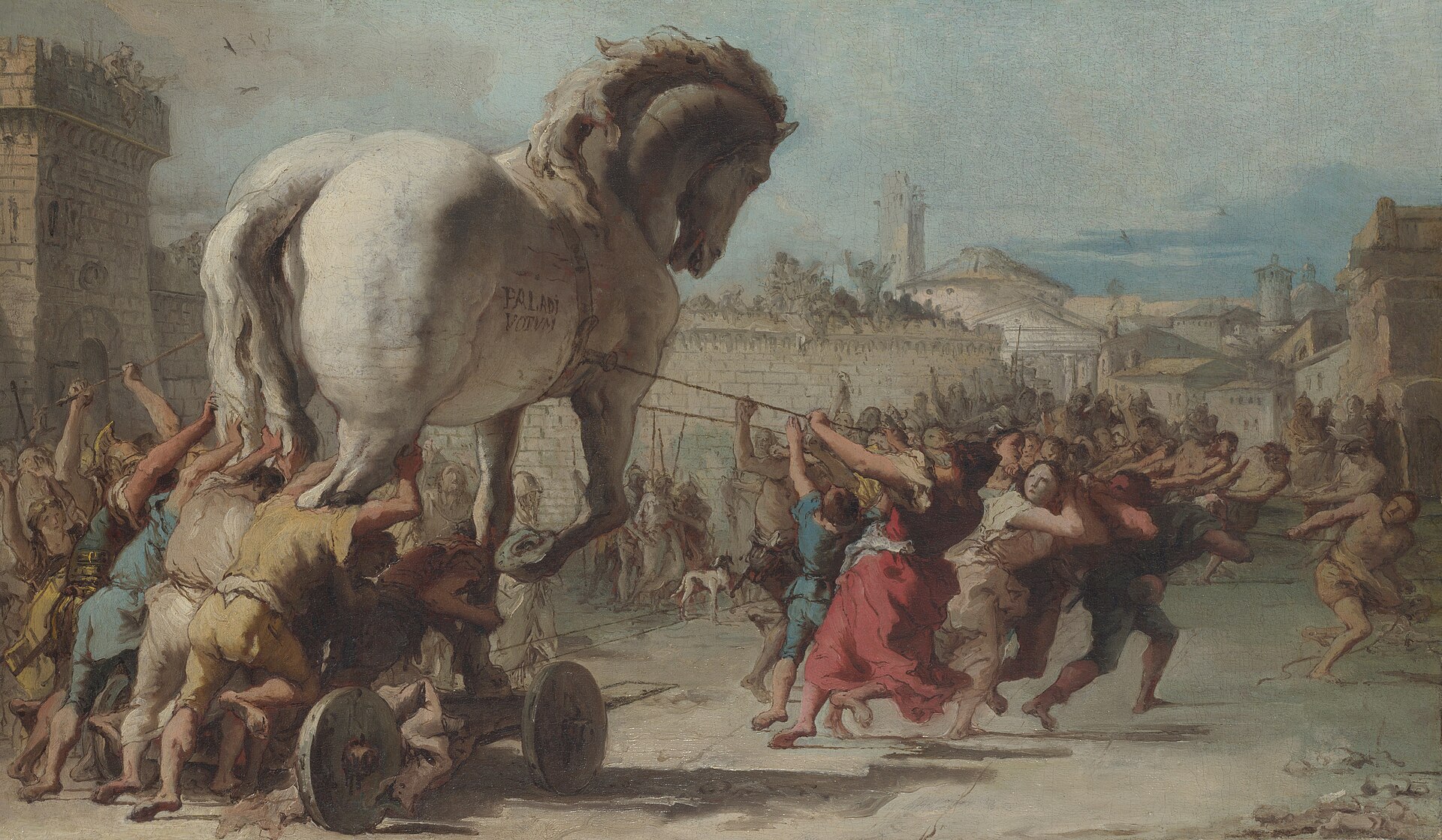
The Trojan War, a legendary conflict in Greek mythology, unfolded around the thirteenth or early twelfth century BC. It was sparked by the theft of Helen, wife of Menelaus, by Paris of Troy. The Greeks, led by Agamemnon, waged a decade-long siege against the city, culminating in the Trojan Horse. This myth, passed through oral tradition, became a cornerstone of Greek literature. Homer's Iliad and Odyssey, composed between the ninth and sixth centuries BC, captured only fragments of the war, yet they shaped its legacy.
The war's origins trace back to a quarrel among the gods. Eris, goddess of discord, arrived at the wedding of Peleus and Thetis with a golden apple, claiming it for the fairest. Hera, Athena, and Aphrodite each vied for it. Paris, a Trojan prince, chose Aphrodite's gift of love, leading to Helen's abduction. This act of betrayal ignited a war that would consume the world of gods and men. The conflict was not just about a woman but about honor, fate, and divine will.
Zeus, king of the gods, had a plan. He envisioned a way to depopulate the earth, fearing too many mortals. The Trojan War, he believed, would accomplish this. Hesiod's account suggests Zeus saw the war as a means to purge the world of demigods, ensuring the gods' separation from humanity. This divine design added a layer of cosmic significance to the conflict, elevating it beyond human ambition.
The war's climax came with the Trojan Horse, a ruse devised by Odysseus. The Greeks hid inside a hollow statue and infiltrated Troy, leading to its fall. The city's destruction was brutal, with temples desecrated and many Trojans slain. Some women and children were taken as slaves, while others fled. The aftermath left few heroes returning home, many instead founding new colonies. The war's end was as much a tragedy as it was a victory.
The ancient Greeks believed Troy was near the Dardanelles, but by the mid-nineteenth century, scholars dismissed it as myth. Heinrich Schliemann's excavations at Hisarlık in modern-day Turkey changed this. His findings, supported by archaeological evidence, confirmed the city's existence, linking it to the legendary war. Yet, the historicity of the Trojan War remains debated, with some scholars seeing a historical core in the Homeric tales.
More from History

The Morning Bingham Climbed to Machu Picchu
On a cold July morning in 1911, an American historian scrambled up a jungle-choked ridge above the Urubamba River — and by afternoon, a forgotten Inca citadel would belong to the world.

The Last Half-Hour of the Hindenburg
It was already half a day late, and the public had been told to keep away — but at seven o'clock that evening, the Hindenburg finally turned toward its mooring mast for the last time.

The Last Hours of Pompeii: August 24, 79 AD
By noon it was just another hot day beside the Bay of Naples. By evening, an entire mountain had rewritten the fate of thousands.

The Longest Walk: Mandela's Last Steps to Freedom
After 27 years behind bars, a 71-year-old man had to relearn how to walk out of a prison gate — into a waiting world of cameras, crowds, and a country holding its breath.

The Document Lincoln Signed on the First Day of 1863
On a single January morning, a president's pen would change the legal status of more than three million people — if the ink held and his hand did not shake.

The Day of the Dream: August 28, 1963
Two hundred and fifty thousand people converged on the National Mall that morning — by nightfall, one voice from the steps of the Lincoln Memorial would echo for generations.