The Unanimous Declaration
In the summer of 1776, as war raged across the colonies, a document was born that would redefine a nation. It was not a battle cry, nor a treaty, but a declaration that would echo through history.
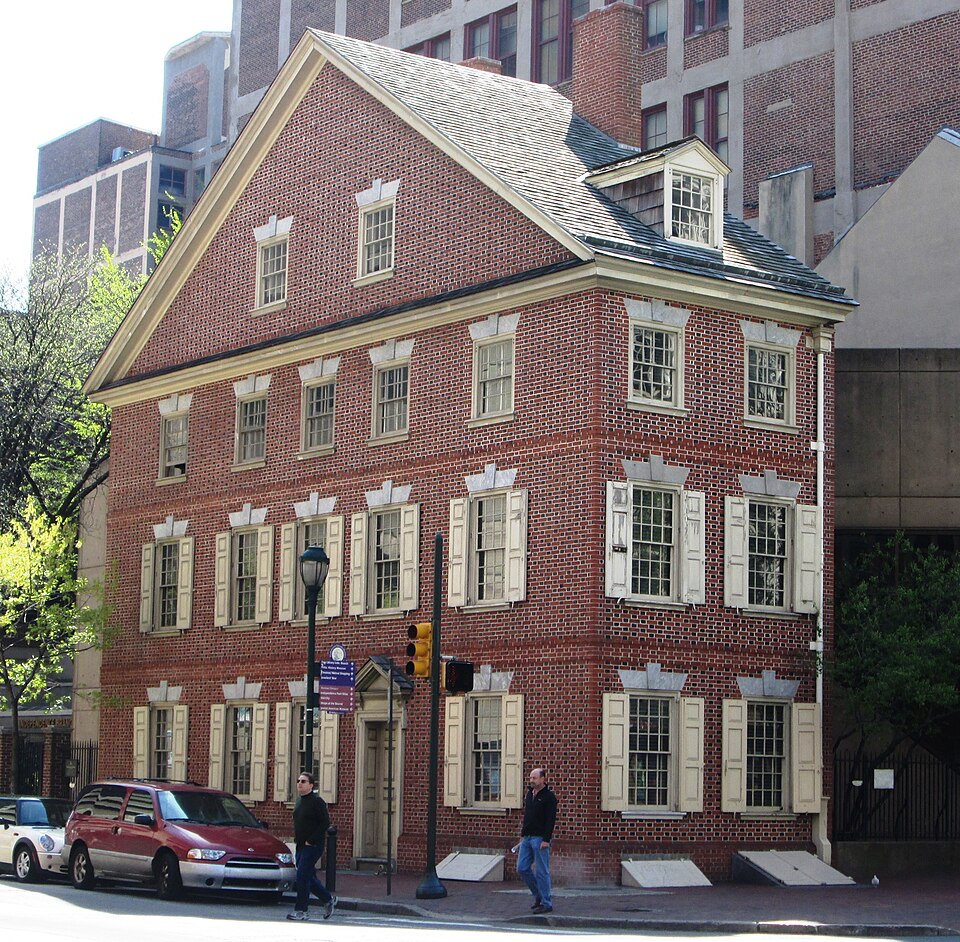
The Declaration of Independence, written in the heat of revolution, was a bold assertion of freedom. It was not merely a statement of independence, but a philosophical argument for self-governance. The thirteen colonies, weary of British rule, sought to justify their break from the Crown. This document, born in the Pennsylvania State House, would become the cornerstone of a new nation.
The road to independence was paved with tension and debate. In 1775, as the American Revolutionary War began, the Second Continental Congress met in Philadelphia. Delegates, representing the colonies, faced a difficult choice: to seek reconciliation or to declare independence. The king, King George III, had already branded them rebels, and the stakes were high.
The drafting of the Declaration was a collaborative effort. In June 1776, Congress appointed the Committee of Five—John Adams, Benjamin Franklin, Thomas Jefferson, Robert R. Livingston, and Roger Sherman—to prepare the document. Adams, a fervent advocate for independence, persuaded the committee to charge Jefferson with writing the original draft, which Congress would later edit. Jefferson's words, filled with passion and principle, would come to shape the ideals of a free people.
As the Declaration was debated, it was clear that the colonies had a shared vision of freedom. The document outlined 27 grievances against the king, emphasizing the colonies' right to self-determination. It was not just about breaking away from Britain, but about establishing a new way of life based on liberty and equality.
The adoption of the Declaration on July 4, 1776, was a momentous occasion. The delegates, knowing they were committing treason, signed their names to a document that would change the course of history. This act of defiance was not just for themselves, but for future generations who would inherit the promise of freedom.
More from History

The Morning Bingham Climbed to Machu Picchu
On a cold July morning in 1911, an American historian scrambled up a jungle-choked ridge above the Urubamba River — and by afternoon, a forgotten Inca citadel would belong to the world.

The Last Half-Hour of the Hindenburg
It was already half a day late, and the public had been told to keep away — but at seven o'clock that evening, the Hindenburg finally turned toward its mooring mast for the last time.

The Last Hours of Pompeii: August 24, 79 AD
By noon it was just another hot day beside the Bay of Naples. By evening, an entire mountain had rewritten the fate of thousands.

The Longest Walk: Mandela's Last Steps to Freedom
After 27 years behind bars, a 71-year-old man had to relearn how to walk out of a prison gate — into a waiting world of cameras, crowds, and a country holding its breath.

The Document Lincoln Signed on the First Day of 1863
On a single January morning, a president's pen would change the legal status of more than three million people — if the ink held and his hand did not shake.

The Day of the Dream: August 28, 1963
Two hundred and fifty thousand people converged on the National Mall that morning — by nightfall, one voice from the steps of the Lincoln Memorial would echo for generations.