The United Nations: A Global Vision for Peace
In the aftermath of World War II, a new vision for global peace emerged, born from the ashes of conflict and the hope for a better world. The United Nations was born from this vision, but its journey has been as complex as the world it seeks to unite.
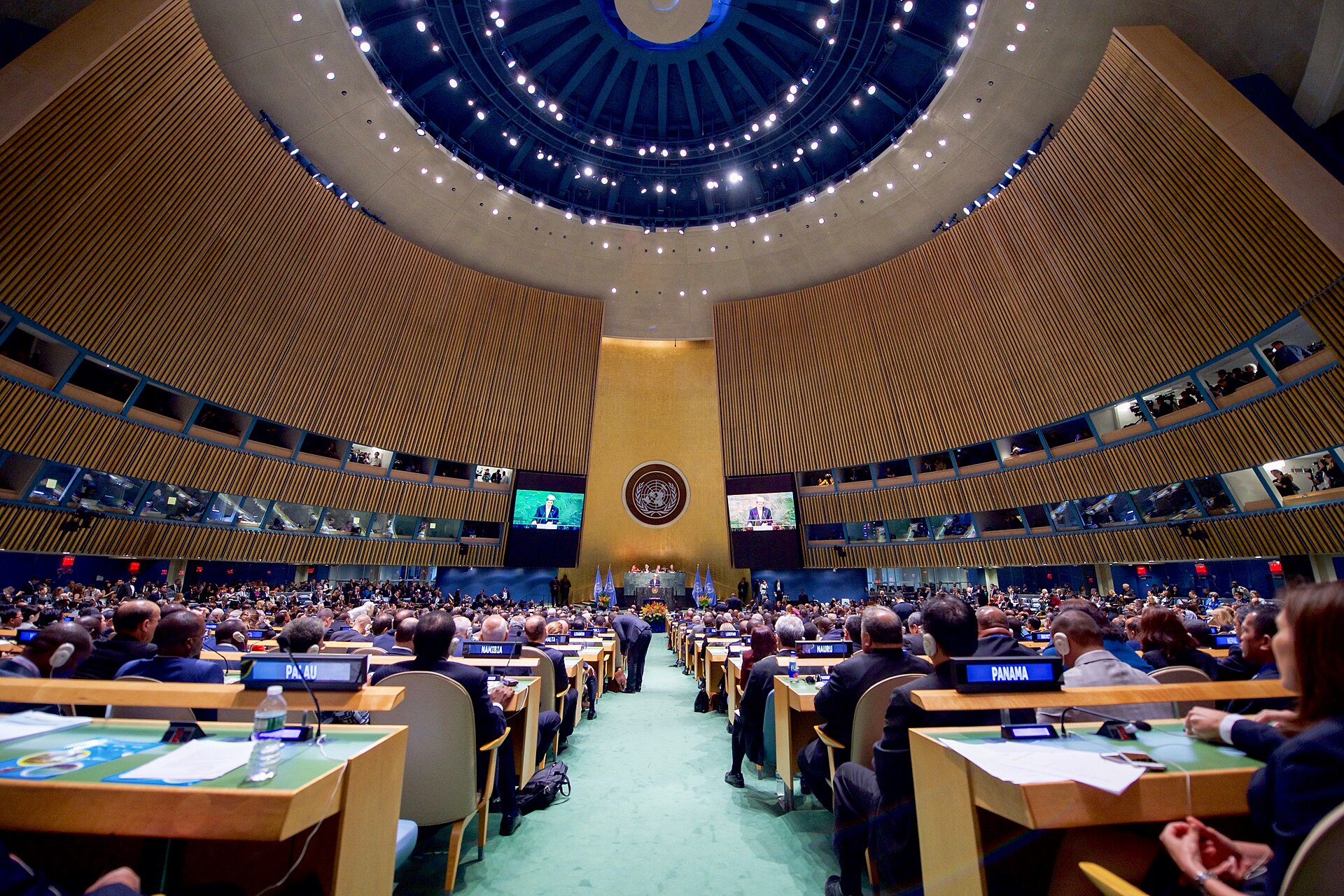
The United Nations was born out of the devastation of World War II, a time when the world yearned for a new order that would prevent future conflicts. The League of Nations, which had failed to stop the rise of aggressive powers, was seen as inadequate. The United Nations was created with the goal of maintaining international peace and security, fostering friendly relations, and promoting cooperation. Its establishment was a response to the failures of the past and a commitment to a more stable world.
The idea for the United Nations took shape during the war, as Allied leaders met to discuss the future of global governance. The Declaration by United Nations, drafted in December 1941 and signed on 1 January 1942, laid the groundwork for a new international organization. This declaration was a pivotal moment, as it brought together nations to commit to a common vision of peace and security. The United Nations was not just a reaction to the war but a proactive step toward a more unified world.
The formation of the United Nations was a collaborative effort, with key leaders like Roosevelt, Churchill, and Stalin playing crucial roles. The Dumbarton Oaks Conference in 1944 was a turning point, where the structure and goals of the new organization were outlined. The Yalta Conference in 1945 further solidified the plan, leading to the San Francisco Conference where the Charter was finalized. This process was marked by negotiations and compromises, reflecting the complexity of uniting a diverse set of nations.
The United Nations officially came into being on 24 October 1945, with the Charter ratified by the five permanent members of the Security Council and a majority of other nations. This marked the beginning of a new era in international relations, where the UN would serve as a platform for dialogue and cooperation. The organization's headquarters in New York City symbolized its global reach, while its offices in Geneva, Nairobi, Vienna, and The Hague underscored its presence around the world.
In the years following its creation, the United Nations focused on economic and social development, particularly during the wave of decolonization. The organization played a significant role in supporting newly independent nations, promoting human rights, and fostering international cooperation. The UN's efforts in peacekeeping missions, such as those in the Middle East and Africa, highlighted its commitment to maintaining global stability. These missions were a testament to the organization's role in addressing conflicts and promoting peace.
More from History

The Morning Bingham Climbed to Machu Picchu
On a cold July morning in 1911, an American historian scrambled up a jungle-choked ridge above the Urubamba River — and by afternoon, a forgotten Inca citadel would belong to the world.

The Last Half-Hour of the Hindenburg
It was already half a day late, and the public had been told to keep away — but at seven o'clock that evening, the Hindenburg finally turned toward its mooring mast for the last time.

The Last Hours of Pompeii: August 24, 79 AD
By noon it was just another hot day beside the Bay of Naples. By evening, an entire mountain had rewritten the fate of thousands.

The Longest Walk: Mandela's Last Steps to Freedom
After 27 years behind bars, a 71-year-old man had to relearn how to walk out of a prison gate — into a waiting world of cameras, crowds, and a country holding its breath.

The Document Lincoln Signed on the First Day of 1863
On a single January morning, a president's pen would change the legal status of more than three million people — if the ink held and his hand did not shake.

The Day of the Dream: August 28, 1963
Two hundred and fifty thousand people converged on the National Mall that morning — by nightfall, one voice from the steps of the Lincoln Memorial would echo for generations.