Verdun: A City of History and War
In the heart of northeastern France, Verdun stands as a city of contradictions—both a place of peace and a symbol of war. Its name echoes through history, but what lies beneath its ancient streets tells a story of resilience, ambition, and sacrifice.
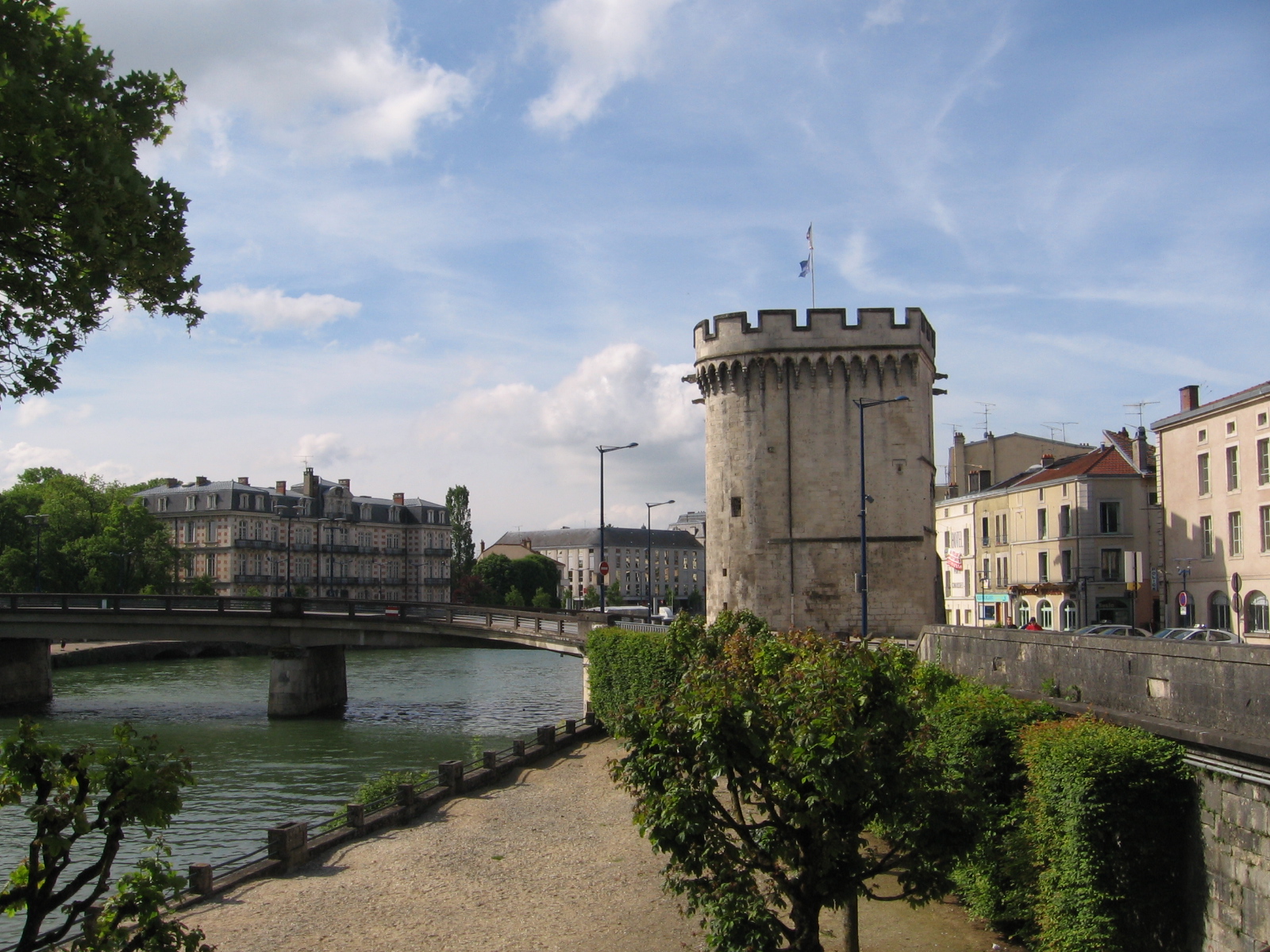
Verdun, located on the banks of the Meuse River, has been a strategic and symbolic location for centuries. Founded by the Gauls, it became a key city and, from the 4th century, the seat of its bishop. Its name, meaning 'strong fort' in Gaulish, reflects its military importance. In 843, the Treaty of Verdun divided Charlemagne's empire among his three surviving grandsons into three kingdoms, an event considered the foundation of France and Germany. This moment marked the city's historical significance, setting the stage for its role in future conflicts.
The city's history is interwoven with the rise and fall of empires. Around the 10th century, a city called Verdun was linked to the trade of young boys sold to the Islamic emirates of Iberia as eunuchs, though scholars dispute whether this Verdun was the one on the Meuse. This dark, uncertain chapter adds depth to its layered identity. As a free imperial city of the Holy Roman Empire from 1374, and as an episcopal principality since the 10th century, Verdun was eventually annexed by France in 1552, a shift recognized formally in 1648 by the Peace of Westphalia. This marked the beginning of its long association with French military strategy and defense.
By the 17th century, Verdun had become a key military site. The construction of a large bastioned citadel between 1624 and 1636, on the site of the Abbey of Saint Vanne, and the fortification plans drawn up by Sébastien Le Prestre de Vauban after his 1670 visit, transformed the city into a formidable stronghold. These defenses were tested during the Franco-Prussian War in 1870, when Verdun was the last French fortress to surrender. The loss led to the construction of a new ring of fortifications—22 polygonal forts up to eight kilometers from the city, with an inner ring of six more—that would later play a central role in the First World War.
The Battle of Verdun in 1792, during the French Revolution, was an earlier trial of the city's defenses. Despite its extensive fortifications, Verdun was captured by Prussian forces on 20 August 1792 during the War of the First Coalition, opening the road to Paris. The Prussians, however, could not press their advantage and abandoned the city after the Battle of Valmy. It was a precursor, more than a century early, to the far more devastating conflict to come.
The First World War brought Verdun to the forefront of global history. The battle that began in 1916 became the longest-lasting of the war and one of the costliest in military history, exemplifying the policy of attrition pursued by both sides. German General Erich von Falkenhayn, chief of the German General Staff, is said to have planned an offensive meant to bleed the French army to death at a position French command would be forced to defend at any cost—though the authenticity of this so-called 'Christmas memorandum' has since been questioned by historians, and Falkenhayn's own commanders denied knowledge of such a strategy.
More from History

The Morning Bingham Climbed to Machu Picchu
On a cold July morning in 1911, an American historian scrambled up a jungle-choked ridge above the Urubamba River — and by afternoon, a forgotten Inca citadel would belong to the world.

The Last Half-Hour of the Hindenburg
It was already half a day late, and the public had been told to keep away — but at seven o'clock that evening, the Hindenburg finally turned toward its mooring mast for the last time.

The Last Hours of Pompeii: August 24, 79 AD
By noon it was just another hot day beside the Bay of Naples. By evening, an entire mountain had rewritten the fate of thousands.

The Longest Walk: Mandela's Last Steps to Freedom
After 27 years behind bars, a 71-year-old man had to relearn how to walk out of a prison gate — into a waiting world of cameras, crowds, and a country holding its breath.

The Document Lincoln Signed on the First Day of 1863
On a single January morning, a president's pen would change the legal status of more than three million people — if the ink held and his hand did not shake.

The Day of the Dream: August 28, 1963
Two hundred and fifty thousand people converged on the National Mall that morning — by nightfall, one voice from the steps of the Lincoln Memorial would echo for generations.