Jutland: The Duel of the Dreadnoughts
For a few hours off the Danish coast, two of the greatest battle fleets ever built found each other in the North Sea fog — and neither would ever seek that fight again.
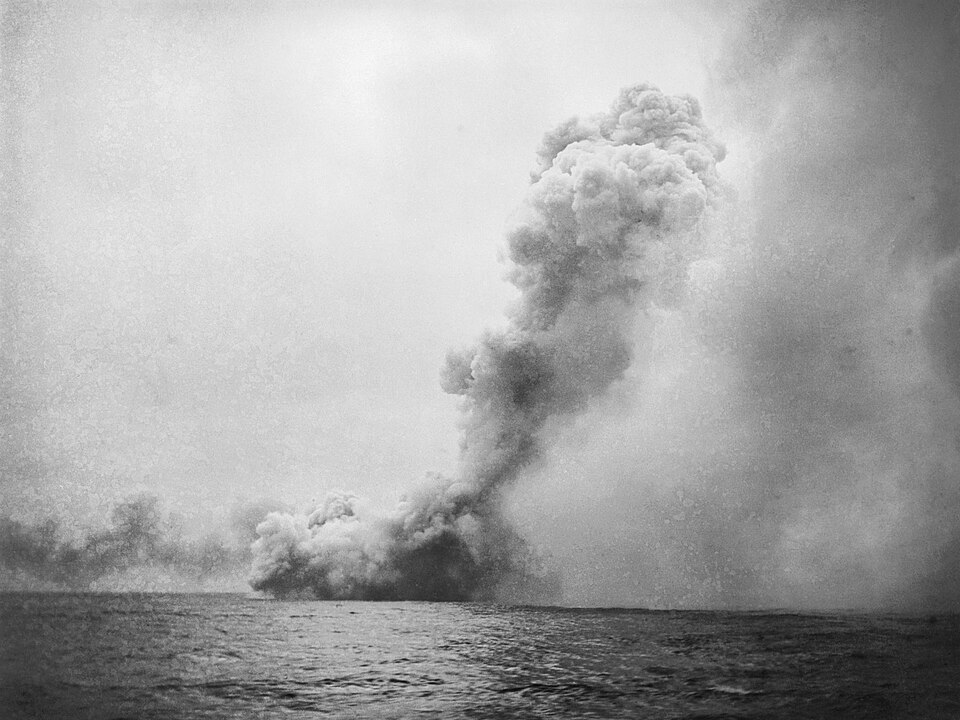
By the spring of 1916, the German High Seas Fleet faced a stark arithmetic problem: sixteen dreadnought battleships against Britain's twenty-eight. A head-on clash could only end in disaster, so Vice-Admiral Reinhard Scheer, who had taken command that January after Admiral von Pohl fell ill, devised a plan of ambush rather than assault. Raids on the English coast, mines, and submarines would whittle down isolated British squadrons until the fleets stood closer to equal — and only then would Germany risk a full engagement.
Scheer's scheme depended on deception. Vice-Admiral Franz Hipper's fast scouting group of five modern battlecruisers was to dangle itself in front of Vice-Admiral Sir David Beatty's battlecruiser squadrons, drawing them south into the guns of the waiting High Seas Fleet. Submarines were stationed along the routes the British ships were expected to take, and the whole design hinged on the Royal Navy sailing into the trap unaware.
But the British had been listening. Intercepted signals told Admiral Sir John Jellicoe that a major German operation was brewing, and on 30 May he sailed the Grand Fleet to rendezvous with Beatty, slipping past the German submarine picket lines before they were even ready. Delays in the German plan compounded the problem, leaving their submarines stretched to the limits of their endurance at sea.
On the afternoon of 31 May, Beatty ran into Hipper's battlecruisers far sooner than the Germans had expected. Hipper managed to lure the British vanguard onward — directly into the path of the main German fleet. By the time Beatty spotted the larger force and turned back, he had already lost two battlecruisers from his force of six battlecruisers and four battleships.
Yet that costly retreat reversed the entire battle. Unaware the High Seas Fleet was even at sea, the British had been drawn into contact — and now it was the Germans being pulled toward Jellicoe's main force. Between 18:30, with the sun low and silhouetting the German ships, and nightfall at 20:30, the two fleets — some 250 ships between them — clashed twice directly in the fading light.
More from History

The Morning Bingham Climbed to Machu Picchu
On a cold July morning in 1911, an American historian scrambled up a jungle-choked ridge above the Urubamba River — and by afternoon, a forgotten Inca citadel would belong to the world.

The Last Half-Hour of the Hindenburg
It was already half a day late, and the public had been told to keep away — but at seven o'clock that evening, the Hindenburg finally turned toward its mooring mast for the last time.

The Last Hours of Pompeii: August 24, 79 AD
By noon it was just another hot day beside the Bay of Naples. By evening, an entire mountain had rewritten the fate of thousands.

The Longest Walk: Mandela's Last Steps to Freedom
After 27 years behind bars, a 71-year-old man had to relearn how to walk out of a prison gate — into a waiting world of cameras, crowds, and a country holding its breath.

The Document Lincoln Signed on the First Day of 1863
On a single January morning, a president's pen would change the legal status of more than three million people — if the ink held and his hand did not shake.

The Day of the Dream: August 28, 1963
Two hundred and fifty thousand people converged on the National Mall that morning — by nightfall, one voice from the steps of the Lincoln Memorial would echo for generations.