The Battle of the Somme: A Bloodbath on the Western Front
The first day of the Battle of the Somme was the bloodiest in British military history. Over 57,000 men were killed or wounded, and the world would never be the same.
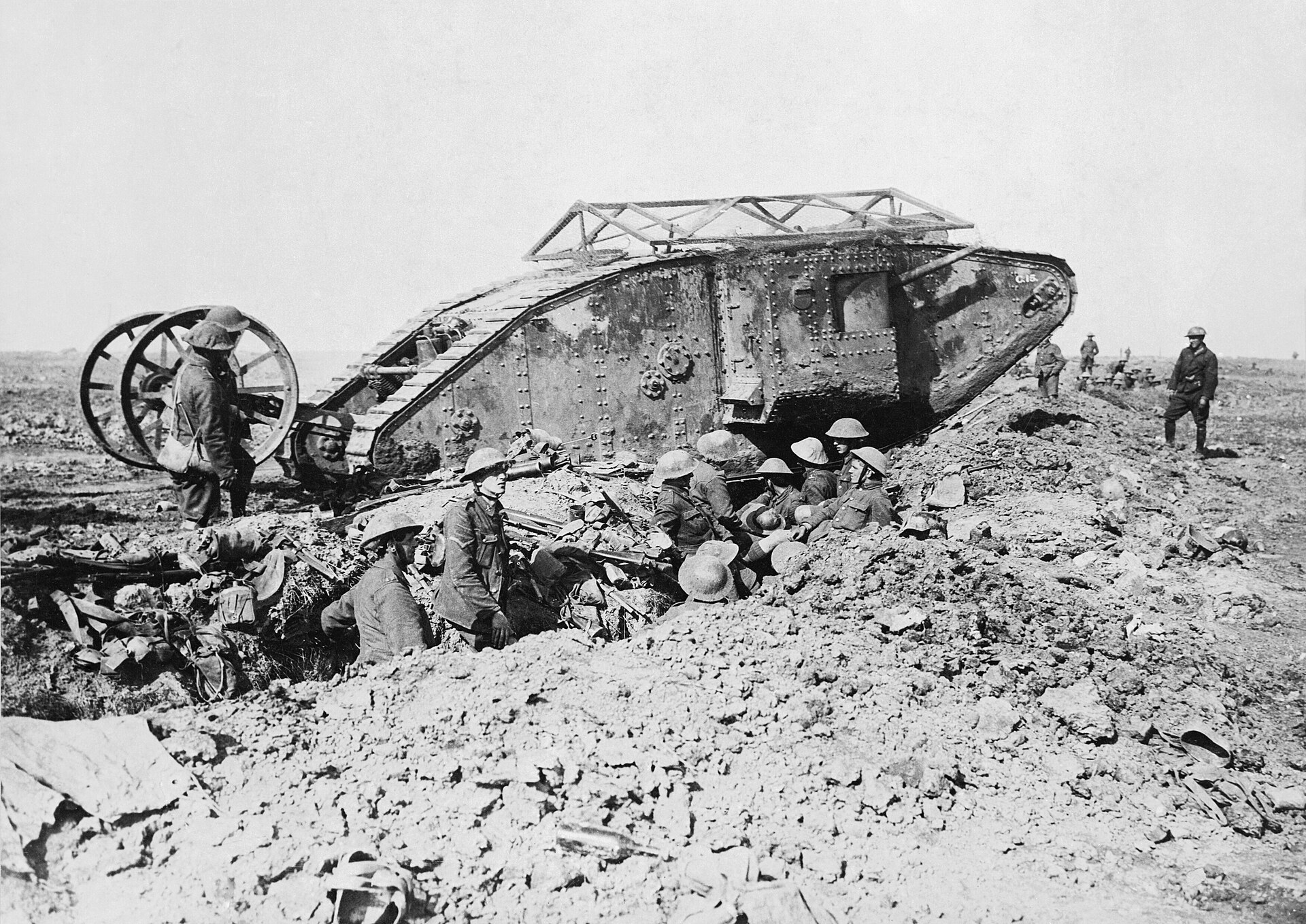
The Battle of the Somme began on 1 July 1916, a day that would mark the beginning of one of the most devastating conflicts of World War I. The Allied forces, comprising the British Empire and the French Republic, launched a massive offensive against the German Empire along the Somme River in France. The goal was to break through the German lines and relieve pressure on the French at Verdun, a battle that had already claimed thousands of lives. The plan was ambitious, but the reality was far more brutal.
The Somme offensive was the result of months of strategic planning, including the Chantilly Conference in December 1915. The Allies agreed to a combined effort against the Central Powers, with the Somme being the Franco-British contribution. However, the German attack on Verdun in February 1916 forced the French to divert many of their divisions, leaving the British to take on a greater role. This shift in strategy would have lasting consequences for the outcome of the battle.
On the first day of the Somme, the British faced a deadly combination of machine guns, artillery, and barbed wire. The attack was launched at dawn, with waves of soldiers advancing across no-man's land. The result was catastrophic—over 57,000 British casualties, including nearly 20,000 killed. The majority of these losses occurred in the area between the Albert–Bapaume road and Gommecourt, where the German defensive effort was strongest. The sheer scale of the destruction shocked the world and set the tone for the battle to come.
The battle was also marked by the introduction of new technologies, such as tanks and air power. Although these innovations were still in their infancy, they played a significant role in the conflict. The first use of tanks on the battlefield in September 1916 was a turning point, though their reliability remained questionable. Meanwhile, air power became increasingly important, with both sides using reconnaissance and bombing to gain tactical advantages.
Despite the heavy losses, the Allies managed to make some progress. By the end of the battle, British and French forces had advanced about 6.2 miles into German-occupied territory, their largest territorial gain since the First Battle of the Marne in 1914. However, the operational objectives of the Anglo-French armies were not met. The Germans held key positions such as Péronne and Bapaume, and the Allies failed to achieve a decisive breakthrough. The battle ended in a stalemate, with both sides suffering immense casualties.
More from History

The Morning Bingham Climbed to Machu Picchu
On a cold July morning in 1911, an American historian scrambled up a jungle-choked ridge above the Urubamba River — and by afternoon, a forgotten Inca citadel would belong to the world.

The Last Half-Hour of the Hindenburg
It was already half a day late, and the public had been told to keep away — but at seven o'clock that evening, the Hindenburg finally turned toward its mooring mast for the last time.

The Last Hours of Pompeii: August 24, 79 AD
By noon it was just another hot day beside the Bay of Naples. By evening, an entire mountain had rewritten the fate of thousands.

The Longest Walk: Mandela's Last Steps to Freedom
After 27 years behind bars, a 71-year-old man had to relearn how to walk out of a prison gate — into a waiting world of cameras, crowds, and a country holding its breath.

The Document Lincoln Signed on the First Day of 1863
On a single January morning, a president's pen would change the legal status of more than three million people — if the ink held and his hand did not shake.

The Day of the Dream: August 28, 1963
Two hundred and fifty thousand people converged on the National Mall that morning — by nightfall, one voice from the steps of the Lincoln Memorial would echo for generations.