The Cuban Missile Crisis: A Moment of Nuclear Peril
In the fall of 1962, the world teetered on the brink of nuclear war. A single miscalculation could have ended everything. Yet, through diplomacy and courage, a tense standoff was averted.
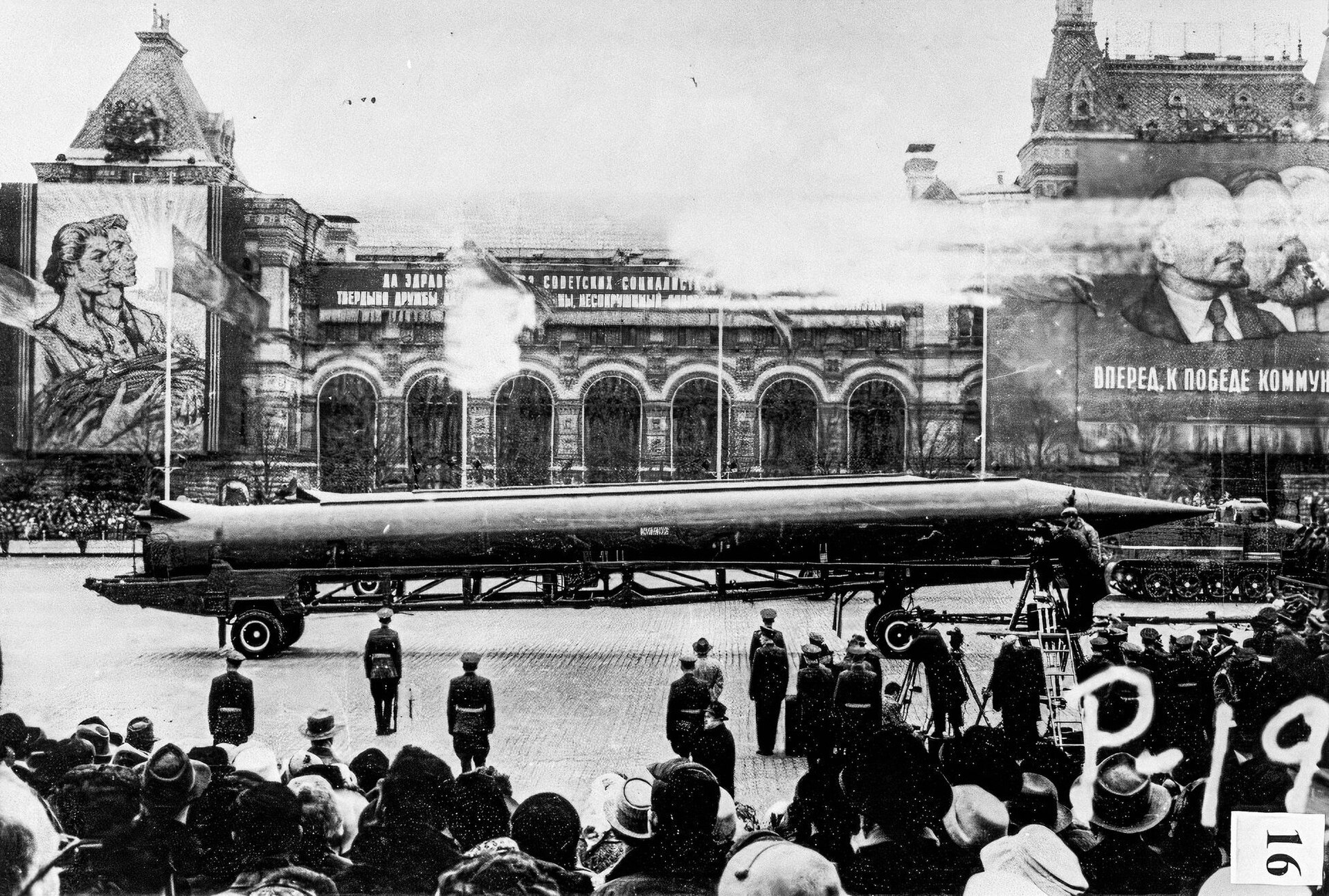
In October 1962, the United States and the Soviet Union stood on the edge of annihilation. The Cuban Missile Crisis, as it became known, was a 13-day confrontation that brought the world to the brink of nuclear war. At its heart was Cuba, a small island nation caught between two superpowers. The Soviets had placed nuclear missiles on Cuban soil, a move that sent shockwaves through the world. The United States, in turn, had its own missiles stationed in Turkey and Italy, a fact that had long been a source of tension. The situation was a direct result of Cold War rivalries and the growing fear of nuclear annihilation.
The crisis began when a U-2 spy plane captured photographic evidence of Soviet missile installations on Cuba. This revelation forced U.S. President John F. Kennedy to act. He convened a group of advisors, forming the Executive Committee of the National Security Council, or EXCOMM. The group debated whether to launch a military strike, invade Cuba, or impose a naval blockade. Kennedy ultimately chose the latter, a decision that would shape the course of history.
The United States responded with a naval blockade, calling it a 'quarantine' to avoid the formal implications of war. This move was both a show of strength and a diplomatic maneuver. Kennedy’s decision to avoid direct confrontation was a calculated risk, one that could have prevented a full-scale war. Yet, the Soviets saw the blockade as a threat and prepared to defend their position. The world watched in horror as the situation escalated, with both sides on the brink of nuclear conflict.
Behind the scenes, a delicate negotiation was taking place. Khrushchev and Kennedy were both aware of the stakes. The Soviets had placed missiles in Cuba to deter a U.S. invasion, a move that had been prompted by fears of a Cuban drift toward China. The U.S., in turn, had its own strategic interests in the region, including its missile deployments in Turkey and Italy. The crisis was not just about Cuba; it was a reflection of the broader Cold War tensions.
As the crisis unfolded, both sides faced internal and external pressures. The Soviet leadership was concerned about its reputation and the potential fallout from a failed confrontation. The United States, meanwhile, faced domestic and international scrutiny over its actions. The world was watching, and the stakes had never been higher. The situation was so volatile that even a single misstep could have led to catastrophic consequences.
More from History

The Morning Bingham Climbed to Machu Picchu
On a cold July morning in 1911, an American historian scrambled up a jungle-choked ridge above the Urubamba River — and by afternoon, a forgotten Inca citadel would belong to the world.

The Last Half-Hour of the Hindenburg
It was already half a day late, and the public had been told to keep away — but at seven o'clock that evening, the Hindenburg finally turned toward its mooring mast for the last time.

The Last Hours of Pompeii: August 24, 79 AD
By noon it was just another hot day beside the Bay of Naples. By evening, an entire mountain had rewritten the fate of thousands.

The Longest Walk: Mandela's Last Steps to Freedom
After 27 years behind bars, a 71-year-old man had to relearn how to walk out of a prison gate — into a waiting world of cameras, crowds, and a country holding its breath.

The Document Lincoln Signed on the First Day of 1863
On a single January morning, a president's pen would change the legal status of more than three million people — if the ink held and his hand did not shake.

The Day of the Dream: August 28, 1963
Two hundred and fifty thousand people converged on the National Mall that morning — by nightfall, one voice from the steps of the Lincoln Memorial would echo for generations.