The Ear That Wasn't Whole
Everyone 'knows' Vincent van Gogh sliced off his entire ear in a fit of madness. The record tells a smaller, sadder story.
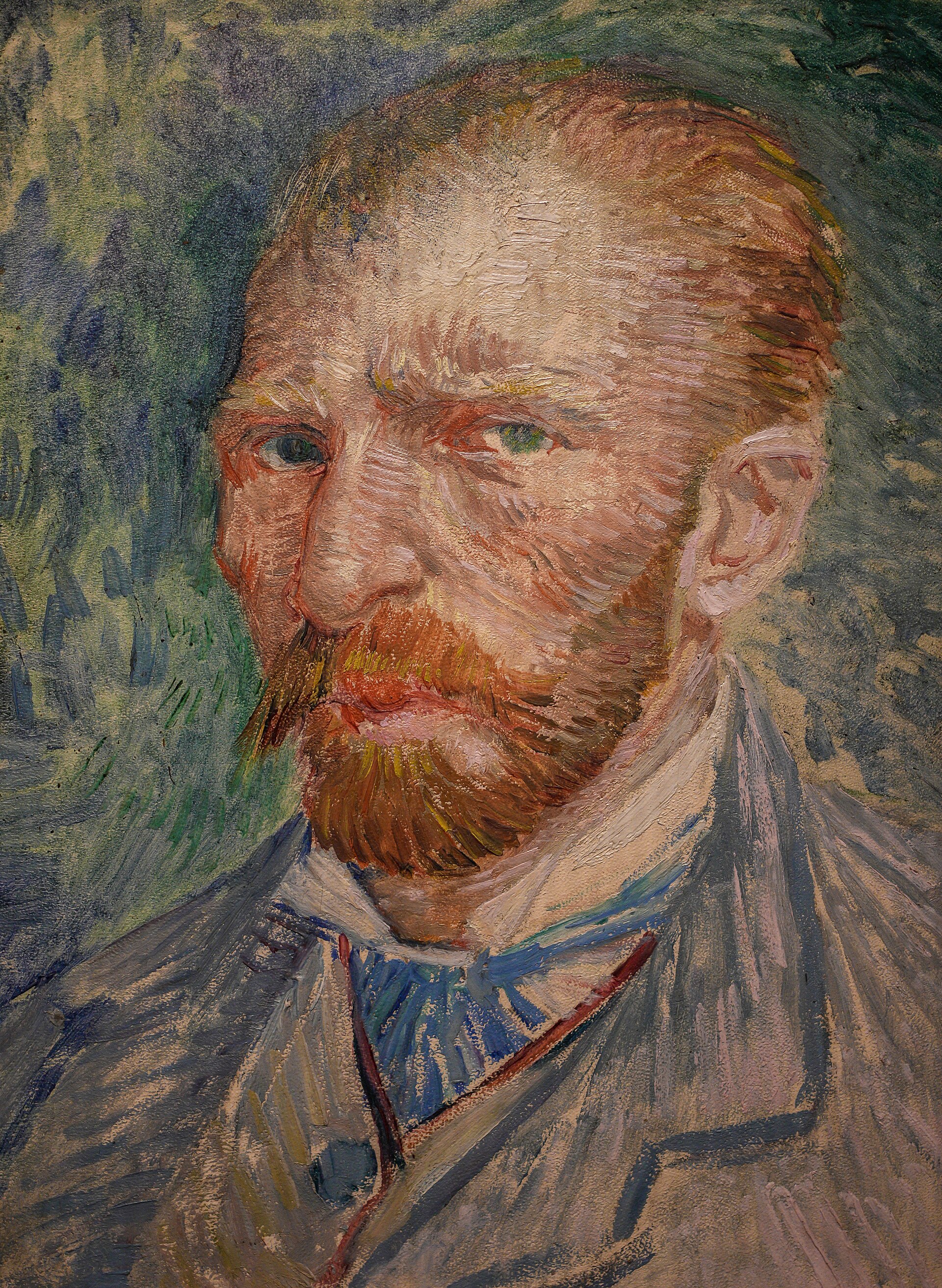
Few images cling to popular memory as stubbornly as the picture of Vincent van Gogh, razor in hand, cutting off his own ear whole and sending it, wrapped, to someone in a nearby town. It's a scene retold in films, jokes, and casual conversation, treated as settled fact about the most famous 'mad genius' in art history. The trouble is that this is a myth — or at least an exaggeration of what actually happened.
What the historical record shows is more specific and less theatrical. In Arles, in the south of France, van Gogh's intense friendship with the painter Paul Gauguin collapsed during a violent confrontation involving a razor. In the rage that followed, van Gogh severed part of his own left ear — not the entire ear, as legend insists, but a portion of it. That detail, part rather than whole, is the crux of the correction: the popular imagination rounded a partial, brutal act of self-harm up into a complete amputation, a cleaner and more grotesque story than the truth.
Why would the story balloon this way? Van Gogh's life was already primed for myth-making. He suffered from psychotic episodes and delusions, worried about his own mental stability, neglected his physical health, ate poorly, and drank heavily. He was, in his own lifetime, considered by most who knew him to be a madman and a failure, having sold only one work. A man already labeled insane, who committed a shocking act of violence against himself, is exactly the kind of figure whose story gets simplified and intensified with each retelling — the specific 'part of the ear' softened over decades into the more dramatic and easier-to-picture 'whole ear.'
The razor incident marked the end of van Gogh's friendship with Gauguin, a bond that had meant a great deal to him during his time developing the bold, saturated style — the olive trees, cypresses, wheat fields, and sunflowers — that would come to define his late work. After the incident, he spent time in psychiatric hospitals, including a period at Saint-Rémy, seeking some stability that continued to elude him.
He eventually discharged himself and moved to the Auberge Ravoux in Auvers-sur-Oise, near Paris, coming under the care of the homoeopathic doctor Paul Gachet. His depression did not lift. On 27 July 1890, van Gogh shot himself in the chest with a revolver; he died of his injuries two days later, at 37.
More from History

The Morning Bingham Climbed to Machu Picchu
On a cold July morning in 1911, an American historian scrambled up a jungle-choked ridge above the Urubamba River — and by afternoon, a forgotten Inca citadel would belong to the world.

The Last Half-Hour of the Hindenburg
It was already half a day late, and the public had been told to keep away — but at seven o'clock that evening, the Hindenburg finally turned toward its mooring mast for the last time.

The Last Hours of Pompeii: August 24, 79 AD
By noon it was just another hot day beside the Bay of Naples. By evening, an entire mountain had rewritten the fate of thousands.

The Longest Walk: Mandela's Last Steps to Freedom
After 27 years behind bars, a 71-year-old man had to relearn how to walk out of a prison gate — into a waiting world of cameras, crowds, and a country holding its breath.

The Document Lincoln Signed on the First Day of 1863
On a single January morning, a president's pen would change the legal status of more than three million people — if the ink held and his hand did not shake.

The Day of the Dream: August 28, 1963
Two hundred and fifty thousand people converged on the National Mall that morning — by nightfall, one voice from the steps of the Lincoln Memorial would echo for generations.