The Empire Built Without Wheels or Writing
They had no iron, no money, no written language — and yet they ruled ten million people across a spine of mountains 4,000 kilometers long. How?
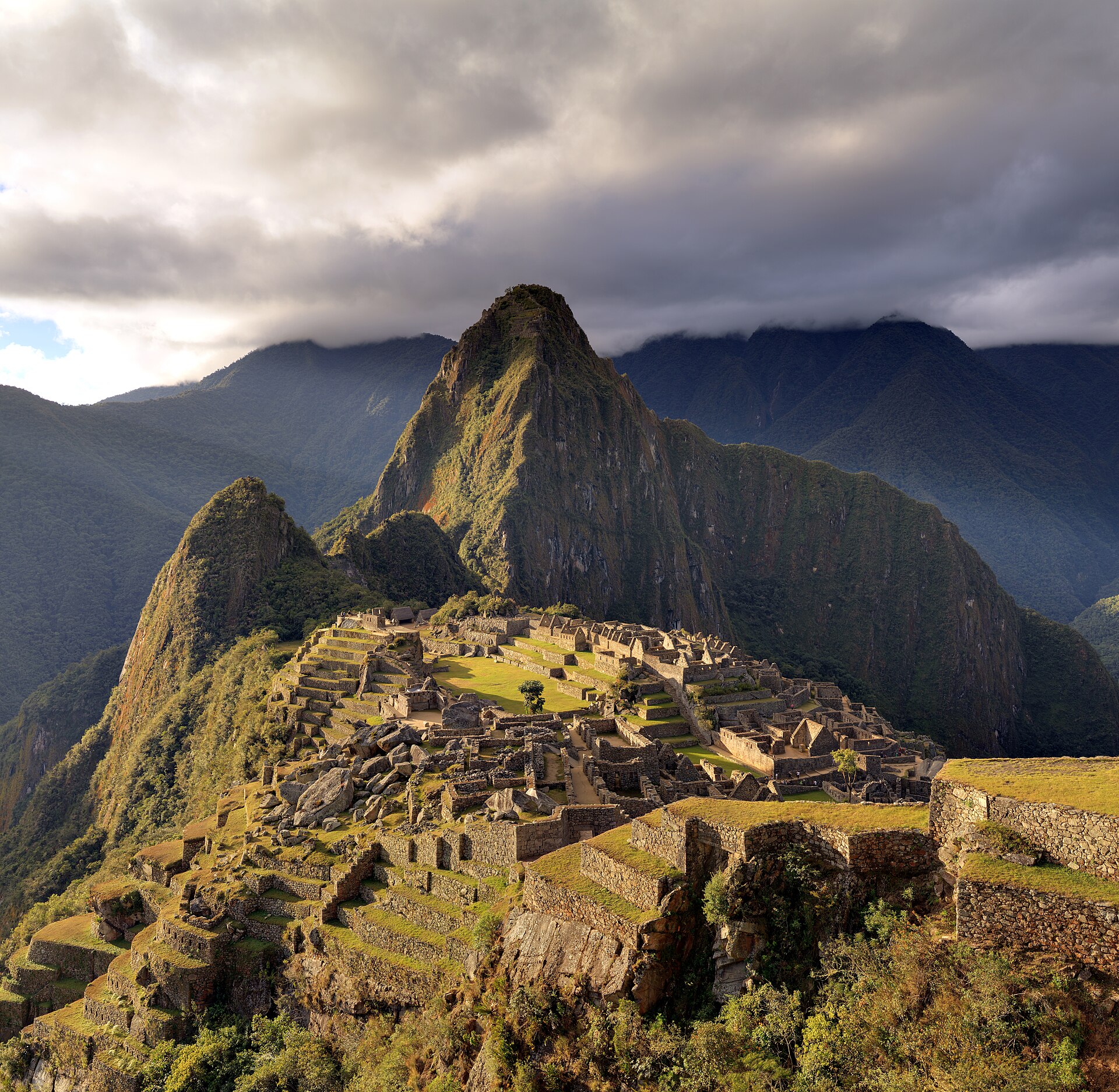
In the high grasslands of the Peruvian Andes known as the puna, a small tribe began to grow sometime in the early thirteenth century. They called their homeland Tawantinsuyu — 'land of the four parts' — and their capital, cradled in a mountain valley, was Cusco. But it was not until 1438 that this tribe's descendants began forging the empire that would become the largest the pre-Columbian Americas had ever seen.
The numbers alone are staggering. Between 1438 and 1533, Inca rule stretched over what is now Peru, western Ecuador, western and south-central Bolivia, northwest Argentina, a sliver of southwestern Colombia, and a huge portion of Chile — a territory comparable to the great empires of Eurasia. Yet the ruling Inca nobility, from whom the empire took its name, likely numbered only 15,000 to 40,000 people. They governed roughly ten million subjects.
What makes this feat almost unbelievable to historians is what the Incas lacked. Anthropologist Gordon McEwan called Tawantinsuyu 'one of the greatest imperial states in human history,' built without the wheel, without draft animals, without iron or steel, and without any system of writing. Instead of scripts, Inca administrators kept records using quipu — knotted strings that encoded information for governance and communication across the realm.
What they built instead was infrastructure of staggering scale: the Qhapaq Ñan, a road network reaching every corner of the empire, monumental stonework architecture, and mountainside terracing that turned brutal Andean slopes into farmland. Finely woven textiles and agricultural innovation allowed a difficult, high-altitude environment to sustain millions.
Stranger still to modern eyes, the Inca economy ran without money and largely without markets. Exchange was built on reciprocity — between individuals, between communities, and between subjects and rulers. What we might call taxation was instead a labor obligation owed to the empire. In return, the Sapa Inca — the emperor, theoretically the owner of all productive land — granted access to land and goods, and threw celebratory feasts for his people.
More from History

The Morning Bingham Climbed to Machu Picchu
On a cold July morning in 1911, an American historian scrambled up a jungle-choked ridge above the Urubamba River — and by afternoon, a forgotten Inca citadel would belong to the world.

The Last Half-Hour of the Hindenburg
It was already half a day late, and the public had been told to keep away — but at seven o'clock that evening, the Hindenburg finally turned toward its mooring mast for the last time.

The Last Hours of Pompeii: August 24, 79 AD
By noon it was just another hot day beside the Bay of Naples. By evening, an entire mountain had rewritten the fate of thousands.

The Longest Walk: Mandela's Last Steps to Freedom
After 27 years behind bars, a 71-year-old man had to relearn how to walk out of a prison gate — into a waiting world of cameras, crowds, and a country holding its breath.

The Document Lincoln Signed on the First Day of 1863
On a single January morning, a president's pen would change the legal status of more than three million people — if the ink held and his hand did not shake.

The Day of the Dream: August 28, 1963
Two hundred and fifty thousand people converged on the National Mall that morning — by nightfall, one voice from the steps of the Lincoln Memorial would echo for generations.